László G. Hayde – författare
2 179 kr
Skickas inom 10-15 vardagar
2 809 kr
Skickas inom 10-15 vardagar
2 515 kr
Läs direkt efter köp
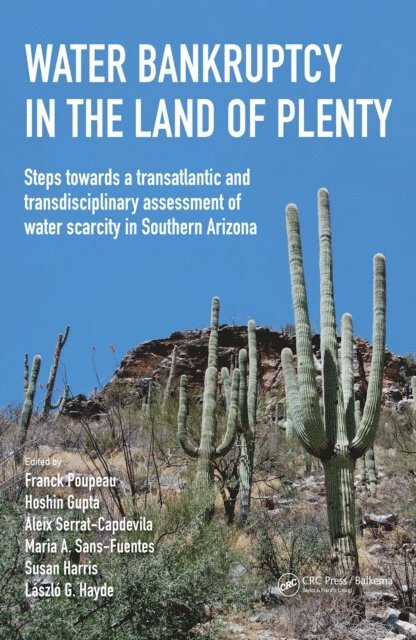
As the American Southwest faces its deepest drought in history, this book explores the provocative notion of “water bankruptcy” with a view towards emphasizing the diversity and complexity of water issues in this region. It bridges between the narratives of growth and the strategies or policies adopted to pursue competing agendas and circumvent the inevitable. A window of opportunity provided by this current long-term drought may be used to induce change by dealing with threats that derive from imbalances between growth patterns and available resources, the primary cause of scarcity.
A first of its kind, this book was developed through close collaboration of a broad range of natural scientists, social scientists, and resource managers from Europe and United States. It constitutes a collective elaboration of a transdisciplinary approach to unveiling the inner workings of how water was fought for, allocated and used in the American Southwest, with a focus on Arizona. Specifically, it offers an innovative scientific perspective that produces a critical diagnostic evaluation of water management, with a particular view to identifying risks for the Tucson region that is facing continuous urban sprawl and economic growth.
2 515 kr
Läs direkt efter köp
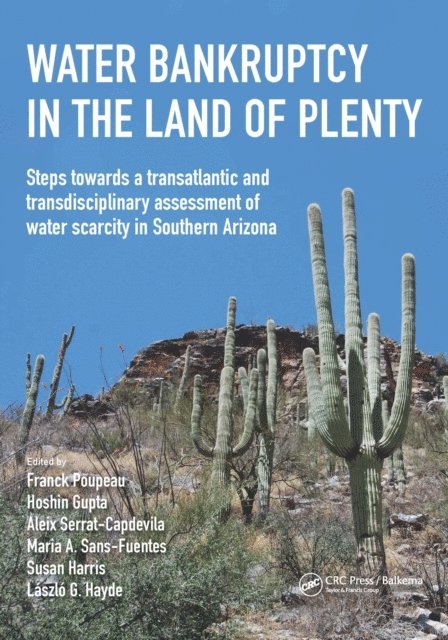
As the American Southwest faces its deepest drought in history, this book explores the provocative notion of “water bankruptcy” with a view towards emphasizing the diversity and complexity of water issues in this region. It bridges between the narratives of growth and the strategies or policies adopted to pursue competing agendas and circumvent the inevitable. A window of opportunity provided by this current long-term drought may be used to induce change by dealing with threats that derive from imbalances between growth patterns and available resources, the primary cause of scarcity.
A first of its kind, this book was developed through close collaboration of a broad range of natural scientists, social scientists, and resource managers from Europe and United States. It constitutes a collective elaboration of a transdisciplinary approach to unveiling the inner workings of how water was fought for, allocated and used in the American Southwest, with a focus on Arizona. Specifically, it offers an innovative scientific perspective that produces a critical diagnostic evaluation of water management, with a particular view to identifying risks for the Tucson region that is facing continuous urban sprawl and economic growth.
1 683 kr
Skickas inom 10-15 vardagar
2 036 kr
Läs direkt efter köp
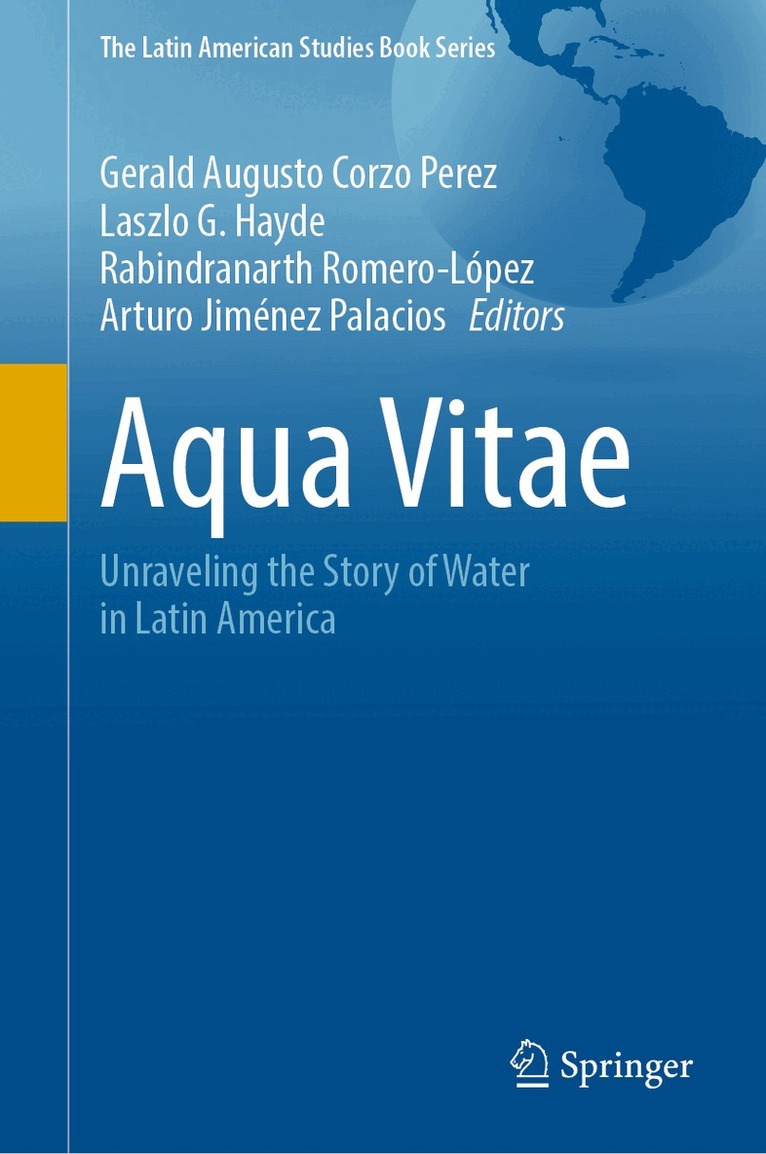
This comprehensive book presents an analytical journey through the relationship between water and Latin American societies, offering an engineering perspective on historical water resource utilization. The book unravels the integral role water has played in the cultural, technological, and socio-economic development of the region, providing a foundational reference for engineers, academics, and researchers.
The book''s exploration into water''s perception and usage throughout history provides key insights into how human activity has impacted water resources and vice versa. It presents a meticulous examination of water as both a natural and cultural phenomenon, identifying its essential role in sustaining life and ecosystems, as well as its potential for causing devastation through disease and natural disasters. We delve into the complexities of water''s role in society, illustrating how it is woven into the fabric of everyday life, religious ceremonies, and global events. The book also underscores the varying significance and implications of water across different regions within Latin America.
The narrative unfolds across three major sections: Technology, Water Management, and Socio-Cultural-Economical Impact. The ''Technology'' section examines the evolution of water-related technologies and their significant socio-economic implications. The ''Water Management'' part offers a holistic perspective on water resource management practices, both historical and contemporary. The final section delves into the societal implications of water use, including conflicts arising from political and economic decisions related to this crucial resource.
Designed for engineers, environmental scientists, and policy-makers, this book provides a unique blend of historical context, technical knowledge, and socio-cultural insights. It offers an invaluable resource for those seeking to understand the interplay between engineering practices, water resources, and societal developments in Latin America. It serves as a springboard for further research and informed decision-making in water resource management and policy, fostering a greater understanding of the myriad ways in which water influences and is influenced by human activity.