
Latife Summerer – författare
Visar alla böcker från författaren . Handla med fri frakt och snabb leverans.
3 produkter
3 produkter
E-bok
PDF, Engelska, 20251 946 kr
Läs direkt efter köp
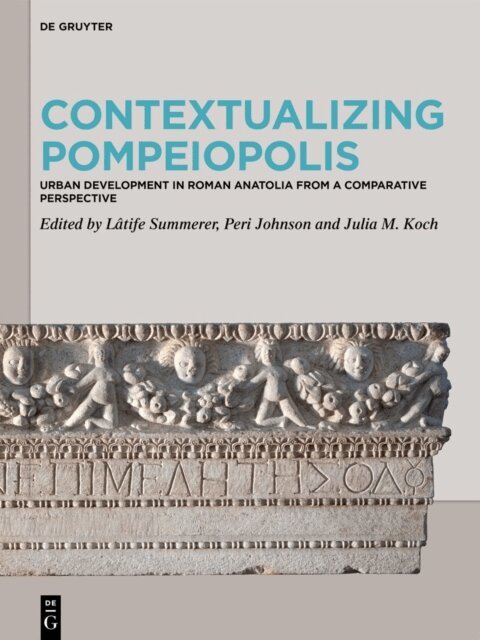
After the Pontic Kingdom's defeat and northern Anatolia's integration into the Roman Empire in 64/63 BCE, the region experienced an urban transformation. The victorious Pompey founded Pompeiopolis as one of seven new cities. This book publishes seminal fieldwork conducted at Pompeiopolis (2006-2016) with comparative studies on Roman cities that lays the groundwork for future research on the development of urban landscapes in the Roman East.
E-bok
Engelska, 20251 946 kr
Läs direkt efter köp
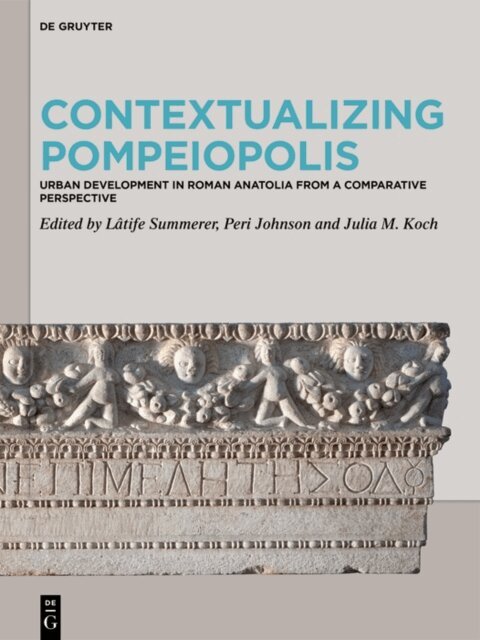
After the Pontic Kingdom's defeat and northern Anatolia's integration into the Roman Empire in 64/63 BCE, the region experienced an urban transformation. The victorious Pompey founded Pompeiopolis as one of seven new cities. This book publishes seminal fieldwork conducted at Pompeiopolis (2006-2016) with comparative studies on Roman cities that lays the groundwork for future research on the development of urban landscapes in the Roman East.
E-bok
PDF, Engelska, 2015764 kr
Läs direkt efter köp
After his victory over Mithradates VI the Roman general Pompey founded a number of cities in order to shape the newly founded Roman province in the inland of the conquered former Pontic kingdom, in the southern Black Sea region. This sparked the beginning of an intense process of urban and rural development peaking in the 2nd century AD and continuing until the Byzantine period, a level of intensity never accomplished in northern Anatolia until today. The reorganization of space through the development of new urban centers affected the whole region and transformed the territory. This volume reviews current knowledge regarding these new founded Roman cities in relation to their territories, necropoleis and sanctuaries. It consists of 18 articles, which explore dynamics in settlement patterns, architecture, urban and mortuary spaces, monetary circulation and epigraphic habit. Some articles present the results of recent field research, others review little known material ripe for new interpretations, while new archaeological data is provided by the reports of rescue excavations carried out by local museums.