Latika Vashist – författare
Visar alla böcker från författaren Latika Vashist. Handla med fri frakt och snabb leverans.
4 produkter
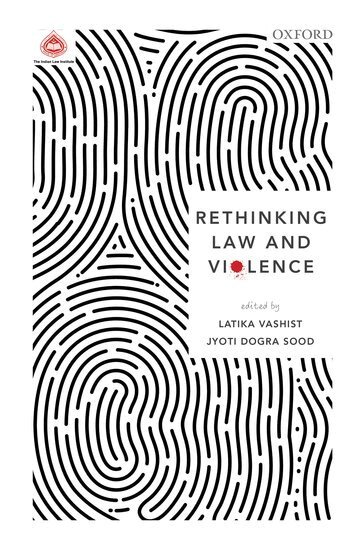
Rethinking Law and Violence
Av Latika Vashist, Jyoti Dogra Sood
Inbunden, 2020
662 kr
Lägg i varukorg
Conceptualized outside the theoretical framing of both liberal as well as critical approaches, this book re-imagines the law by exploring the contradictions and polarities of in terms of its relationship with violence. It encompasses and interweaves themes and ideas as diverse as death penalty, …
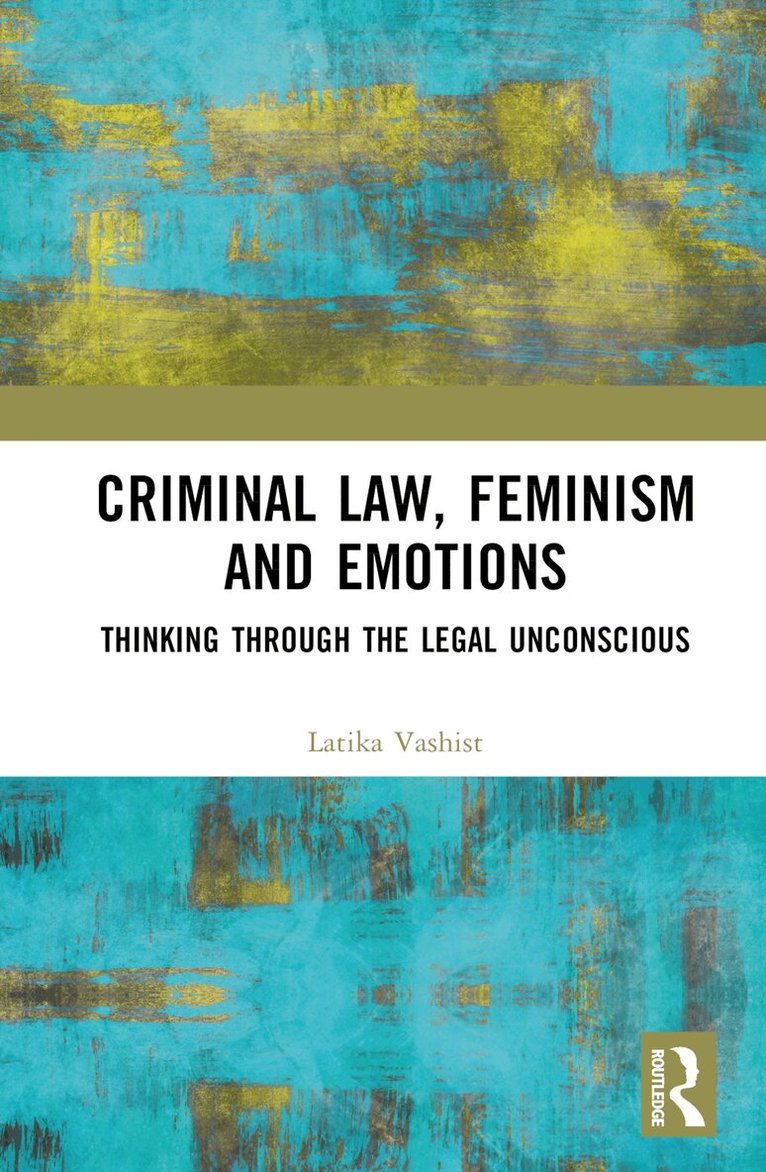
Criminal Law, Feminism and Emotions
Thinking through the Legal Unconscious
Inbunden, 2025
2312 kr
Lägg i varukorg
This book critically engages criminal law issues relating to sexuality and violence in order to argue that an attention to emotions can produce a more nuanced, and more adequate, feminist account of legal subjectivity. Although the relationship between law and feminism has resulted in a vast body …
Criminal Law, Feminism and Emotions
Thinking through the Legal Unconscious
Häftad, 2026
650 kr
Lägg i varukorg
This book critically engages criminal law issues relating to sexuality and violence in order to argue that an attention to emotions can produce a more nuanced, and more adequate, feminist account of legal subjectivity. Although the relationship between law and feminism has resulted in a vast body …
Criminal Law, Feminism and Emotions
Thinking through the Legal Unconscious
E-bok, 2025
748 kr
Lägg i varukorg
This book critically engages criminal law issues relating to sexuality and violence in order to argue that an attention to emotions can produce a more nuanced, and more adequate, feminist account of legal subjectivity. Although the relationship between law and feminism has resulted in a vast body …