Laura Delbrugge – författare
Visar alla böcker från författaren Laura Delbrugge. Handla med fri frakt och snabb leverans.
2 produkter
2 produkter
Del 41 - Medieval and Early Modern Iberian World
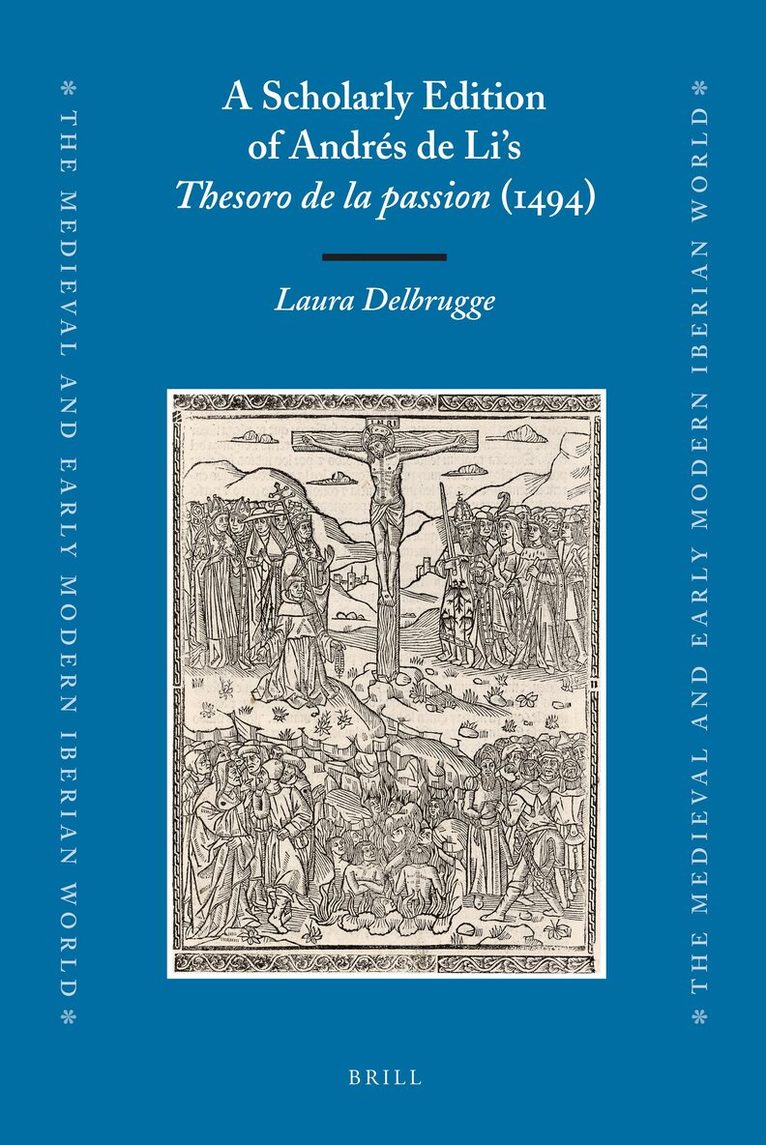
Scholarly Edition of Andrés de Li's Thesoro de la passion (1494)
Inbunden, Engelska, 2011
3 510 kr
Skickas inom 3-6 vardagar
A Scholarly Edition of Andrés de Li’s Thesoro de la passion (1494) is the first new edition of this early Castilian Passion text in five hundred years. Originally published in 1494 by the prolific Zaragozan printer Pablo Hurus, this beautifully illustrated devotional offers the modern reader a glimpse into the complex social world of late fifteenth-century Spain. Li’s converso identity permeates his retelling of the Passion through expositions on hypocrisy, anti-Semitism, and false faith. This new, modernized edition of the Thesoro de la passion dramatically illustrates the unique confluence of social, religious, and cultural forces present during the emergence of Spain’s national identity via analyses of the Thesoro’s Classical, Castilian, and Catalan sources, its importance as an early printed book, Li’s portrayal of the Virgin Mary, Christ, and the Passion events, and the importance of Li’s converso perspectives throughout the work.
Del 59 - Medieval and Early Modern Iberian World
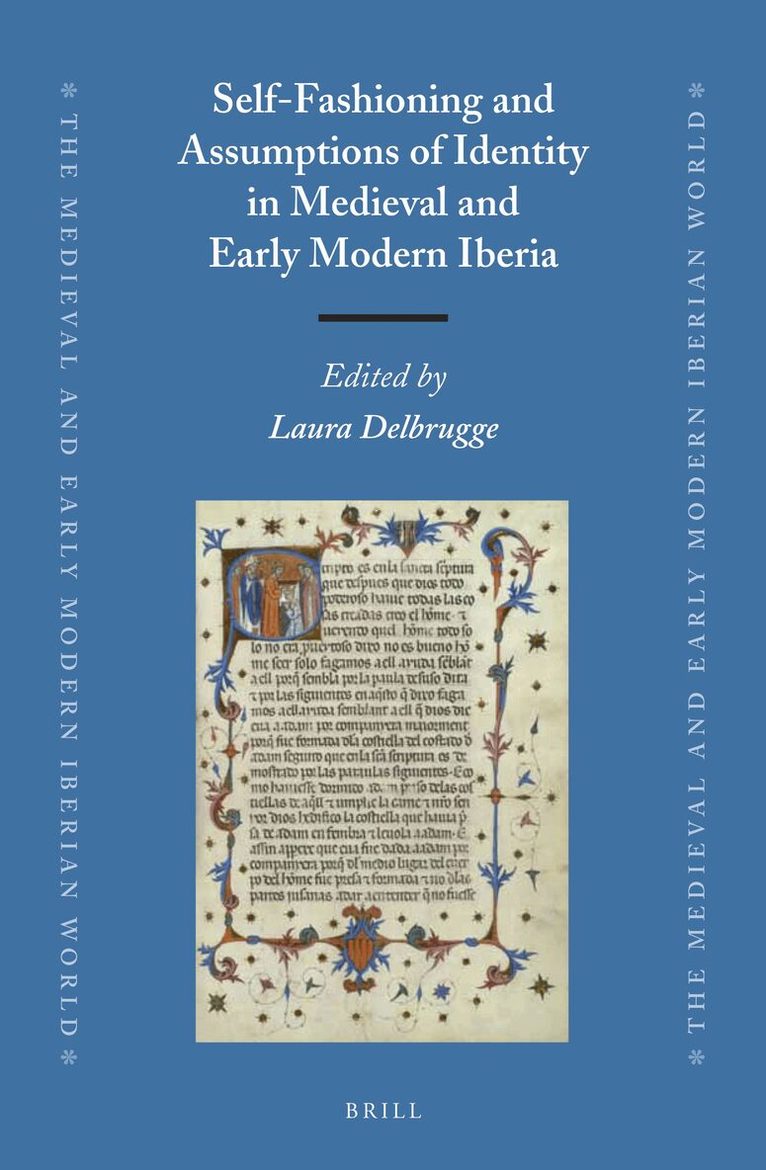
Self-Fashioning and Assumptions of Identity in Medieval and Early Modern Iberia
Inbunden, Engelska, 2015
2 602 kr
Skickas inom 5-8 vardagar
In Self-Fashioning and Assumptions of Identity in Medieval and Early Modern Iberia, editor Laura Delbrugge and contributors Jaume Aurell, David Gugel, Michael Harney, Daniel Hartnett, Mark Johnston, Albert Lloret, Montserrat Piera, Zita Rohr, Núria Silleras-Fernández, Caroline Smith, Wendell P. Smith, and Lesley Twomey explore the applicability of Stephen Greenblatt's self-fashioning theory, framed in Elizabethan England, to medieval and early modern Portugal, Aragon, and Castile. Chapters examine self-fashioning efforts by monarchs, religious converts, nobles, commoners, and clergy in the fourteenth, fifteenth, and sixteenth centuries to establish the presence of self-identity creation in many new contexts beyond that explored in Greenblatt's Renaissance Self-Fashioning, greatly expanding the understanding of self-fashioning on diverse aspects of identity creation in late medieval and early modern Iberia.