Laura Kounine – författare
Visar alla böcker från författaren Laura Kounine. Handla med fri frakt och snabb leverans.
9 produkter
9 produkter
E-bok
PDF, Engelska, 20181 246 kr
Läs direkt efter köp
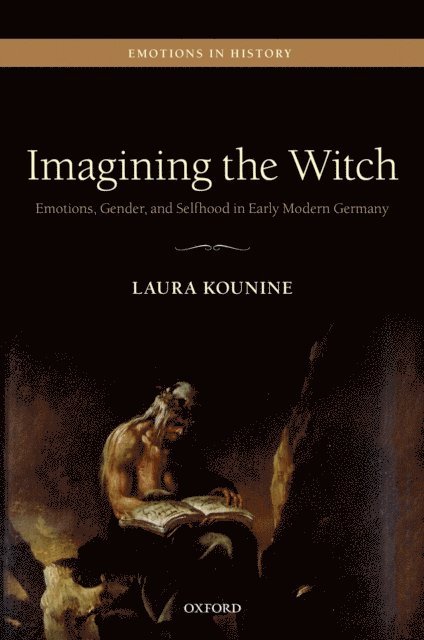
Imagining the Witch explores emotions, gender, and selfhood through the lens of witch-trials in early modern Germany. Witch-trials were clearly a gendered phenomenon, but witchcraft was not a uniquely female crime. While women constituted approximately three quarters of those tried for witchcraft in the Holy Roman Empire, a significant minority were men. Witchcraft was also a crime of unbridled passion: it centred on the notion that one person''s emotionscould have tangible and deadly physical consequences. Yet it is also true that not all suspicions of witchcraft led to a formal accusation, and not all witch-trials led to the stake. Indeed, just over half the total number put on trial for witchcraft in early modern Europe were executed. In order to understandhow early modern people imagined the witch, we must first begin to understand how people understood themselves and each other; this can help us to understand how the witch could be a member of the community, living alongside their accusers, yet inspire such visceral fear.Through an examination of case studies of witch-trials that took place in the early modern Lutheran duchy of Württemberg in southwestern Germany, Laura Kounine examines how the community, church, and the agents of the law sought to identify the witch, and the ways in which ordinary men and women fought for their lives in an attempt to avoid the stake. The study further explores the visual and intellectual imagination of witchcraft in this period in order to piece together why witchcraftcould be aligned with such strong female stereotypes on the one hand, but also be imagined as a crime that could be committed by any human, whether young or old, male or female. By moving beyond stereotypes of the witch, Imagining the Witch argues that understandings of what constituted witchcraft and the''witch'' appear far more contested and unstable than has previously been suggested. It also suggests new ways of thinking about early modern selfhood which moves beyond teleological arguments about the development of the ''modern'' self. Indeed, it is the trial process itself that created the conditions for a diverse range of people to reflect on, and give meaning, to emotions, gender, and the self in early modern Lutheran Germany.
E-bok
Engelska, 20181 246 kr
Läs direkt efter köp
Imagining the Witch explores emotions, gender, and selfhood through the lens of witch-trials in early modern Germany. Witch-trials were clearly a gendered phenomenon, but witchcraft was not a uniquely female crime. While women constituted approximately three quarters of those tried for witchcraft in the Holy Roman Empire, a significant minority were men. Witchcraft was also a crime of unbridled passion: it centred on the notion that one person''s emotionscould have tangible and deadly physical consequences. Yet it is also true that not all suspicions of witchcraft led to a formal accusation, and not all witch-trials led to the stake. Indeed, just over half the total number put on trial for witchcraft in early modern Europe were executed. In order to understandhow early modern people imagined the witch, we must first begin to understand how people understood themselves and each other; this can help us to understand how the witch could be a member of the community, living alongside their accusers, yet inspire such visceral fear.Through an examination of case studies of witch-trials that took place in the early modern Lutheran duchy of Württemberg in southwestern Germany, Laura Kounine examines how the community, church, and the agents of the law sought to identify the witch, and the ways in which ordinary men and women fought for their lives in an attempt to avoid the stake. The study further explores the visual and intellectual imagination of witchcraft in this period in order to piece together why witchcraftcould be aligned with such strong female stereotypes on the one hand, but also be imagined as a crime that could be committed by any human, whether young or old, male or female. By moving beyond stereotypes of the witch, Imagining the Witch argues that understandings of what constituted witchcraft and the''witch'' appear far more contested and unstable than has previously been suggested. It also suggests new ways of thinking about early modern selfhood which moves beyond teleological arguments about the development of the ''modern'' self. Indeed, it is the trial process itself that created the conditions for a diverse range of people to reflect on, and give meaning, to emotions, gender, and the self in early modern Lutheran Germany.
Inbunden, Engelska, 2018
1 136 kr
Skickas inom 5-8 vardagar
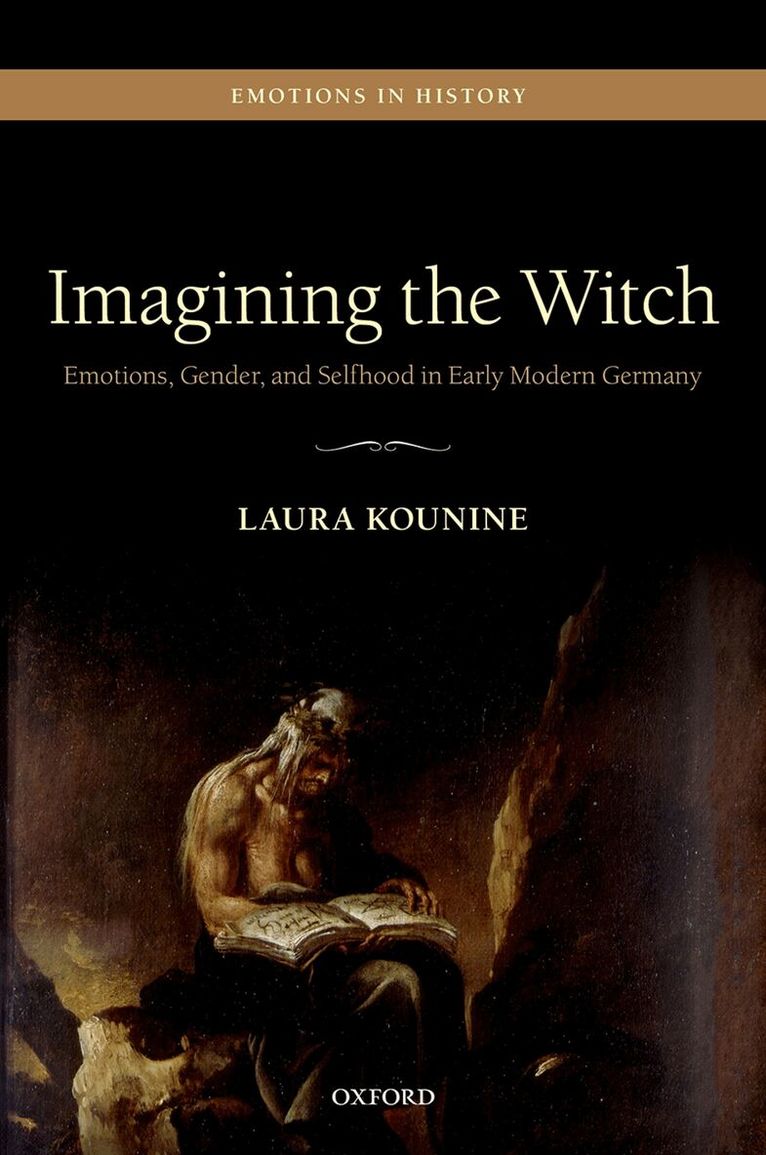
Imagining the Witch explores emotions, gender, and selfhood through the lens of witch-trials in early modern Germany. Witch-trials were clearly a gendered phenomenon, but witchcraft was not a uniquely female crime. While women constituted approximately three quarters of those tried for witchcraft in the Holy Roman Empire, a significant minority were men. Witchcraft was also a crime of unbridled passion: it centred on the notion that one person's emotions could have tangible and deadly physical consequences. Yet it is also true that not all suspicions of witchcraft led to a formal accusation, and not all witch-trials led to the stake. Indeed, just over half the total number put on trial for witchcraft in early modern Europe were executed. In order to understand how early modern people imagined the witch, we must first begin to understand how people understood themselves and each other; this can help us to understand how the witch could be a member of the community, living alongside their accusers, yet inspire such visceral fear. Through an examination of case studies of witch-trials that took place in the early modern Lutheran duchy of Württemberg in southwestern Germany, Laura Kounine examines how the community, church, and the agents of the law sought to identify the witch, and the ways in which ordinary men and women fought for their lives in an attempt to avoid the stake. The study further explores the visual and intellectual imagination of witchcraft in this period in order to piece together why witchcraft could be aligned with such strong female stereotypes on the one hand, but also be imagined as a crime that could be committed by any human, whether young or old, male or female. By moving beyond stereotypes of the witch, Imagining the Witch argues that understandings of what constituted witchcraft and the 'witch' appear far more contested and unstable than has previously been suggested. It also suggests new ways of thinking about early modern selfhood which moves beyond teleological arguments about the development of the 'modern' self. Indeed, it is the trial process itself that created the conditions for a diverse range of people to reflect on, and give meaning, to emotions, gender, and the self in early modern Lutheran Germany.
Häftad, Engelska, 2024
604 kr
Skickas inom 10-15 vardagar
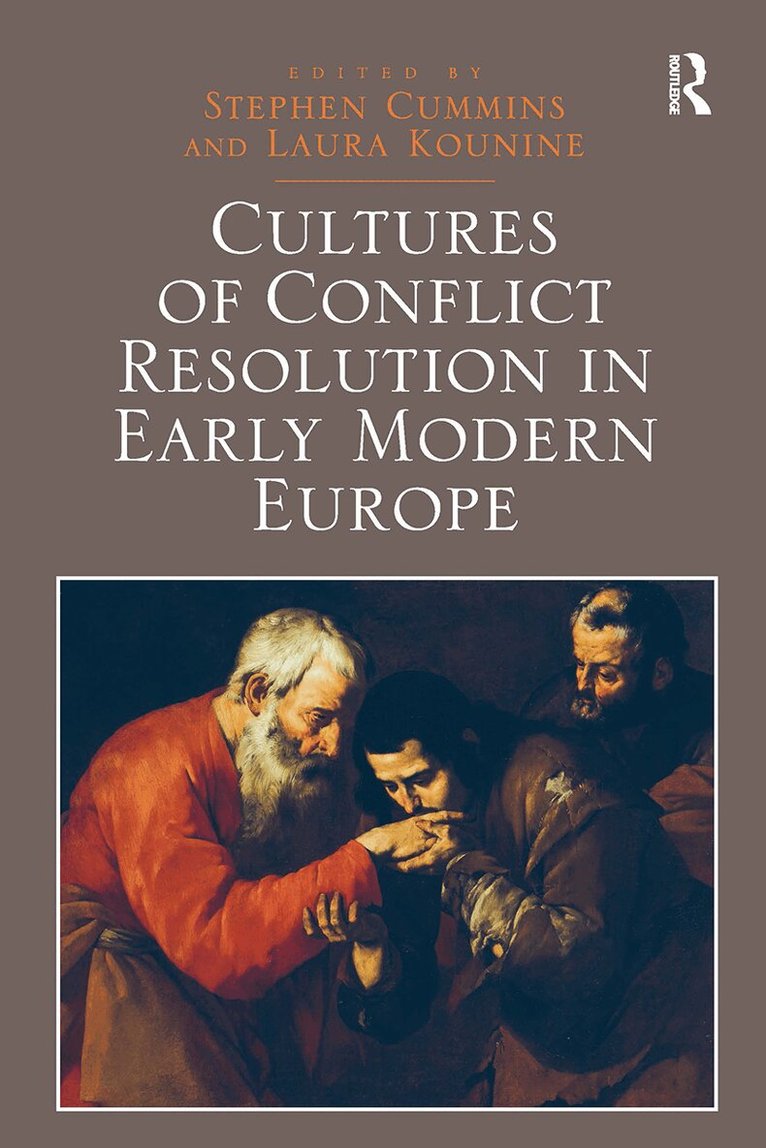
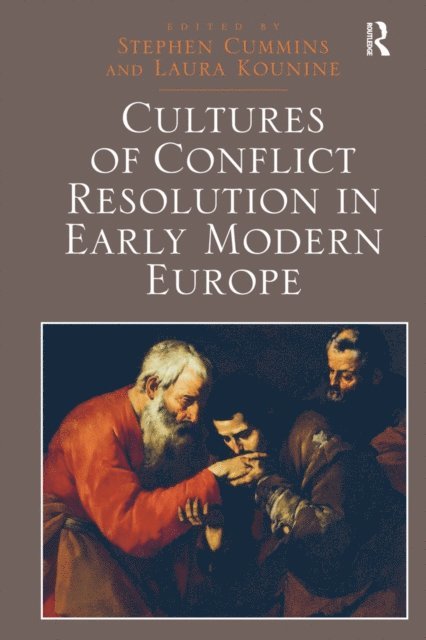
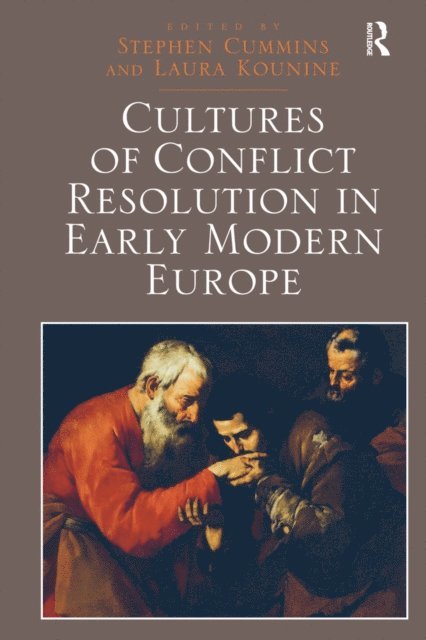
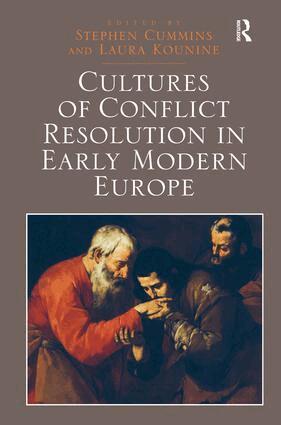
Disputes, discord and reconciliation were fundamental parts of the fabric of communal living in early modern Europe. This edited volume presents essays on the cultural codes of conflict and its resolution in this period under three broad themes: peacemaking as practice; the nature of mediation and arbitration; and the role of criminal law in conflicts. Through an exploration of conflict and peacemaking, this volume provides innovative accounts of state formation, community and religion in the early modern period.
E-bok
PDF, Engelska, 2017710 kr
Läs direkt efter köp
Disputes, discord and reconciliation were fundamental parts of the fabric of communal living in early modern Europe. This edited volume presents essays on the cultural codes of conflict and its resolution in this period under three broad themes: peacemaking as practice; the nature of mediation and arbitration; and the role of criminal law in conflicts. Through an exploration of conflict and peacemaking, this volume provides innovative accounts of state formation, community and religion in the early modern period.
E-bok
Engelska, 2017710 kr
Läs direkt efter köp
Disputes, discord and reconciliation were fundamental parts of the fabric of communal living in early modern Europe. This edited volume presents essays on the cultural codes of conflict and its resolution in this period under three broad themes: peacemaking as practice; the nature of mediation and arbitration; and the role of criminal law in conflicts. Through an exploration of conflict and peacemaking, this volume provides innovative accounts of state formation, community and religion in the early modern period.
Inbunden, Engelska, 2017
1 515 kr
Skickas inom 10-15 vardagar
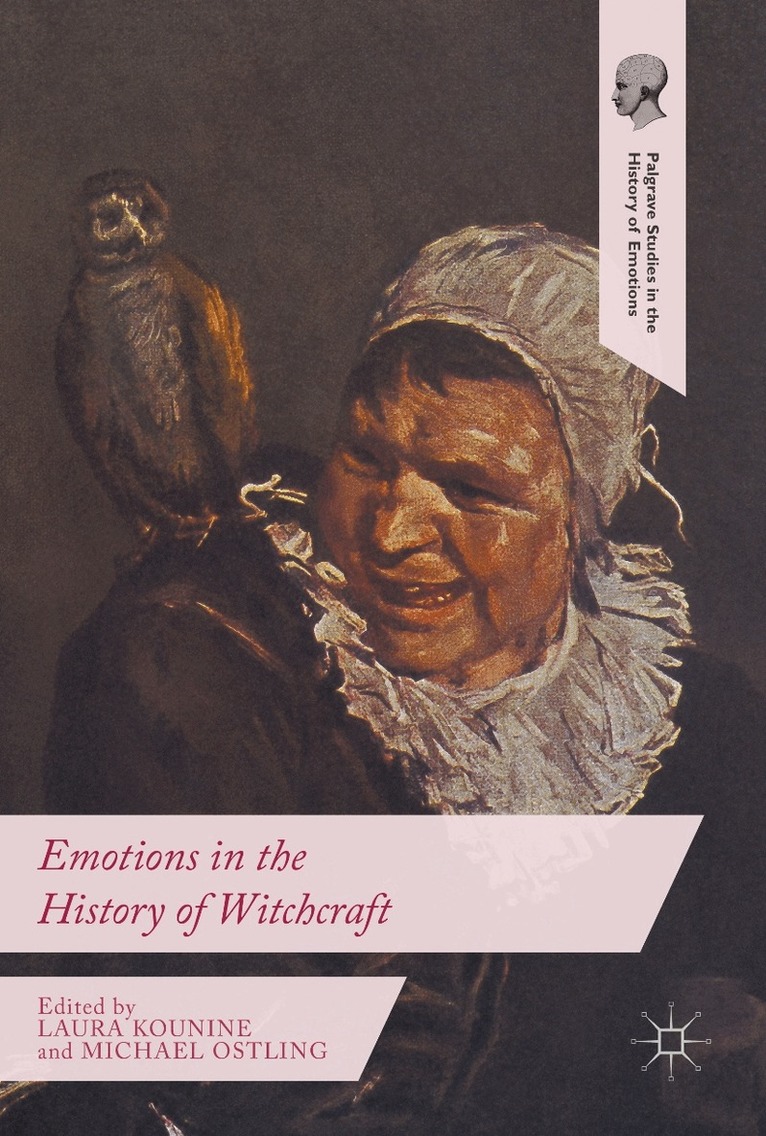
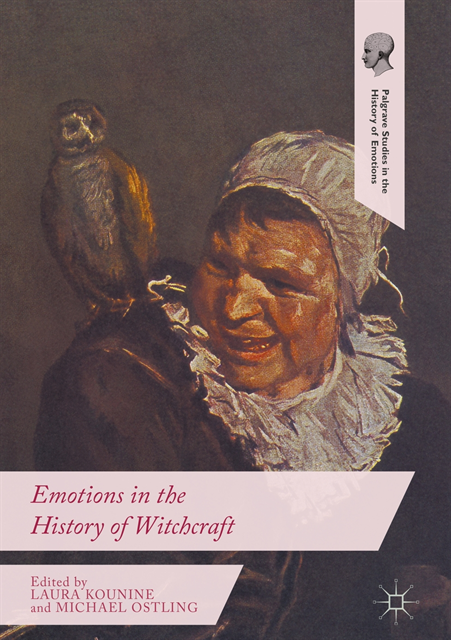
Bringing together leading historians, anthropologists, and religionists, this volume examines the unbridled passions of witchcraft from the Middle Ages to the present. Witchcraft is an intensely emotional crime, rooted in the belief that envy and spite can cause illness or even death. Witch-trials in turn are emotionally driven by the grief of alleged victims and by the fears of magistrates and demonologists. With examples ranging from Russia to New England, Germany to Cameroon, chapters cover the representation of emotional witches in demonology and art; the gendering of witchcraft as female envy or male rage; witchcraft as a form of bullying and witchcraft accusation as a form of therapy; love magic and demon-lovers; and the affective memorialization of the “Burning Times” among contemporary Pagan feminists. Wide-ranging and methodologically diverse, the book is appropriate for scholars of witchcraft, gender, and emotions; for graduate or undergraduate courses, and for the interested general reader.
E-bok
PDF, Engelska, 20171 947 kr
Läs direkt efter köp
Bringing together leading historians, anthropologists, and religionists, this volume examines the unbridled passions of witchcraft from the Middle Ages to the present. Witchcraft is an intensely emotional crime, rooted in the belief that envy and spite can cause illness or even death. Witch-trials in turn are emotionally driven by the grief of alleged victims and by the fears of magistrates and demonologists. With examples ranging from Russia to New England, Germany to Cameroon, chapters cover the representation of emotional witches in demonology and art; the gendering of witchcraft as female envy or male rage; witchcraft as a form of bullying and witchcraft accusation as a form of therapy; love magic and demon-lovers; and the affective memorialization of the “Burning Times” among contemporary Pagan feminists. Wide-ranging and methodologically diverse, the book is appropriate for scholars of witchcraft, gender, and emotions; for graduate or undergraduate courses, and for the interested general reader.
Inbunden, Engelska, 2015
2 409 kr
Skickas inom 10-15 vardagar
Disputes, discord and reconciliation were fundamental parts of the fabric of communal living in early modern Europe. This edited volume presents essays on the cultural codes of conflict and its resolution in this period under three broad themes: peacemaking as practice; the nature of mediation and arbitration; and the role of criminal law in conflicts. Through an exploration of conflict and peacemaking, this volume provides innovative accounts of state formation, community and religion in the early modern period.