Laura Neack - Böcker
Visar alla böcker från författaren Laura Neack. Handla med fri frakt och snabb leverans.
7 produkter
7 produkter
501 kr
Skickas inom 10-15 vardagar
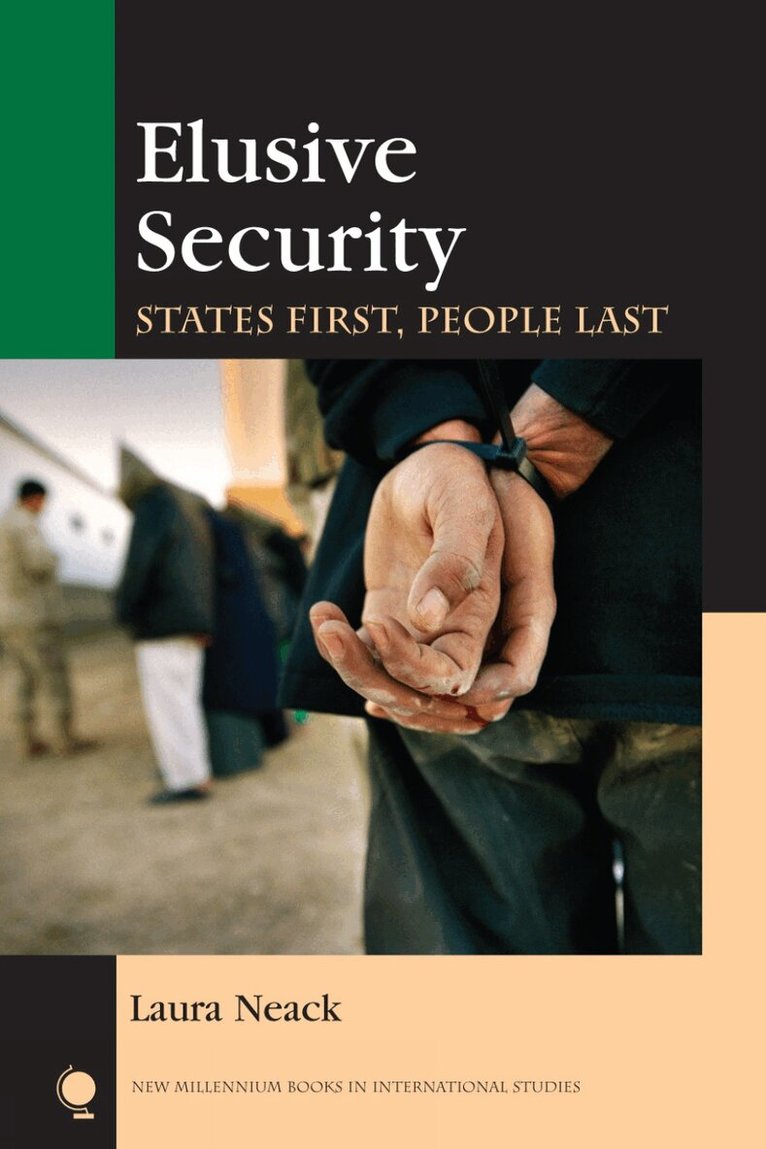
This clear and concise text offers a comprehensive comparison of national, international, and human security concepts and policies. Laura Neack argues that security remains elusive because of a centuries-old ethic insisting that states are the primary and most important international actors, can rely ultimately only on themselves for protection, and must keep all options on the table for national security. The author compellingly demonstrates how a state-first security ethic ultimately fails to secure states, the international community and—most important—human beings. Although security as a concept can be widened to include almost any aspect of existence, Neack focuses especially on security from physical violence, beginning with efforts by states to defend themselves against violent attack. She explores such topics as the internal and external dimensions of security, terrorism, and defending the homeland; threat perception and responses; preemptive and preventive wars; and other military interventions. Next, Neack examines efforts over the past century to protect states through the construction of the United Nations international security system and how collective security, peacekeeping, and peace enforcement have been used in that system. Throughout, Neack shows that human security has only mattered in terms of servicing the state's security needs, a critique she takes up directly in the final chapters. A range of short and extended case studies are offered to illustrate the conceptual materials and policy debates over security. In this state-first world, we only can choose between degrees of insecurity; true security remains elusive.
1 476 kr
Skickas inom 10-15 vardagar
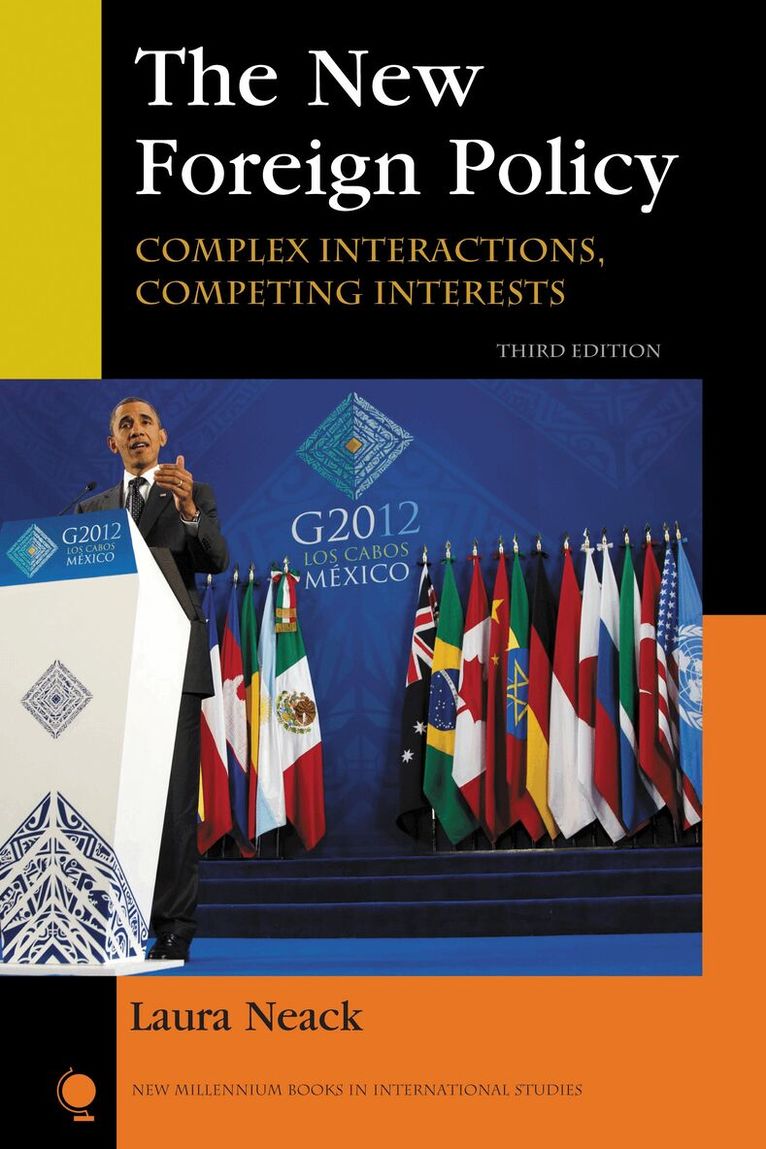
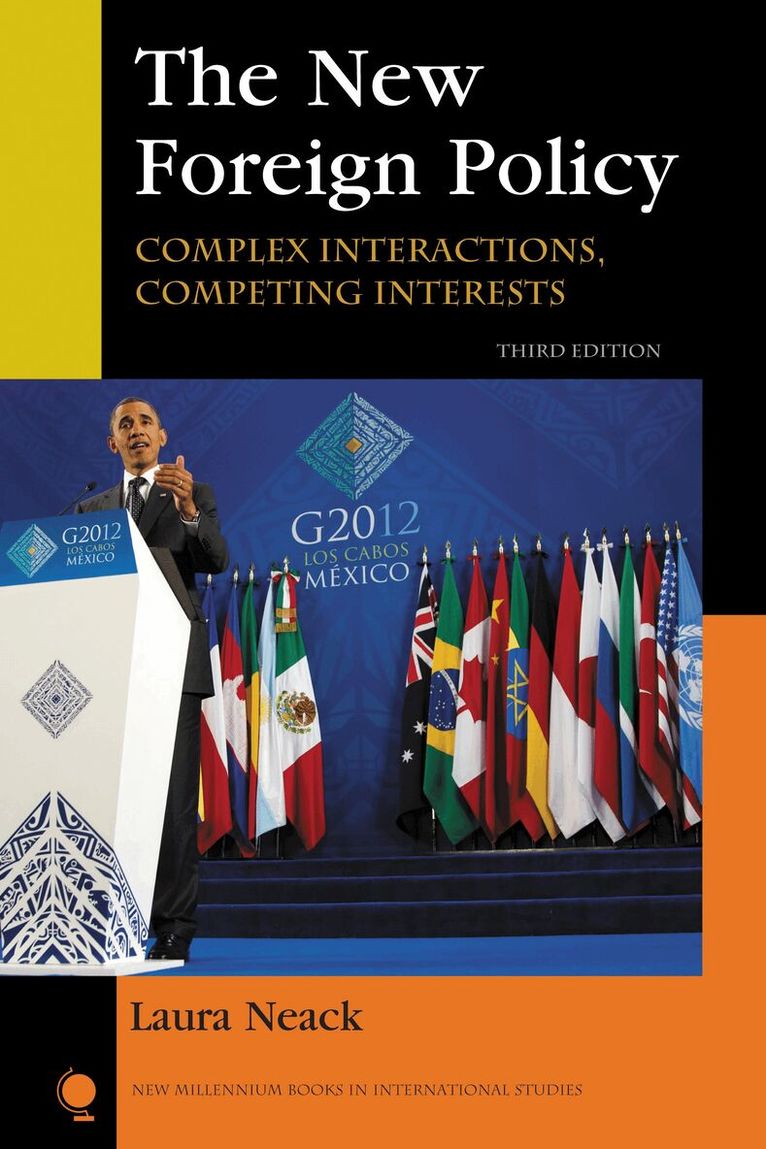
Integrating theory and case studies, this cogent text explores the processes and factors that shape foreign policy. In her thoroughly revised and updated edition, Laura Neack considers both old and new lessons, drawing on a rich array of real foreign policy choices and outcomes. In new cases, Neack explores decision making in the Eurozone crisis, increasing nationalism in Germany and Japan and what seems to be growing bellicosity among Canadians, Obama’s grand strategy and the responses of rising powers Brazil and India, and the Egyptian youth revolution. Following a levels-of-analysis organization, the author considers all elements that influence foreign policy, including the role of leaders, bargaining, national image, political culture, public opinion, the media, and nonstate actors.
471 kr
Skickas
Integrating theory and case studies, this cogent text explores the processes and factors that shape foreign policy. In her thoroughly revised and updated edition, Laura Neack considers both old and new lessons, drawing on a rich array of real foreign policy choices and outcomes. In new cases, Neack explores decision making in the Eurozone crisis, increasing nationalism in Germany and Japan and what seems to be growing bellicosity among Canadians, Obama’s grand strategy and the responses of rising powers Brazil and India, and the Egyptian youth revolution. Following a levels-of-analysis organization, the author considers all elements that influence foreign policy, including the role of leaders, bargaining, national image, political culture, public opinion, the media, and nonstate actors.
1 349 kr
Skickas inom 10-15 vardagar
What is foreign policy? What do we know about why states pursue certain foreign policies and not others? What factors go into the shaping of foreign policy? Studying Foreign Policy Comparatively, Fourth Edition (formerly titled The New Foreign Policy), answers these questions, and more, by exploring how scholars analyze foreign policy and by applying this knowledge to new foreign policy cases.Benefits of the fourth edition:Every chapter is devoted to a distinct level in the levels-of-analysis approachProvides easy-to-understand explanations and demonstrations of policy models and theoriesA mixture of current and historical cases from around the world extends students’ knowledge of foreign policy and understanding of contemporary problemsNew cases include the refugee crisis in Europe, rising populism and anti-immigrant coalition governments, Russian use of media, and China’s Belt and Road Initiative
570 kr
Skickas inom 10-15 vardagar
What is foreign policy? What do we know about why states pursue certain foreign policies and not others? What factors go into the shaping of foreign policy? Studying Foreign Policy Comparatively, Fourth Edition (formerly titled The New Foreign Policy), answers these questions, and more, by exploring how scholars analyze foreign policy and by applying this knowledge to new foreign policy cases.Benefits of the fourth edition:Every chapter is devoted to a distinct level in the levels-of-analysis approachProvides easy-to-understand explanations and demonstrations of policy models and theoriesA mixture of current and historical cases from around the world extends students’ knowledge of foreign policy and understanding of contemporary problemsNew cases include the refugee crisis in Europe, rising populism and anti-immigrant coalition governments, Russian use of media, and China’s Belt and Road Initiative
1 009 kr
Skickas inom 10-15 vardagar
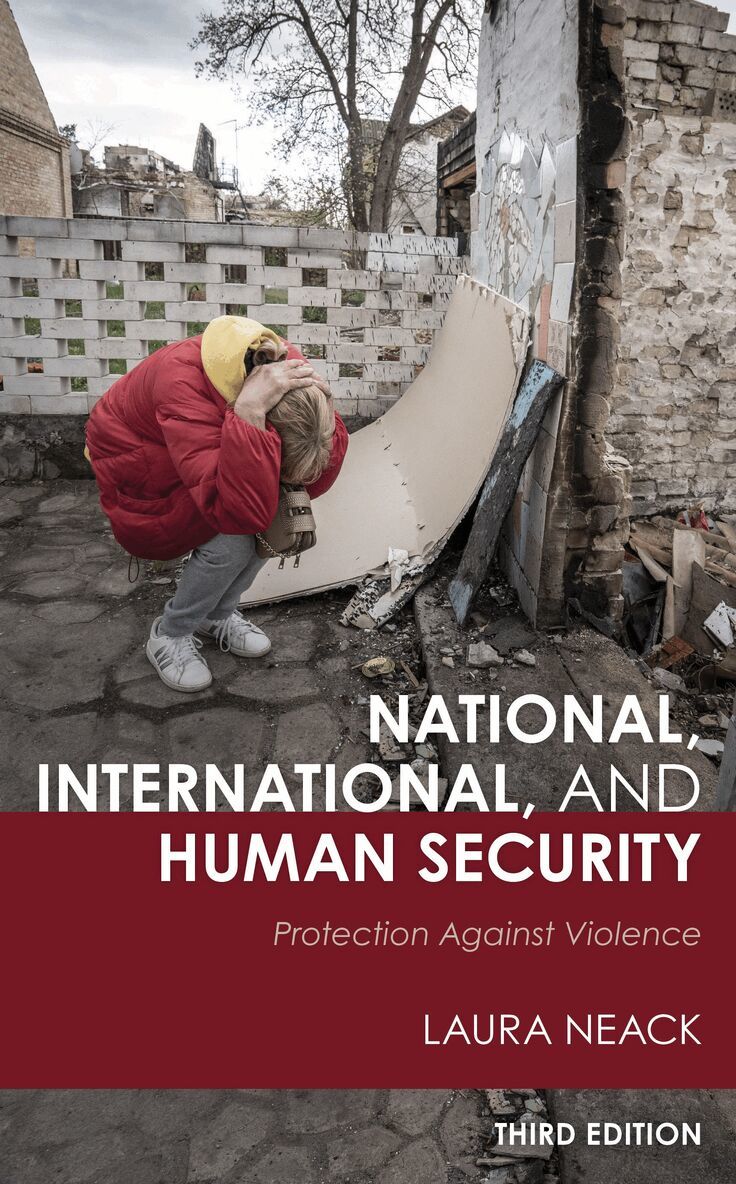
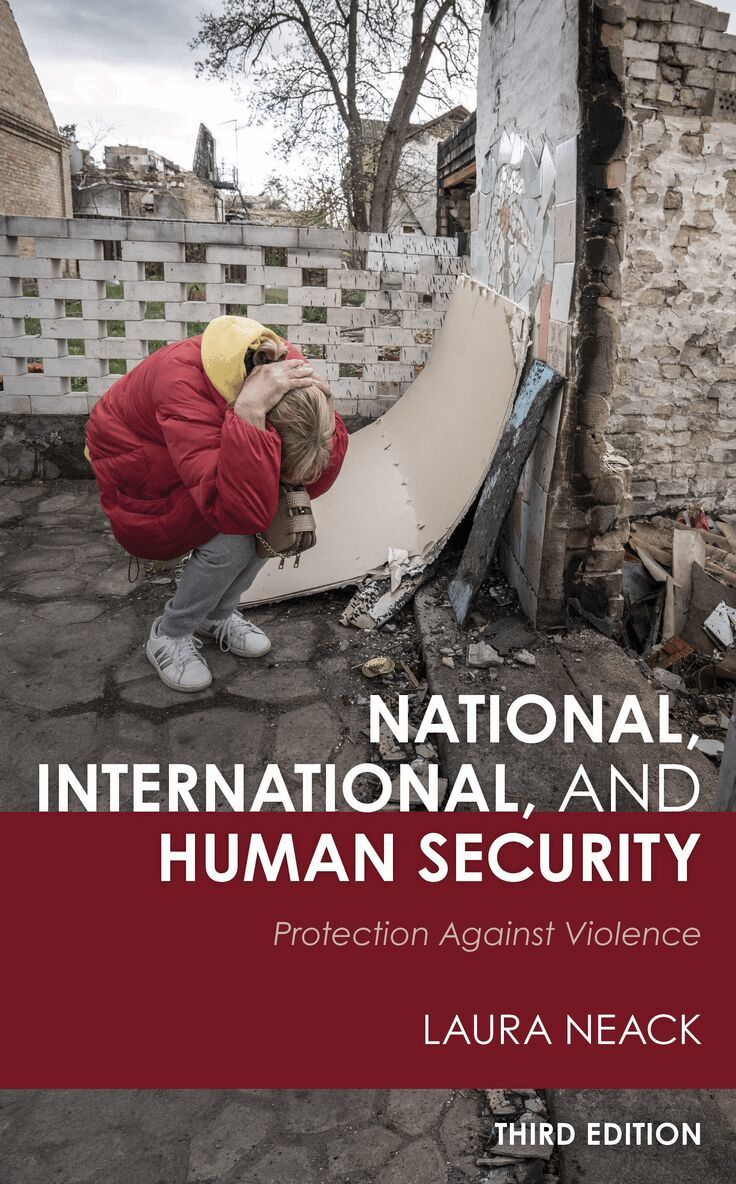
This text provides a thorough overview of how states pursue security against violence, and how this pursuit paradoxically creates greater insecurity at the national, international, and individual levels. The traditional insistence that states are the primary and most important actors makes security, ultimately, elusive. This argument provides a compelling framework for students to understand the breadth and nuance of security at each level. Case studies throughout the text bring life to the concepts. This fully revised third edition includes discussion of the Russian invasion of Ukraine, China and the Uyghurs, the Covid-19 pandemic, the January 6th Capitol insurrection, Trump’s attempt to overturn the 2020 election; Mexico’s use of its military in internal security, the coup in Myanmar, Orbán’s Hungary, China and Taiwan, India and Pakistan, US-China competition, China’s Belt and Road Initiative, Russia’s Wagner Group, North Korea’s missile testing, refugees in Poland, and numerous other examples, large and small. The third edition features:Highlighted cases to illustrate new security threats across the globe, now listed at the start of each chapterBeginning-of-chapter Learning Objectives and End-of-chapter Discussion Questions that reinforce student learning and engagementThe unique framework arguing that security remains elusive because of the ethic insisting that states are the most important actors.
434 kr
Skickas inom 10-15 vardagar
This text provides a thorough overview of how states pursue security against violence, and how this pursuit paradoxically creates greater insecurity at the national, international, and individual levels. The traditional insistence that states are the primary and most important actors makes security, ultimately, elusive. This argument provides a compelling framework for students to understand the breadth and nuance of security at each level. Case studies throughout the text bring life to the concepts. This fully revised third edition includes discussion of the Russian invasion of Ukraine, China and the Uyghurs, the Covid-19 pandemic, the January 6th Capitol insurrection, Trump’s attempt to overturn the 2020 election; Mexico’s use of its military in internal security, the coup in Myanmar, Orbán’s Hungary, China and Taiwan, India and Pakistan, US-China competition, China’s Belt and Road Initiative, Russia’s Wagner Group, North Korea’s missile testing, refugees in Poland, and numerous other examples, large and small. The third edition features:Highlighted cases to illustrate new security threats across the globe, now listed at the start of each chapterBeginning-of-chapter Learning Objectives and End-of-chapter Discussion Questions that reinforce student learning and engagementThe unique framework arguing that security remains elusive because of the ethic insisting that states are the most important actors.