Laura Ryser - Böcker
Visar alla böcker från författaren Laura Ryser. Handla med fri frakt och snabb leverans.
5 produkter
5 produkter
649 kr
Skickas inom 10-15 vardagar
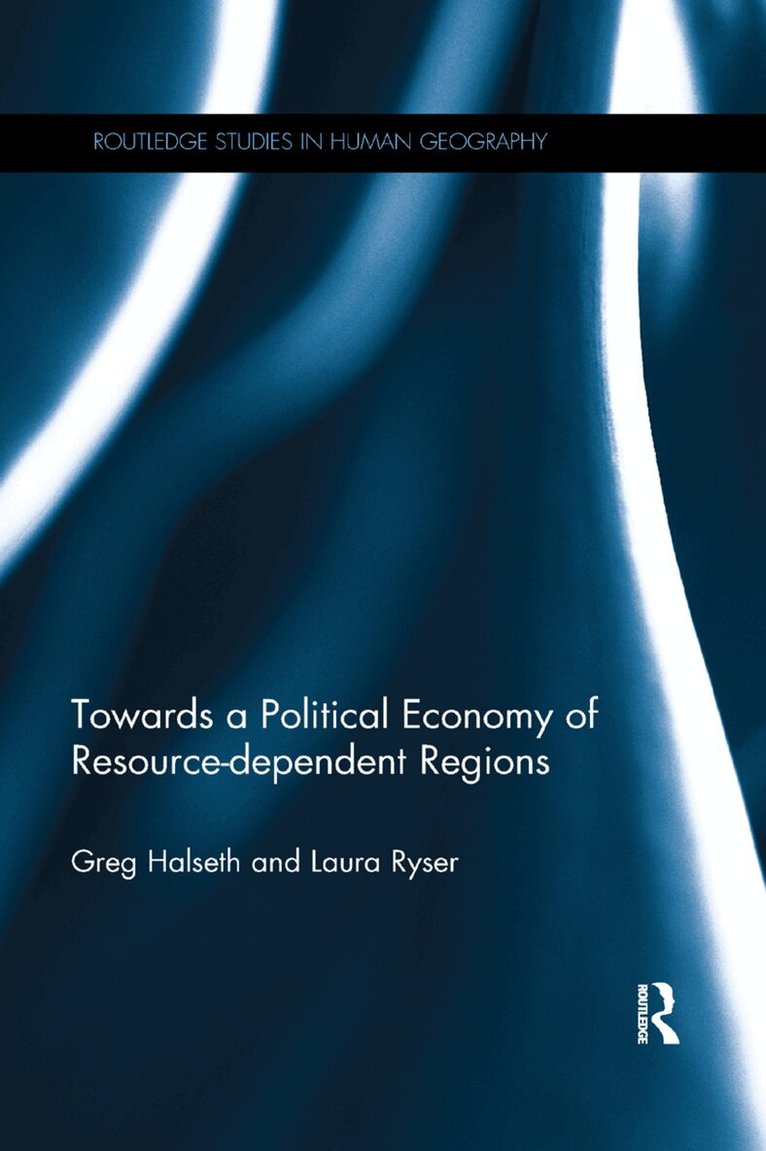
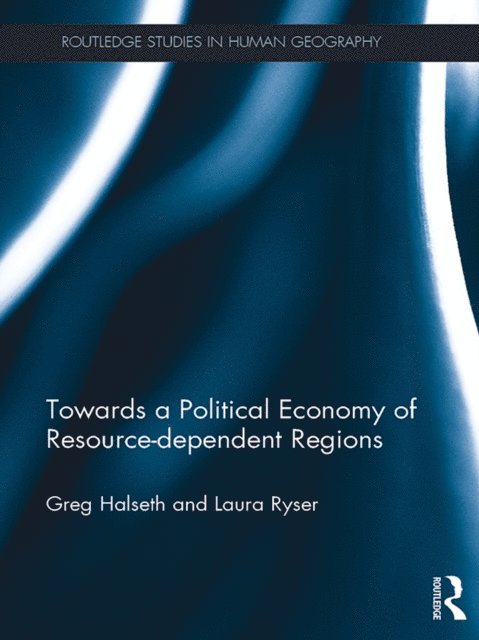
This book advances our understanding of resource-dependent regions in developed economies in the 21st Century. It explores how rural and small town places are working to find success in a new economy marked by demographic, economic, social, cultural, political, and environmental change. How are we to understand the changes and transformations working through communities and economies? Where are the trajectories of change leading these resource-dependent places and regions? Drawing upon examples from Canada, USA, UK, Australia, New Zealand, and the Nordic countries, these and other questions are explored and addressed by constructing a critical political economy framework of resource hinterland transition. Towards a Political Economy of Resource Dependent Regions is a key resource for students and researchers in geography, rural and industrial sociology, economics, environmental studies, political science, regional studies, and planning, as well as policy-makers, those in industry and the private sector, and local and regional development practitioners.
698 kr
Skickas inom 10-15 vardagar
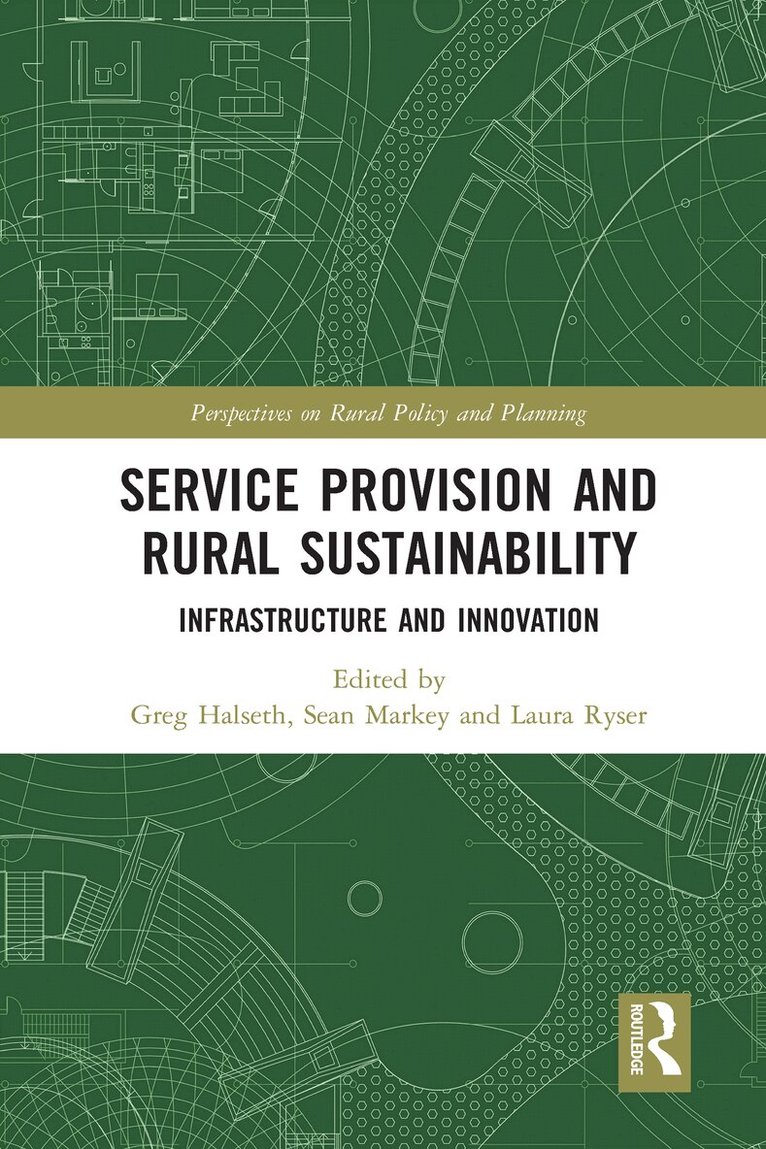
Access to quality services and community infrastructure are vital parts of supporting sustainable and resilient rural and small town places. Renewing outdated infrastructure and supporting the delivery of services in rural communities present significant challenges from the constrained fiscal and policy realities of the 21st century.Drawing upon contributors from five Organization for Economic Co-operation and Development (OECD) countries, this book describes innovative service delivery and community infrastructure models that are appropriate to the contemporary rural and resource-dependent regions of developed economies. The examples show that an entrepreneurial approach to service delivery and infrastructure provision by local organizations and governments is needed. Critical economic and community development supports are crucial to assist creative and innovative sets of solutions that work for small communities. Chapters in this book argue that community development foundations for resilient rural and small town communities and regions must be co-constructed and co-delivered in partnership by both local and senior government actors, in terms of both policy and committed resources. This volume will be extremely valuable for students, scholars, and community development practitioners exploring policy-making, government initiatives, and community service provision in rural and small town places.
2 088 kr
Skickas inom 10-15 vardagar
This book advances our understanding of resource-dependent regions in developed economies in the 21st Century. It explores how rural and small town places are working to find success in a new economy marked by demographic, economic, social, cultural, political, and environmental change. How are we to understand the changes and transformations working through communities and economies? Where are the trajectories of change leading these resource-dependent places and regions? Drawing upon examples from Canada, USA, UK, Australia, New Zealand, and the Nordic countries, these and other questions are explored and addressed by constructing a critical political economy framework of resource hinterland transition. Towards a Political Economy of Resource Dependent Regions is a key resource for students and researchers in geography, rural and industrial sociology, economics, environmental studies, political science, regional studies, and planning, as well as policy-makers, those in industry and the private sector, and local and regional development practitioners.
421 kr
Skickas inom 10-15 vardagar
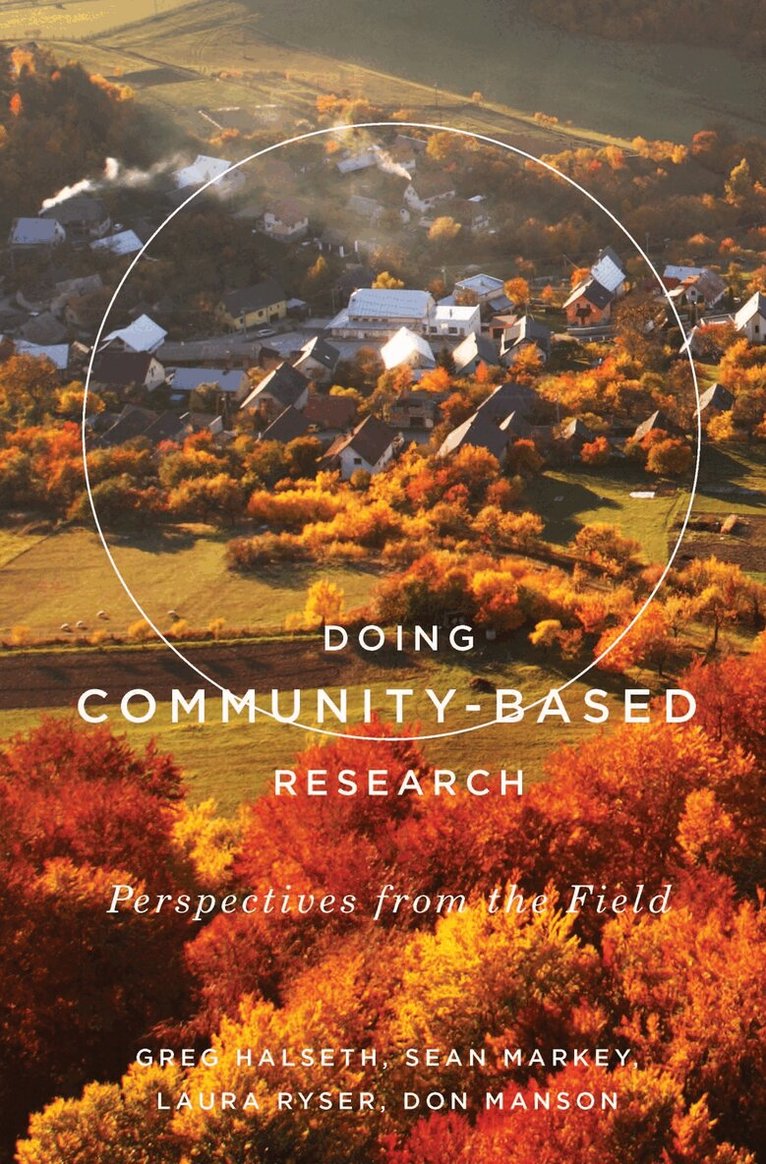
Community-based research (CBR) offers useful insights into the challenges associated with conducting research and ensuring that it generates both excellent scholarship and positive impacts in the communities where the research takes place. This depends on two important variables: the capacity of CBR to generate good information, and the extent to which CBR is understood and constructed as a two-way relationship that includes a set of responsibilities for both researchers and communities. Offering expert advice on the crucial relationship between communities and researchers, the authors outline the main stages of the CBR process to guide researchers and practitioners. They discuss the reasons for conducting CBR, provide tips on how to design research, and detail how researchers and communities should get to know one another, as well as how best to work in the field and how to turn fieldwork into research that counts. By focusing on the lessons learned from the use of CBR, the authors make the messages, lessons, and practices applicable to a variety of research settings. Drawing collectively from decades of community-based research experience and including vignettes from researchers from around the world who share their CBR experiences, Doing Community-Based Research is an essential book for scholars, students, practitioners, and the educated public.
2 290 kr
Skickas inom 10-15 vardagar
Access to quality services and community infrastructure are vital parts of supporting sustainable and resilient rural and small town places. Renewing outdated infrastructure and supporting the delivery of services in rural communities present significant challenges from the constrained fiscal and policy realities of the 21st century.Drawing upon contributors from five Organization for Economic Co-operation and Development (OECD) countries, this book describes innovative service delivery and community infrastructure models that are appropriate to the contemporary rural and resource-dependent regions of developed economies. The examples show that an entrepreneurial approach to service delivery and infrastructure provision by local organizations and governments is needed. Critical economic and community development supports are crucial to assist creative and innovative sets of solutions that work for small communities. Chapters in this book argue that community development foundations for resilient rural and small town communities and regions must be co-constructed and co-delivered in partnership by both local and senior government actors, in terms of both policy and committed resources. This volume will be extremely valuable for students, scholars, and community development practitioners exploring policy-making, government initiatives, and community service provision in rural and small town places.