Laurel L. Rose - Böcker
Visar alla böcker från författaren Laurel L. Rose. Handla med fri frakt och snabb leverans.
2 produkter
2 produkter
Del 69 - African Studies
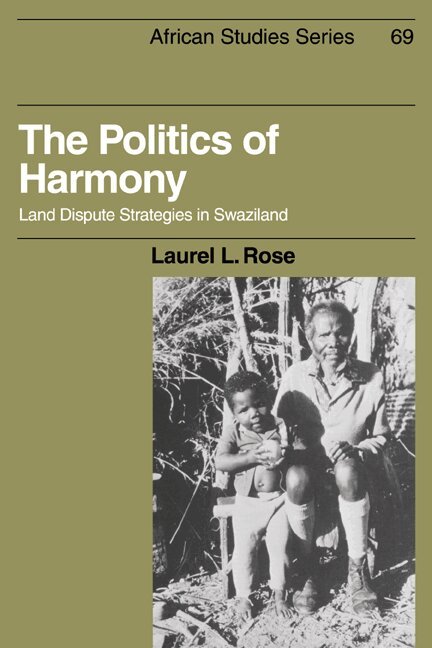
The Politics of Harmony
Land Dispute Strategies in Swaziland
Häftad, Engelska, 2006
482 kr
Skickas inom 7-10 vardagar
Laurel Rose analyses how traditional ruling elites in Swaziland, as in other parts of Africa, use harmony ideologies to downplay and resolve land disputes. Such disputes could be used by foreign development agents or indigenous new élites as justification for implementing land tenure changes, including a reduction of traditional elites' power based upon land control. Swazi commoners accept the cultural value and legitimacy of most harmony ideologies, but they use strategies when disputing about particular land rights to produce more favourable outcomes. This book is unusual in its focus on political rather than economic dimensions of land tenure and disputes. It searches for links between individual concerns with land use rights and national concerns with land policy. It also examines gender and leadership issues associated with land, showing how women and new élites threaten land interests of men and traditional leaders.
Del 69 - African Studies
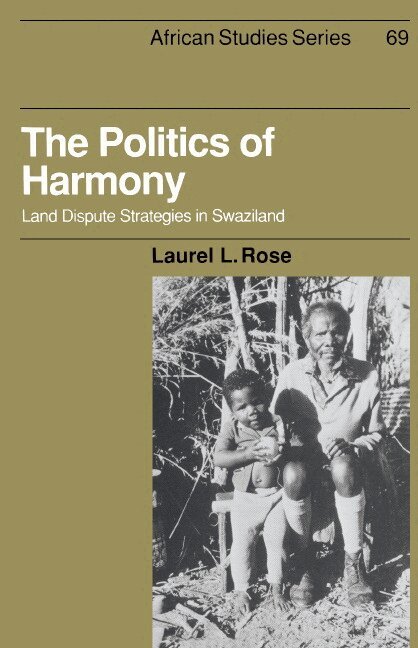
The Politics of Harmony
Land Dispute Strategies in Swaziland
Inbunden, Engelska, 1992
1 458 kr
Skickas inom 7-10 vardagar
Laurel Rose analyses how traditional ruling elites in Swaziland, as in other parts of Africa, use harmony ideologies to downplay and resolve land disputes. Such disputes could be used by foreign development agents or indigenous new élites as justification for implementing land tenure changes, including a reduction of traditional elites' power based upon land control. Swazi commoners accept the cultural value and legitimacy of most harmony ideologies, but they use strategies when disputing about particular land rights to produce more favourable outcomes. This book is unusual in its focus on political rather than economic dimensions of land tenure and disputes. It searches for links between individual concerns with land use rights and national concerns with land policy. It also examines gender and leadership issues associated with land, showing how women and new élites threaten land interests of men and traditional leaders.