Lauren McArthur Harris - Böcker
Visar alla böcker från författaren Lauren McArthur Harris. Handla med fri frakt och snabb leverans.
3 produkter
3 produkter
415 kr
Skickas inom 7-10 vardagar
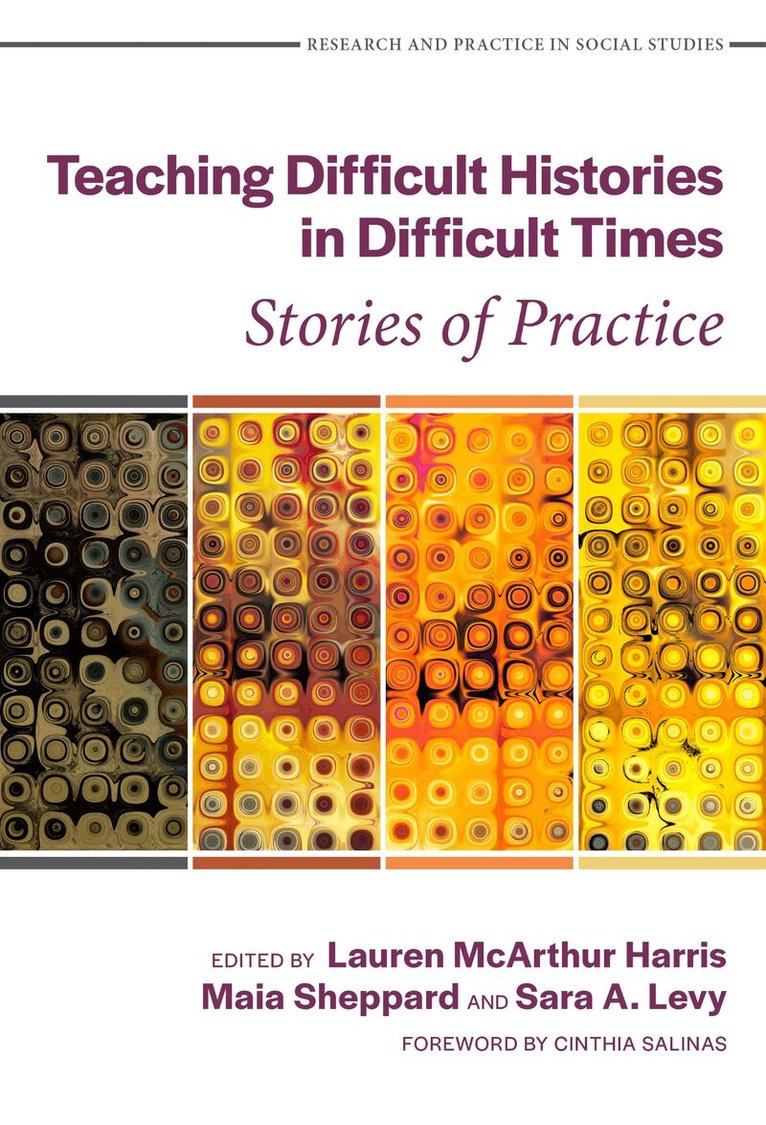
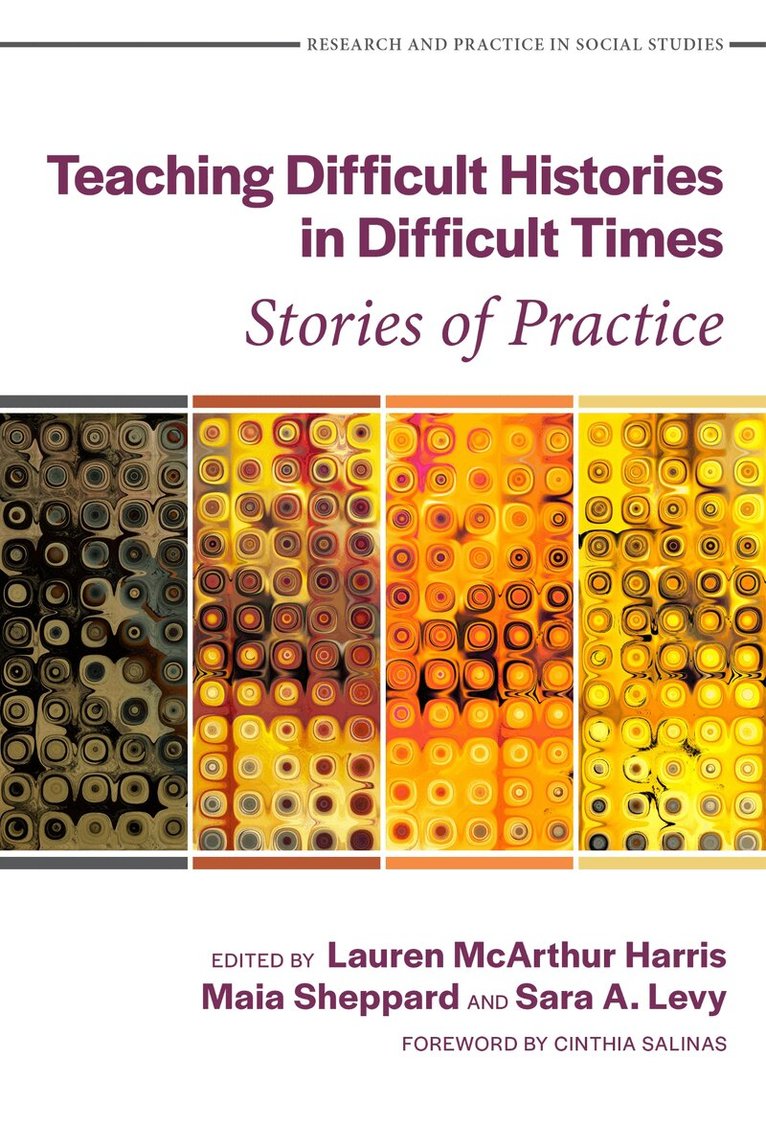
Despite limitations and challenges, teaching about difficult histories is an essential aspect of social studies courses and units across grade levels. This practical resource highlights stories of K–12 practitioners who have critically examined and reflected on their experiences with planning and teaching histories identified as difficult. Featuring the voices of teacher educators, classroom teachers, and museum educators, these stories provide readers with rare examples of how to plan for, teach, and reflect on difficult histories. The book is divided into four main sections: Centering Difficult History Content, Centering Teacher and Student Identities, Centering Local and Contemporary Contexts, and Centering Teacher Decision-making. Key topics include teaching about genocide, slavery, immigration, war, racial violence, and terrorism. This dynamic book highlights the practitioner’s perspective to reveal how teachers can and do think critically about their motivations and the methods they use to engage students in rigorous, complex, and appropriate studies of the past.Book Features:Expanded notions of what difficult histories can be and how they can be approached pedagogically.Thoughtful pictures of practice of some of the most complex histories to teach.Stories of K–12 teachers and museum educators with the research of leading scholars in social studies education.Examples from a wide range of educational contexts in the United States and other countries.Resources useful to teachers and teacher educators.
1 333 kr
Skickas inom 11-20 vardagar
Despite limitations and challenges, teaching about difficult histories is an essential aspect of social studies courses and units across grade levels. This practical resource highlights stories of K–12 practitioners who have critically examined and reflected on their experiences with planning and teaching histories identified as difficult. Featuring the voices of teacher educators, classroom teachers, and museum educators, these stories provide readers with rare examples of how to plan for, teach, and reflect on difficult histories. The book is divided into four main sections: Centering Difficult History Content, Centering Teacher and Student Identities, Centering Local and Contemporary Contexts, and Centering Teacher Decision-making. Key topics include teaching about genocide, slavery, immigration, war, racial violence, and terrorism. This dynamic book highlights the practitioner’s perspective to reveal how teachers can and do think critically about their motivations and the methods they use to engage students in rigorous, complex, and appropriate studies of the past.Book Features:Expanded notions of what difficult histories can be and how they can be approached pedagogically.Thoughtful pictures of practice of some of the most complex histories to teach.Stories of K–12 teachers and museum educators with the research of leading scholars in social studies education.Examples from a wide range of educational contexts in the United States and other countries.Resources useful to teachers and teacher educators.
2 066 kr
Skickas inom 7-10 vardagar
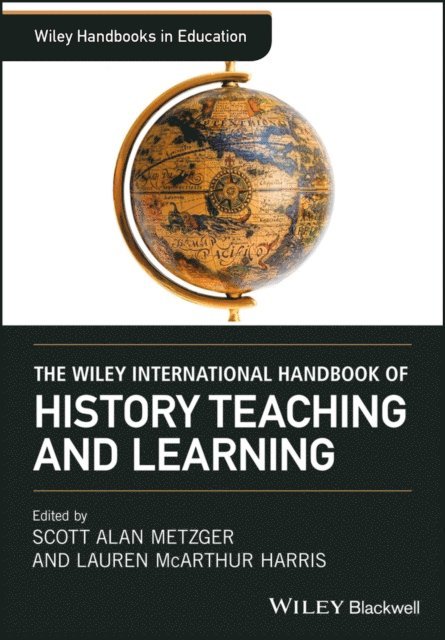
A comprehensive review of the research literature on history education with contributions from international expertsThe Wiley International Handbook of History Teaching and Learning draws on contributions from an international panel of experts. Their writings explore the growth the field has experienced in the past three decades and offer observations on challenges and opportunities for the future. The contributors represent a wide range of pioneering, established, and promising new scholars with diverse perspectives on history education.Comprehensive in scope, the contributions cover major themes and issues in history education including: policy, research, and societal contexts; conceptual constructs of history education; ideologies, identities, and group experiences in history education; practices and learning; historical literacies: texts, media, and social spaces; and consensus and dissent. This vital resource: Contains original writings by more than 40 scholars from seven countriesIdentifies major themes and issues shaping history education todayHighlights history education as a distinct field of scholarly inquiry and academic practicePresents an authoritative survey of where the field has been and offers a view of what the future may holdWritten for scholars and students of education as well as history teachers with an interest in the current issues in their field, The Wiley International Handbook of History Teaching and Learning is a comprehensive handbook that explores the increasingly global field of history education as it has evolved to the present day.