Lauren R. Shapiro - Böcker
Visar alla böcker från författaren Lauren R. Shapiro. Handla med fri frakt och snabb leverans.
3 produkter
3 produkter
725 kr
Skickas inom 10-15 vardagar
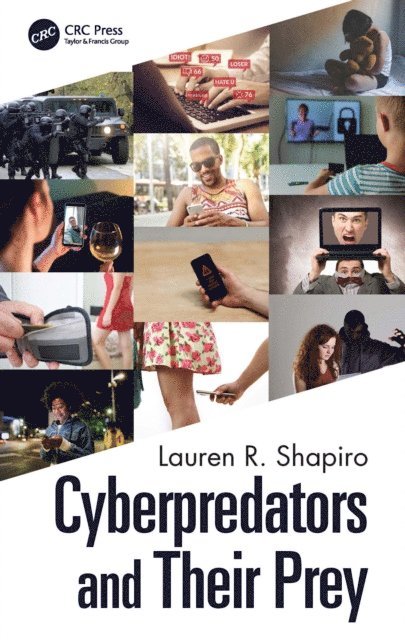
The online environment has emerged as a continuous and unfettered source of interpersonal criminal activity beyond physical boundaries. Cyberpredators commit their crimes by employing the Internet and online services—social network platforms, online groups and organizations, smart phone apps, bulletin board systems, online forums, websites, internet relay chat channels—to locate and harm victims of all ages through attacking, exploiting, humiliating, bullying, harassing, threatening, defrauding, and extorting.Cyberpredators and Their Prey describes non-sexual and sexual interpersonal crimes—online romance scam, swatting, trolling, stalking, bullying, harassment, minor sexting, sexual trafficking, child sexual abuse material, sextortion, and image-based sexual abuse offenses. Each chapter contains: crime definition and relevant issues; typical cyberpredator, motives, and methods; typical victims and behaviors that make them targets; current criminal laws for prosecuting cybercrimes and assessment of their applicability and effectiveness as deterrents; the crime’s impact on individual victims and society in general; and cybersecurity prevention and intervention strategies. Also covered are the unique challenges that the regulation, investigation, and prosecution of these cybercrimes pose to criminal justice and private security agents worldwide; the need for society to hold companies operating online responsible for their role in cybercrime; and how aspects of the online environment (i.e., anonymity, toxic disinhibition, de-individuation, inculpability) contribute to harmful and abusive interpersonal interaction, particularly when enacted by perpetrators as part of a group attack.Key features:Portrays material through multidisciplinary lens of psychology, criminal justice, law, and securityProvides consistent, practical information about online criminals and victimsCompares online to offline versions of the same crimeDiscusses adequacy of current laws for prosecuting cybercriminalsConsiders elements of the online environment that foster criminal activityDescribes social engineering techniquesConsiders the role of intimate partner violence in cybercrimesReviews 21st century skills needed to educate and protect potential targetsCyberpredators and Their Prey will prove essential reading to those who are studying to become, or are currently, security professionals; law enforcement personnel and investigators; intelligence agents; private investigators; lawyers; compliance officers; social service workers; and other professionals who deal with interpersonal cybercrime through the lens of social science.
1 685 kr
Skickas inom 10-15 vardagar
The online environment has emerged as a continuous and unfettered source of interpersonal criminal activity beyond physical boundaries. Cyberpredators commit their crimes by employing the Internet and online services—social network platforms, online groups and organizations, smart phone apps, bulletin board systems, online forums, websites, internet relay chat channels—to locate and harm victims of all ages through attacking, exploiting, humiliating, bullying, harassing, threatening, defrauding, and extorting.Cyberpredators and Their Prey describes non-sexual and sexual interpersonal crimes—online romance scam, swatting, trolling, stalking, bullying, harassment, minor sexting, sexual trafficking, child sexual abuse material, sextortion, and image-based sexual abuse offenses. Each chapter contains: crime definition and relevant issues; typical cyberpredator, motives, and methods; typical victims and behaviors that make them targets; current criminal laws for prosecuting cybercrimes and assessment of their applicability and effectiveness as deterrents; the crime’s impact on individual victims and society in general; and cybersecurity prevention and intervention strategies. Also covered are the unique challenges that the regulation, investigation, and prosecution of these cybercrimes pose to criminal justice and private security agents worldwide; the need for society to hold companies operating online responsible for their role in cybercrime; and how aspects of the online environment (i.e., anonymity, toxic disinhibition, de-individuation, inculpability) contribute to harmful and abusive interpersonal interaction, particularly when enacted by perpetrators as part of a group attack.Key features:Portrays material through multidisciplinary lens of psychology, criminal justice, law, and securityProvides consistent, practical information about online criminals and victimsCompares online to offline versions of the same crimeDiscusses adequacy of current laws for prosecuting cybercriminalsConsiders elements of the online environment that foster criminal activityDescribes social engineering techniquesConsiders the role of intimate partner violence in cybercrimesReviews 21st century skills needed to educate and protect potential targetsCyberpredators and Their Prey will prove essential reading to those who are studying to become, or are currently, security professionals; law enforcement personnel and investigators; intelligence agents; private investigators; lawyers; compliance officers; social service workers; and other professionals who deal with interpersonal cybercrime through the lens of social science.
6 230 kr
Skickas inom 10-15 vardagar
This Encyclopedia is a comprehensive reference work covering the interdisciplinary facets of security. The topics range from security threats (for example: cybercrime, terrorism, shoplifting and fraud), to applications on the job, to coordination between public and private sectors in handling security and emergency situations nationally and internationally. Special attention is given to security concepts, methods, functions, theories, organizations, and technology. It will also cover the history and current state of the discipline.As a resource, contributions cover best practices in security, weaknesses in current techniques, risk assessment and vulnerability in a range of businesses and critical infrastructure sectors (including heathcare, finance, energy, natural resources, government facilities, communications, and IT), and mechanisms for managing natural and human-made disasters.As an interdisciplinary tool, it will provide practical, authoritative information both for those involved in crime and security studies, as well as those from related disciplines who increasingly need to consider security as part of their work, such as police studies, counterterrorism, urban planning, public policy, and information technology.