
Lauren Shizuko Stone - Böcker
Visar alla böcker från författaren Lauren Shizuko Stone. Handla med fri frakt och snabb leverans.
4 produkter
4 produkter
1 032 kr
Skickas inom 11-20 vardagar
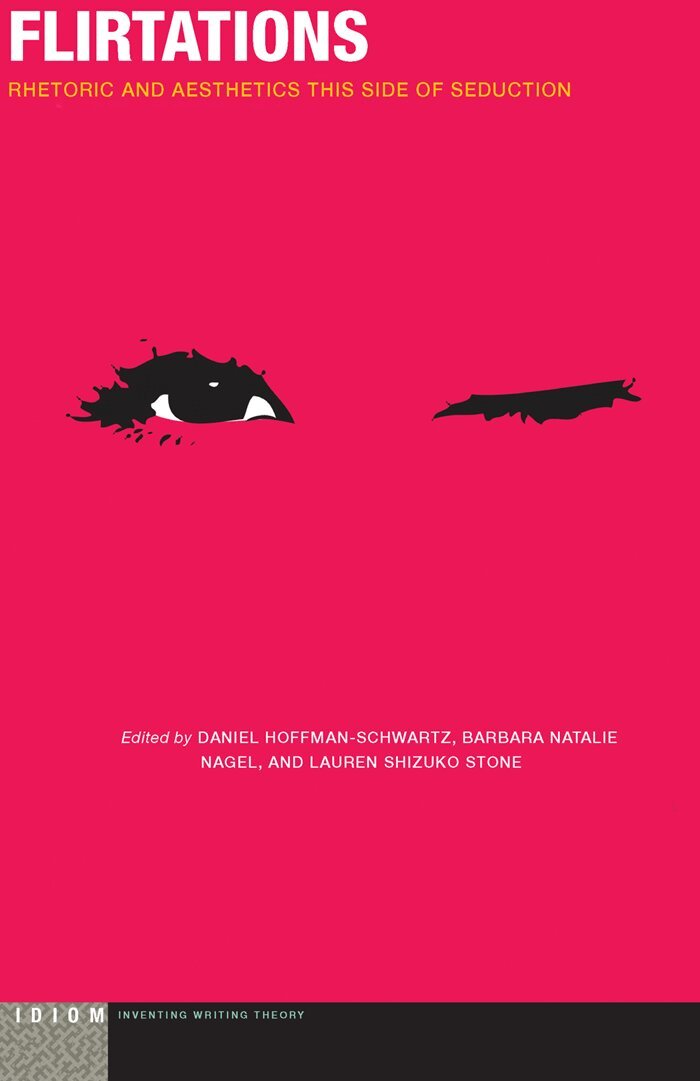
What is flirtation, and how does it differ from seduction?In historical terms, the particular question of flirtation has tended to be obscured by that of seduction, which has understandably been a major preoccupation for twentieth-century thought and critical theory. Both the discourse and the critique of seduction are unified by their shared obsession with a very determinate end: power. In contrast, flirtation is the game in which no one seems to gain the upper hand and no one seems to surrender. The counter-concept of flirtation has thus stood quietly to the side, never quite achieving the same prominence as that of seduction. It is this elusive (and largely ignored) territory of playing for play's sake that is the subject of this anthology.The essays in this volume address the under-theorized terrain of flirtation not as a subgenre of seduction but rather as a phenomenon in its own right. Drawing on the interdisciplinary history of scholarship on flirtation even as it re-approaches the question from a distinctly aesthetic and literary-theoretical point of view, the contributors to Flirtations thus give an account of the practice of flirtation and of the figure of the flirt, taking up the act's relationship to issues of mimesis, poetic ambiguity, and aesthetic pleasure. The art of this poetic playfulness—often read or misread as flirtation's "empty gesture"—becomes suddenly legible as the wielding of a particular and subtle form of nonteleological power.
314 kr
Skickas inom 10-15 vardagar
What is flirtation, and how does it differ from seduction?In historical terms, the particular question of flirtation has tended to be obscured by that of seduction, which has understandably been a major preoccupation for twentieth-century thought and critical theory. Both the discourse and the critique of seduction are unified by their shared obsession with a very determinate end: power. In contrast, flirtation is the game in which no one seems to gain the upper hand and no one seems to surrender. The counter-concept of flirtation has thus stood quietly to the side, never quite achieving the same prominence as that of seduction. It is this elusive (and largely ignored) territory of playing for play's sake that is the subject of this anthology.The essays in this volume address the under-theorized terrain of flirtation not as a subgenre of seduction but rather as a phenomenon in its own right. Drawing on the interdisciplinary history of scholarship on flirtation even as it re-approaches the question from a distinctly aesthetic and literary-theoretical point of view, the contributors to Flirtations thus give an account of the practice of flirtation and of the figure of the flirt, taking up the act's relationship to issues of mimesis, poetic ambiguity, and aesthetic pleasure. The art of this poetic playfulness—often read or misread as flirtation's "empty gesture"—becomes suddenly legible as the wielding of a particular and subtle form of nonteleological power.
Small Worlds of Childhood
Philosophy, Poetics, and the Queer Temporalities of Early Life
Inbunden, Engelska, 2025
1 538 kr
Skickas inom 10-15 vardagar
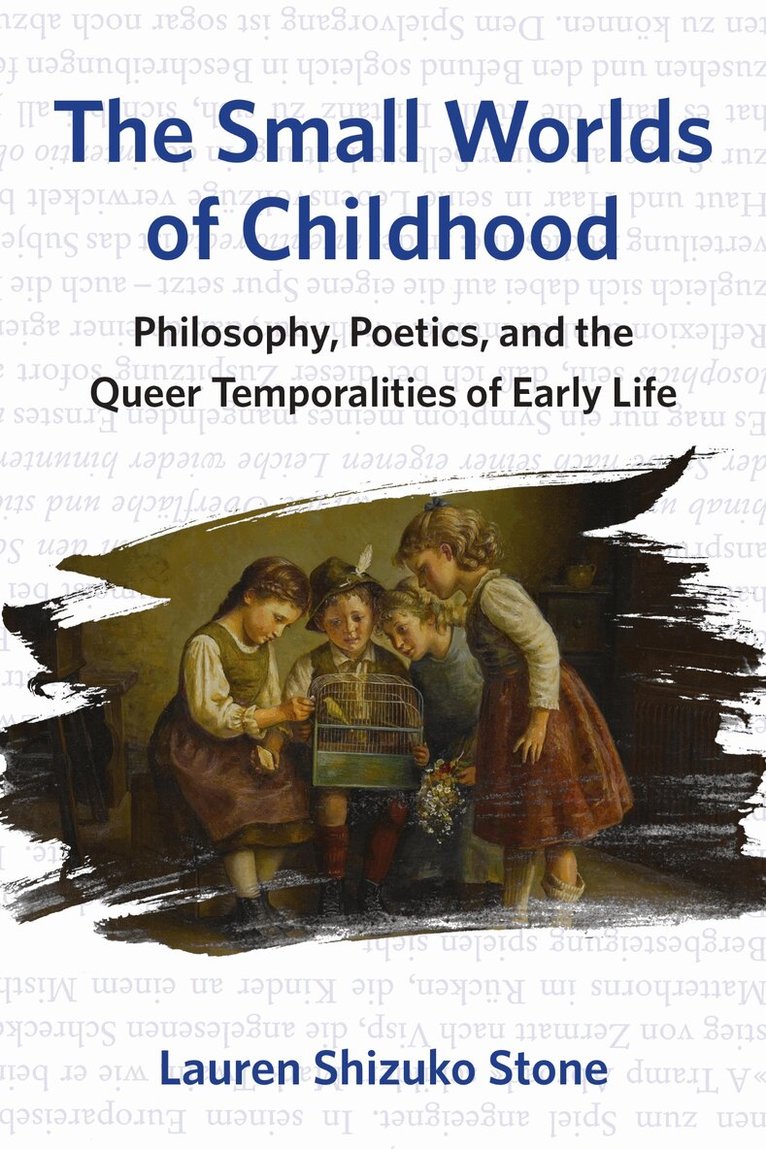
The Small Worlds of Childhood argues that prose representations of bourgeois childhood contain surprising opportunities to reflect on the temporality of experience. In their narratives of children at home in their everyday worlds, Adalbert Stifter, Rainer Maria Rilke, and Walter Benjamin are not only able to shed a unique light on key issues in the history of philosophy. They also offer a queer critique of the normative expectation that the literature of childhood is oriented toward the future. Stone shows that when writers engage in philosophical storytelling, showing children tarrying in quotidian experience, they dislodge childhood from its nostalgic value to grown-ups and the heteronormative demand to grow up. Such stories of children as philosophical subjects thus take on their own lingering, backwards, or all together strange sense of time. Stone demonstrates the necessity of recognizing how texts on childhood—before and beyond Freud—engage literary language in the service of a variety of philosophical attitudes, reminding us how poetic techniques can tell us something extraordinary about moments of ordinary experience and the manner with which humans, and especially children, cognize the world. By bringing canonical German-language literary and philosophical traditions into conversation with current English-language queer approaches, Stone opens a queer counter-history of German and Austrian realist and modernist literature. This title is available from the publisher on an open-access basis.
Small Worlds of Childhood
Philosophy, Poetics, and the Queer Temporalities of Early Life
Häftad, Engelska, 2025
415 kr
Skickas inom 7-10 vardagar
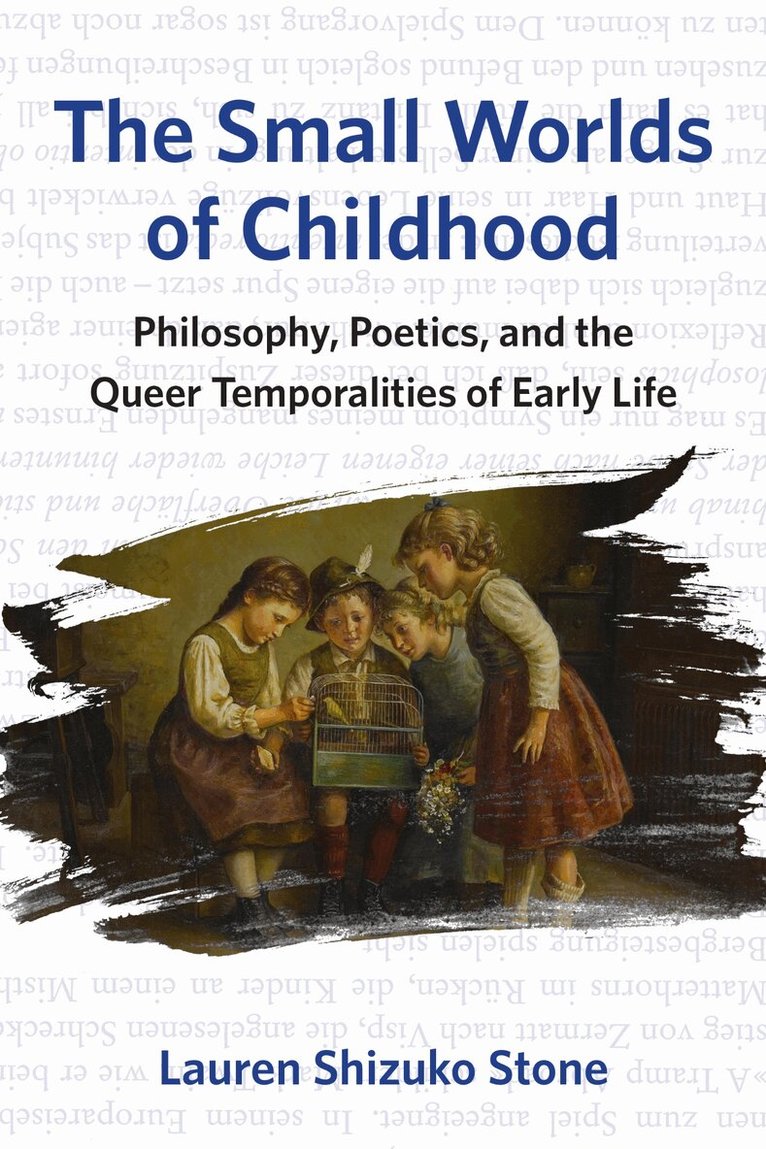
The Small Worlds of Childhood argues that prose representations of bourgeois childhood contain surprising opportunities to reflect on the temporality of experience. In their narratives of children at home in their everyday worlds, Adalbert Stifter, Rainer Maria Rilke, and Walter Benjamin are not only able to shed a unique light on key issues in the history of philosophy. They also offer a queer critique of the normative expectation that the literature of childhood is oriented toward the future. Stone shows that when writers engage in philosophical storytelling, showing children tarrying in quotidian experience, they dislodge childhood from its nostalgic value to grown-ups and the heteronormative demand to grow up. Such stories of children as philosophical subjects thus take on their own lingering, backwards, or all together strange sense of time. Stone demonstrates the necessity of recognizing how texts on childhood—before and beyond Freud—engage literary language in the service of a variety of philosophical attitudes, reminding us how poetic techniques can tell us something extraordinary about moments of ordinary experience and the manner with which humans, and especially children, cognize the world. By bringing canonical German-language literary and philosophical traditions into conversation with current English-language queer approaches, Stone opens a queer counter-history of German and Austrian realist and modernist literature. This title is available from the publisher on an open-access basis.