Laurence A. Moran – författare
774 kr
Läs direkt efter köp
Principles of Biochemistry provides a concise introduction to fundamental concepts of biochemistry, striking the right balance of rigor and detail between the encyclopedic volumes and the cursory overview texts available today. Widely praised for accuracy, currency, and clarity of exposition, the 5th Edition offers a new student-friendly design, an enhanced visual program, new Application Boxes, contemporary research integrated throughout, and updated end-of-chapter problems.
The full text downloaded to your computer
With eBooks you can:
search for key concepts, words and phrases make highlights and notes as you study share your notes with friendseBooks are downloaded to your computer and accessible either offline through the Bookshelf (available as a free download), available online and also via the iPad and Android apps.
Upon purchase, you''ll gain instant access to this eBook.
Time limit
The eBooks products do not have an expiry date. You will continue to access your digital ebook products whilst you have your Bookshelf installed.
390 kr
Skickas inom 5-8 vardagar
427 kr
Läs direkt efter köp
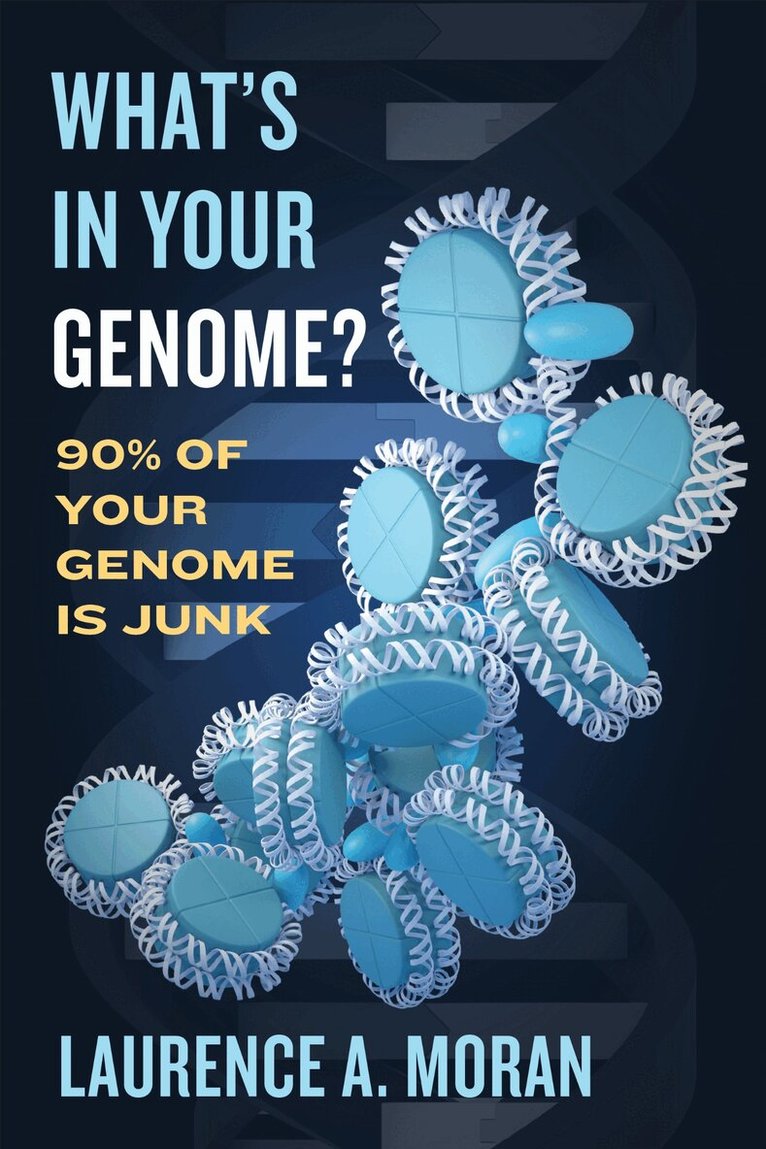
What’s in Your Genome? describes the functional regions of the human genome, the evidence that 90% of it is junk DNA, and the reasons this evidence has not been widely accepted by the popular press and much of the scientific community.
The human genome contains about 25,000 protein-coding and noncoding genes and many other functional elements, such as origins of replication, regulatory elements, and centromeres. Functional elements occupy only about 10 percent of the more than three billion base pairs in the human genome. Much of the rest is composed of ancient fragments of broken genes, transposons, and viruses. Almost all of this is thought to be junk DNA, based on evidence that dates back fifty years.
This conclusion is controversial. What’s in Your Genome? describes the arguments on both sides of the debate and attempts to explain the reasoning behind those different points of view. The book corrects a number of false narratives that have arisen in recent years and examines how they have affected the debate over junk DNA. In addition, Laurence A. Moran focuses on scientific misconceptions and misinformation and on how the junk DNA controversy has been incorrectly portrayed in both the scientific literature and the popular press. Tracing the earliest indications of junk DNA back to the 1960s, the book explains the success of nearly neutral theory and the importance of random genetic drift, which gave rise to the view that evolution produces sloppy genomes full of junk DNA. What’s in Your Genome? aims to offer the most accurate and current account of the human genome.
427 kr
Läs direkt efter köp
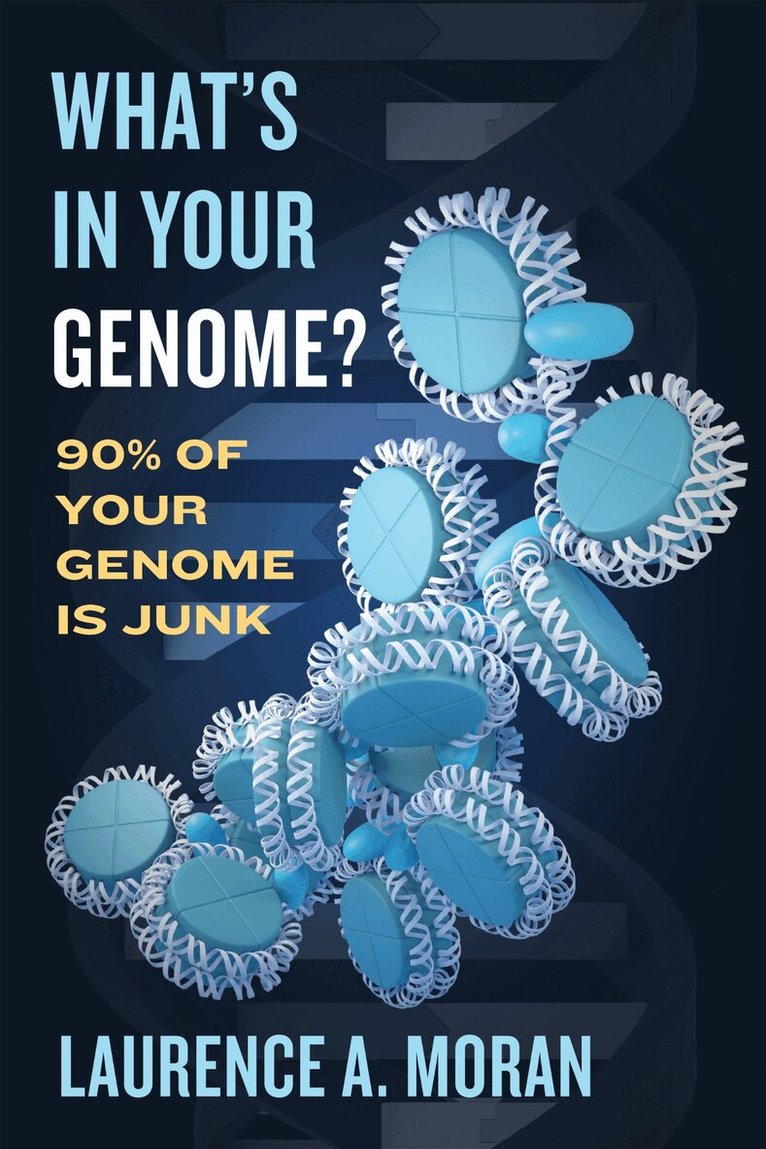
What’s in Your Genome? describes the functional regions of the human genome, the evidence that 90% of it is junk DNA, and the reasons this evidence has not been widely accepted by the popular press and much of the scientific community.
The human genome contains about 25,000 protein-coding and noncoding genes and many other functional elements, such as origins of replication, regulatory elements, and centromeres. Functional elements occupy only about 10 percent of the more than three billion base pairs in the human genome. Much of the rest is composed of ancient fragments of broken genes, transposons, and viruses. Almost all of this is thought to be junk DNA, based on evidence that dates back fifty years.
This conclusion is controversial. What’s in Your Genome? describes the arguments on both sides of the debate and attempts to explain the reasoning behind those different points of view. The book corrects a number of false narratives that have arisen in recent years and examines how they have affected the debate over junk DNA. In addition, Laurence A. Moran focuses on scientific misconceptions and misinformation and on how the junk DNA controversy has been incorrectly portrayed in both the scientific literature and the popular press. Tracing the earliest indications of junk DNA back to the 1960s, the book explains the success of nearly neutral theory and the importance of random genetic drift, which gave rise to the view that evolution produces sloppy genomes full of junk DNA. What’s in Your Genome? aims to offer the most accurate and current account of the human genome.
690 kr
Skickas inom 3-6 vardagar