Laurence Fleming – författare
Visar alla böcker från författaren Laurence Fleming. Handla med fri frakt och snabb leverans.
3 produkter
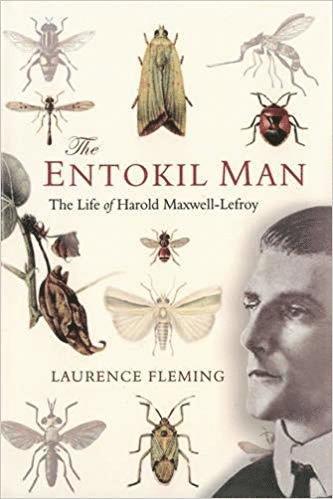
Entokil Man
Inbunden, 2015
170 kr
Lägg i varukorg
Harold Maxwell-Lefroy, the agricultural pioneer who founded Rentokil, was a maverick and a driven man. He was the first to apply the scientific method to dealing with insect pests, which saved innumerable crops in India and the Caribbean, where he worked with farmers. Suddenly the destruction of …
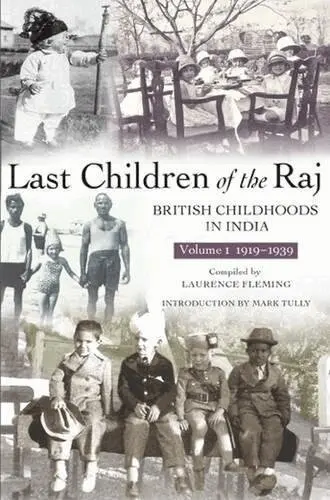
Last Children Of The Raj, Volume 1
Av Mark Tully, Laurence Fleming
Häftad, 2016
171 kr
Tillfälligt slut
These are the stories of the last generation of children raised in British India, in their own words. Over 280 contributions and 200 photographs from over 120 individuals make this a unique record of an extraordinary time and place. The experience of life in the Raj is now remote from British daily …
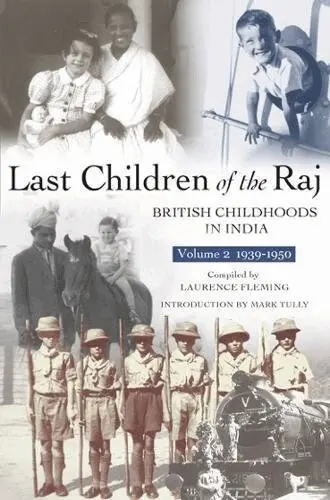
Last Children Of The Raj, Volume 2
Av Mark Tully, Laurence Fleming
Häftad, 2016
171 kr
Tillfälligt slut
These are the stories of the last generation of children raised in British India, in their own words. Over 280 contributions and 200 photographs from over 120 individuals make this a unique record of an extraordinary time and place. The experience of life in the Raj is now remote from British daily …