Laurie B. Green – författare
Visar alla böcker från författaren Laurie B. Green. Handla med fri frakt och snabb leverans.
8 produkter
8 produkter
Häftad, Engelska, 2007
509 kr
Skickas inom 10-15 vardagar
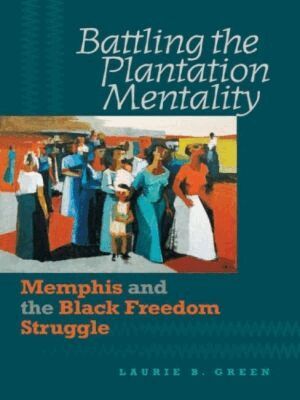
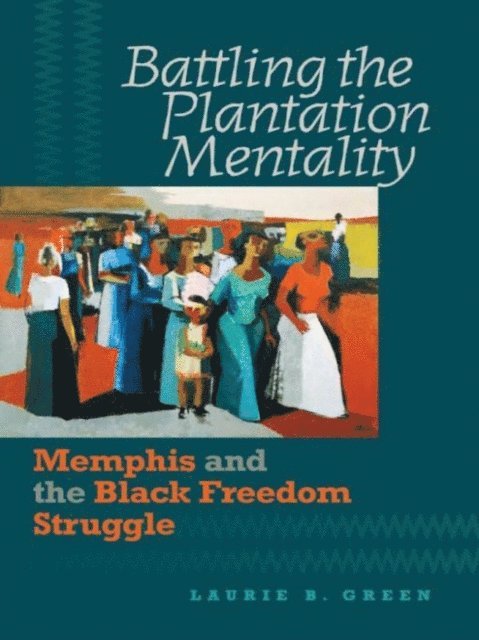
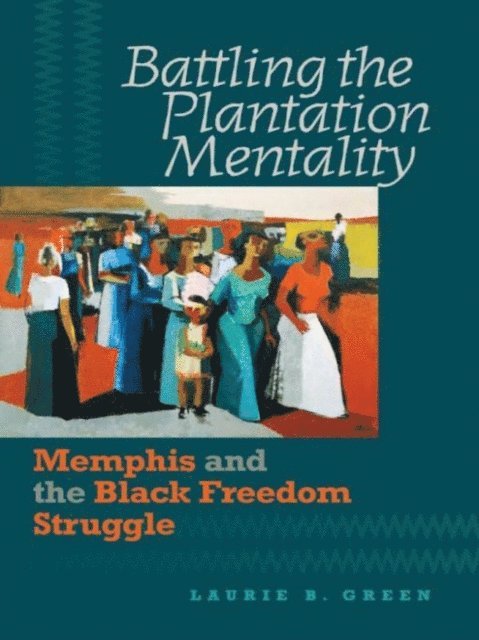
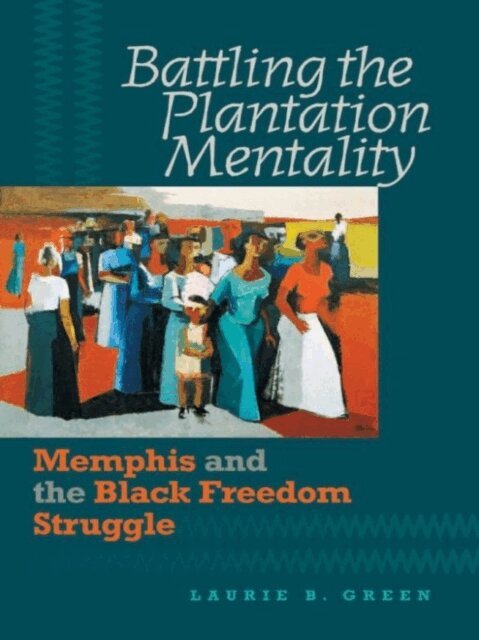
African American freedom is often defined in terms of emancipation and civil rights legislation, but it did not arrive with the stroke of a pen or the rap of a gavel. No single event makes this more plain, Laurie Green argues, than the 1968 Memphis sanitation workers' strike, which culminated in the assassination of Martin Luther King Jr. Exploring the notion of ""freedom"" in postwar Memphis, Green demonstrates that the civil rights movement was battling an ongoing ""plantation mentality"" based on race, gender, and power that permeated southern culture long before - and even after - the groundbreaking legislation of the mid-1960s. With its slogan ""I AM a Man!"", the Memphis strike provides a clarion example of how the movement fought for a black freedom that consisted of not only constitutional rights but also social and human rights. As the sharecropping system crumbled and migrants streamed to the cities during and after World War II, the struggle for black freedom touched all aspects of daily life. Green traces the movement to new locations, from protests against police brutality and racist movie censorship policies to innovations in mass culture, such as black-oriented radio stations. Incorporating scores of oral histories, Green demonstrates that the interplay of politics, culture, and consciousness is critical to truly understanding freedom and the black struggle for it.
E-bok
Engelska, 2009398 kr
Läs direkt efter köp
African American freedom is often defined in terms of emancipation and civil rights legislation, but it did not arrive with the stroke of a pen or the rap of a gavel. No single event makes this more plain, Laurie Green argues, than the 1968 Memphis sanitation workers'' strike, which culminated in the assassination of Martin Luther King Jr. Exploring the notion of “freedom” in postwar Memphis, Green demonstrates that the civil rights movement was battling an ongoing “plantation mentality” based on race, gender, and power that permeated southern culture long before — and even after — the groundbreaking legislation of the mid-1960s.With its slogan “I AM a Man!” the Memphis strike provides a clarion example of how the movement fought for a black freedom that consisted of not only constitutional rights but also social and human rights. As the sharecropping system crumbled and migrants streamed to the cities during and after World War II, the struggle for black freedom touched all aspects of daily life. Green traces the movement to new locations, from protests against police brutality and racist movie censorship policies to innovations in mass culture, such as black-oriented radio stations. Incorporating scores of oral histories, Green demonstrates that the interplay of politics, culture, and consciousness is critical to truly understanding freedom and the black struggle for it.
E-bok
PDF, Engelska, 20092 597 kr
Läs direkt efter köp
African American freedom is often defined in terms of emancipation and civil rights legislation, but it did not arrive with the stroke of a pen or the rap of a gavel. No single event makes this more plain, Laurie Green argues, than the 1968 Memphis sanitation workers'' strike, which culminated in the assassination of Martin Luther King Jr. Exploring the notion of "freedom" in postwar Memphis, Green demonstrates that the civil rights movement was battling an ongoing "plantation mentality" based on race, gender, and power that permeated southern culture long before--and even after--the groundbreaking legislation of the mid-1960s. With its slogan "I AM a Man!" the Memphis strike provides a clarion example of how the movement fought for a black freedom that consisted of not only constitutional rights but also social and human rights. As the sharecropping system crumbled and migrants streamed to the cities during and after World War II, the struggle for black freedom touched all aspects of daily life. Green traces the movement to new locations, from protests against police brutality and racist movie censorship policies to innovations in mass culture, such as black-oriented radio stations. Incorporating scores of oral histories, Green demonstrates that the interplay of politics, culture, and consciousness is critical to truly understanding freedom and the black struggle for it.
E-bok
Engelska, 2013337 kr
Läs direkt efter köp
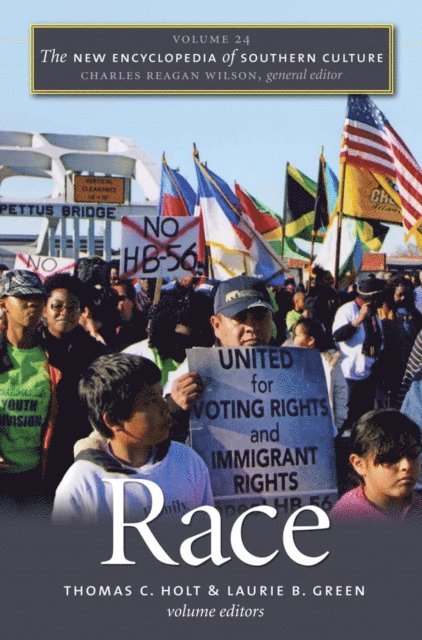
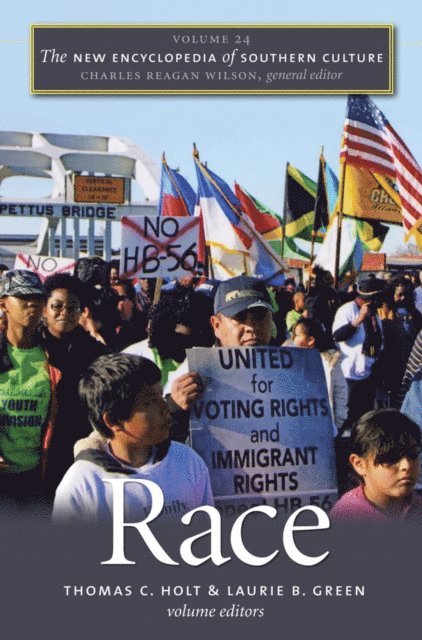
There is no denying that race is a critical issue in understanding the South. However, this concluding volume of The New Encyclopedia of Southern Culture challenges previous understandings, revealing the region’s rich, ever-expanding diversity and providing new explorations of race relations. In 36 thematic and 29 topical essays, contributors examine such subjects as the Tuskegee Syphilis Study, Japanese American incarceration in the South, relations between African Americans and Native Americans, Chinese men adopting Mexican identities, Latino religious practices, and Vietnamese life in the region. Together the essays paint a nuanced portrait of how concepts of race in the South have influenced its history, art, politics, and culture beyond the familiar binary of black and white.
E-bok
PDF, Engelska, 20131 665 kr
Läs direkt efter köp
There is no denying that race is a critical issue in understanding the South. However, this concluding volume of The New Encyclopedia of Southern Culture challenges previous understandings, revealing the region''s rich, ever-expanding diversity and providing new explorations of race relations. In 36 thematic and 29 topical essays, contributors examine such subjects as the Tuskegee Syphilis Study, Japanese American incarceration in the South, relations between African Americans and Native Americans, Chinese men adopting Mexican identities, Latino religious practices, and Vietnamese life in the region. Together the essays paint a nuanced portrait of how concepts of race in the South have influenced its history, art, politics, and culture beyond the familiar binary of black and white.
E-bok
PDF, Engelska, 2009398 kr
Läs direkt efter köp
African American freedom is often defined in terms of emancipation and civil rights legislation, but it did not arrive with the stroke of a pen or the rap of a gavel. No single event makes this more plain, Laurie Green argues, than the 1968 Memphis sanitation workers'' strike, which culminated in the assassination of Martin Luther King Jr. Exploring the notion of “freedom” in postwar Memphis, Green demonstrates that the civil rights movement was battling an ongoing “plantation mentality” based on race, gender, and power that permeated southern culture long before — and even after — the groundbreaking legislation of the mid-1960s.With its slogan “I AM a Man!” the Memphis strike provides a clarion example of how the movement fought for a black freedom that consisted of not only constitutional rights but also social and human rights. As the sharecropping system crumbled and migrants streamed to the cities during and after World War II, the struggle for black freedom touched all aspects of daily life. Green traces the movement to new locations, from protests against police brutality and racist movie censorship policies to innovations in mass culture, such as black-oriented radio stations. Incorporating scores of oral histories, Green demonstrates that the interplay of politics, culture, and consciousness is critical to truly understanding freedom and the black struggle for it.
E-bok
PDF, Engelska, 2013269 kr
Läs direkt efter köp
There is no denying that race is a critical issue in understanding the South. However, this concluding volume of The New Encyclopedia of Southern Culture challenges previous understandings, revealing the region’s rich, ever-expanding diversity and providing new explorations of race relations. In 36 thematic and 29 topical essays, contributors examine such subjects as the Tuskegee Syphilis Study, Japanese American incarceration in the South, relations between African Americans and Native Americans, Chinese men adopting Mexican identities, Latino religious practices, and Vietnamese life in the region. Together the essays paint a nuanced portrait of how concepts of race in the South have influenced its history, art, politics, and culture beyond the familiar binary of black and white.
E-bok
PDF, Engelska, 20131 304 kr
Läs direkt efter köp
There is no denying that race is a critical issue in understanding the South. However, this concluding volume of The New Encyclopedia of Southern Culture challenges previous understandings, revealing the region’s rich, ever-expanding diversity and providing new explorations of race relations. In 36 thematic and 29 topical essays, contributors examine such subjects as the Tuskegee Syphilis Study, Japanese American incarceration in the South, relations between African Americans and Native Americans, Chinese men adopting Mexican identities, Latino religious practices, and Vietnamese life in the region. Together the essays paint a nuanced portrait of how concepts of race in the South have influenced its history, art, politics, and culture beyond the familiar binary of black and white.