Lawrence H. Luessen - Böcker
Visar alla böcker från författaren Lawrence H. Luessen. Handla med fri frakt och snabb leverans.
5 produkter
5 produkter
3 168 kr
Skickas inom 10-15 vardagar
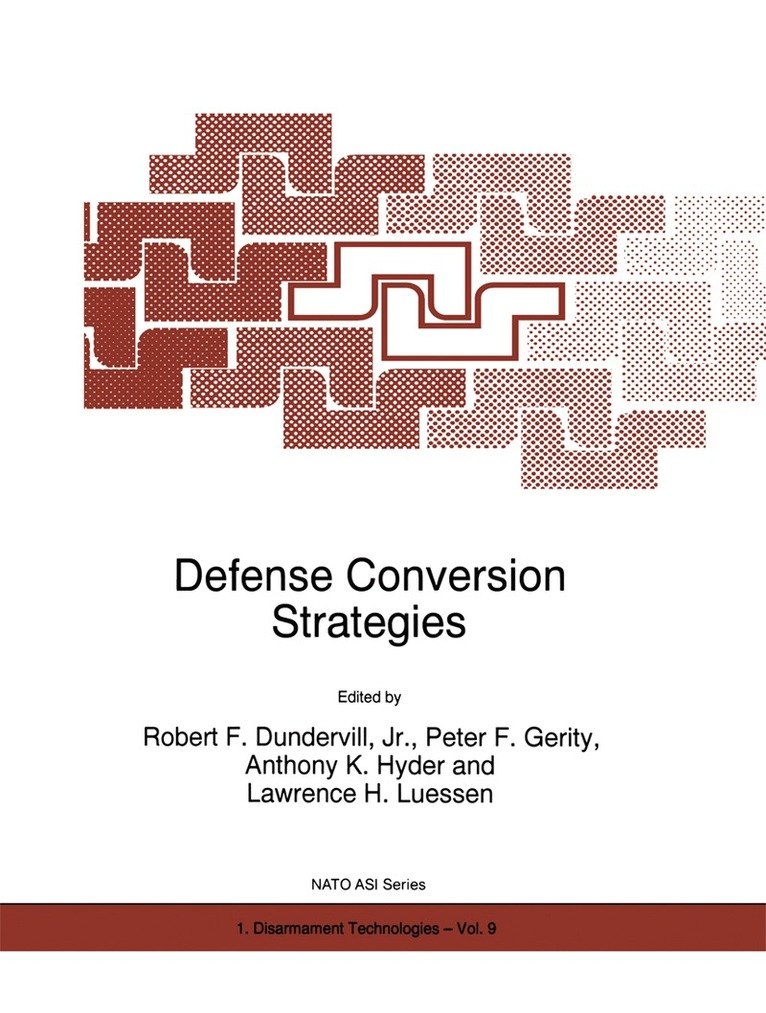
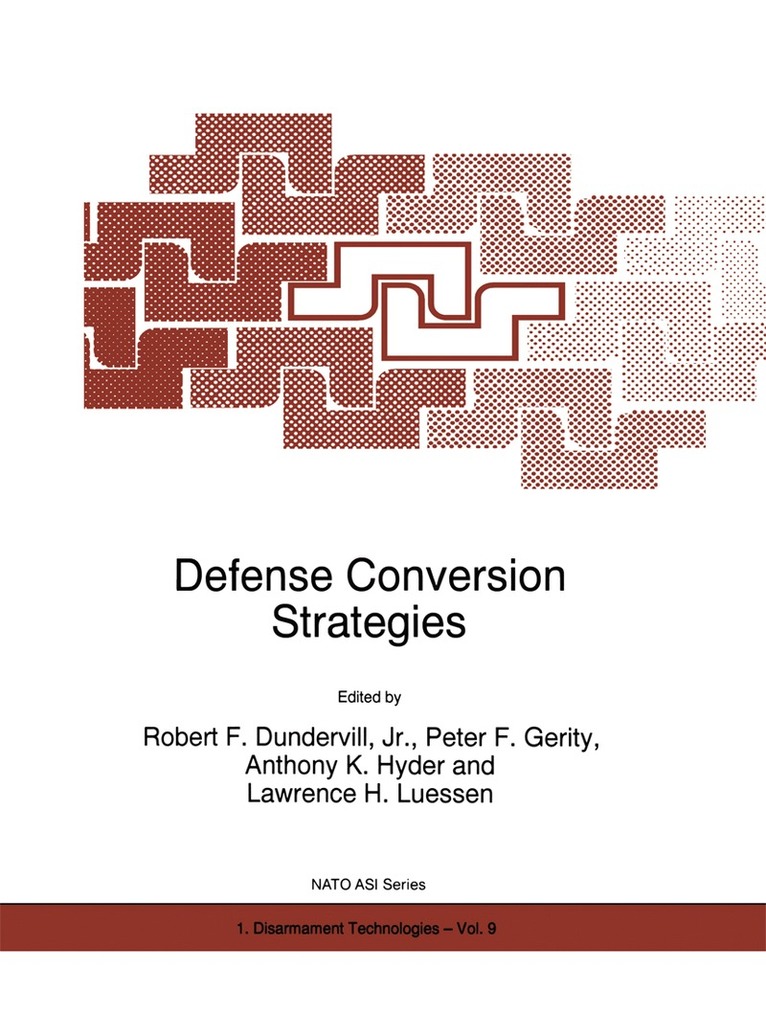
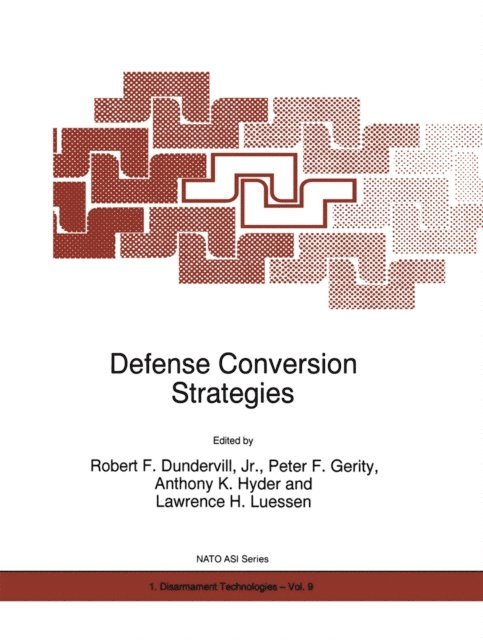
The world situation has witnessed dramatic changes in the recent past, and defence-related science and technology are coming under increasing pressure to demonstrate their ability to contribute added value to national and international economies. But defence conversion is complicated by the absence of tested principles and there is no formal training to facilitate the conversion process. As a result, such factors as long-term implications for defence together with a broad range of issues related to economic, political and social questions are not being adequately addressed. Governments and industries are searching for optimum strategies to guide the defence conversion process without benefit of either historical precedents as models or a complete understanding of the process itself. This book identifies and studies the elements of successful defence conversion strategies through a systematic analysis of the factors influencing them and the common features of specific national efforts. The book reflects a combination of theory and practical experience. national strategies are explored that stimulate the conversion of defence technologies to industrial capacity, global economic growth and stability, the preservation and enhancement of defence technology options, and the ability to capitalize on unique economic, political and social opportunities afforded by defense technology conversion.The nations of the former Soviet Union present a particular problem. In Russia, for instance, from 1990 to 1993 there was a 47% decline in industrial production and a 38% decrease in GNP. This clearly needs immediate action, but there are difficulties with the conversion processes, technology transfer and implementation of dual-use strategies. While many of these issues are generic to the process, there are national and cultural difficulties. At a time of unprecedented global political and economic instability, the collective knowledge and experience of NATO and its Cooperation Partners will be essential to the successful conversion of defense production capabilities to economic tools that can contribute to universal economic equilibrium and prosperity.
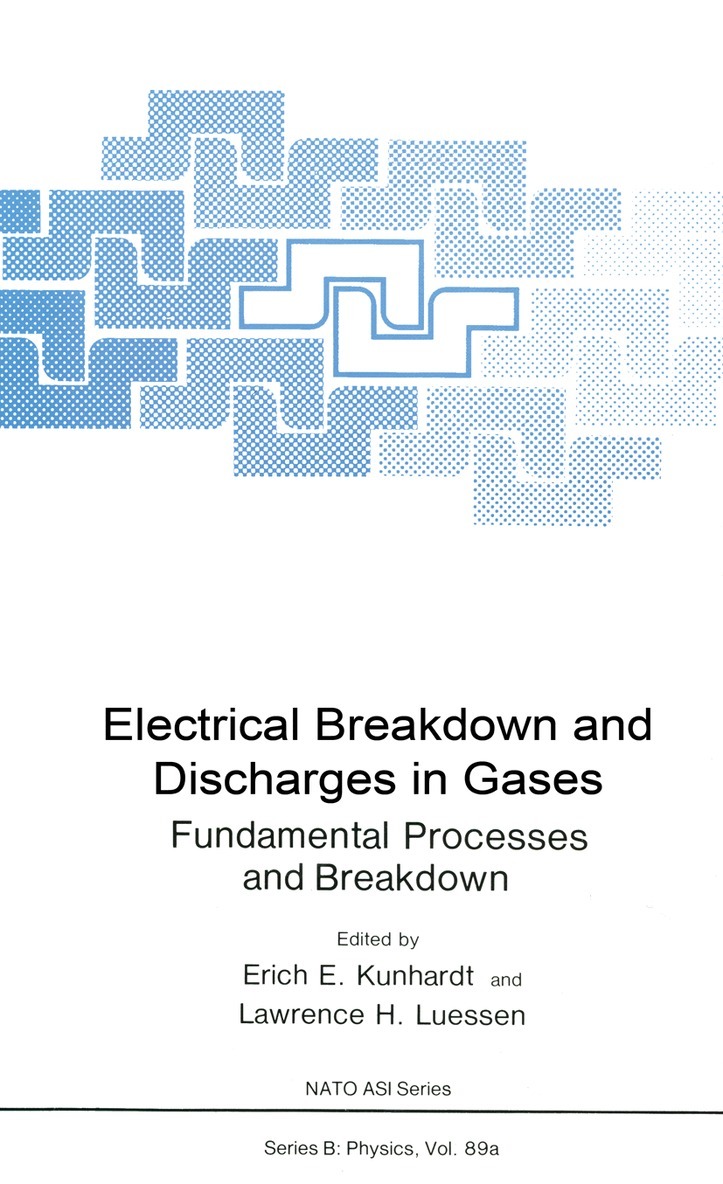
Electrical Breakdown and Discharges in Gases
Part A Fundamental Processes and Breakdown
Häftad, Engelska, 2013
534 kr
Skickas inom 10-15 vardagar
The Advanced Study Institute on Breakdown and Discharges in Gases was held in Les Arcs, France, June 28 to July 10, 1981. The object of the Institute was to provide a broad but compre hensive presentation of the various topics in the field of Gaseous electronics. To achieve this goal, a number of lectures, seminars, and panel discussions were scheduled. Each topic was developed by two tutorial and/or review lectures, and brought to the present state of the topic by seminars and panel discussions. The program of topics and speakers was selected with the assistance of the advisory committee composed of: J. A. Rees, European Coordinator, England; M. Goldman, French Coordinator, France; A. H. Guenther, USA; M. Kristiansen, USA; and A. V. Phelps, USA. The most memorable aspect of the Institute was the sustained high interest of the faculty and participants for the two week period. The daily schedule was demanding: five hours of lectures, two hours of seminars and one of discussion. These sessions were often extended because of presentation by the participants of im proptu seminars. The discussions were intense. Majestic }10nt Blanc provided the backdrop for the lecture hall, and these surroundings and the weather contributed to the overall positive mood. It was a wonderful occasion. The lectures and seminars have been collected into two volumes.
534 kr
Skickas inom 10-15 vardagar
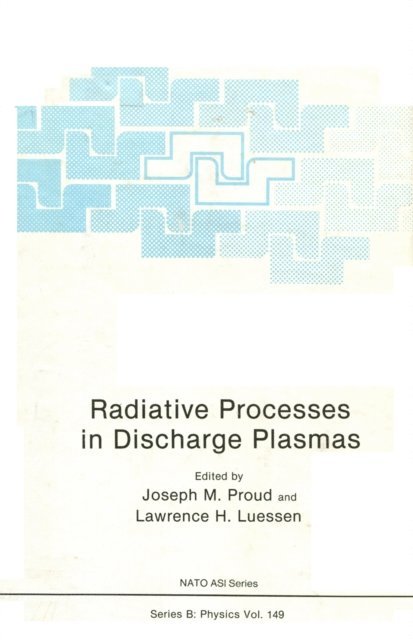
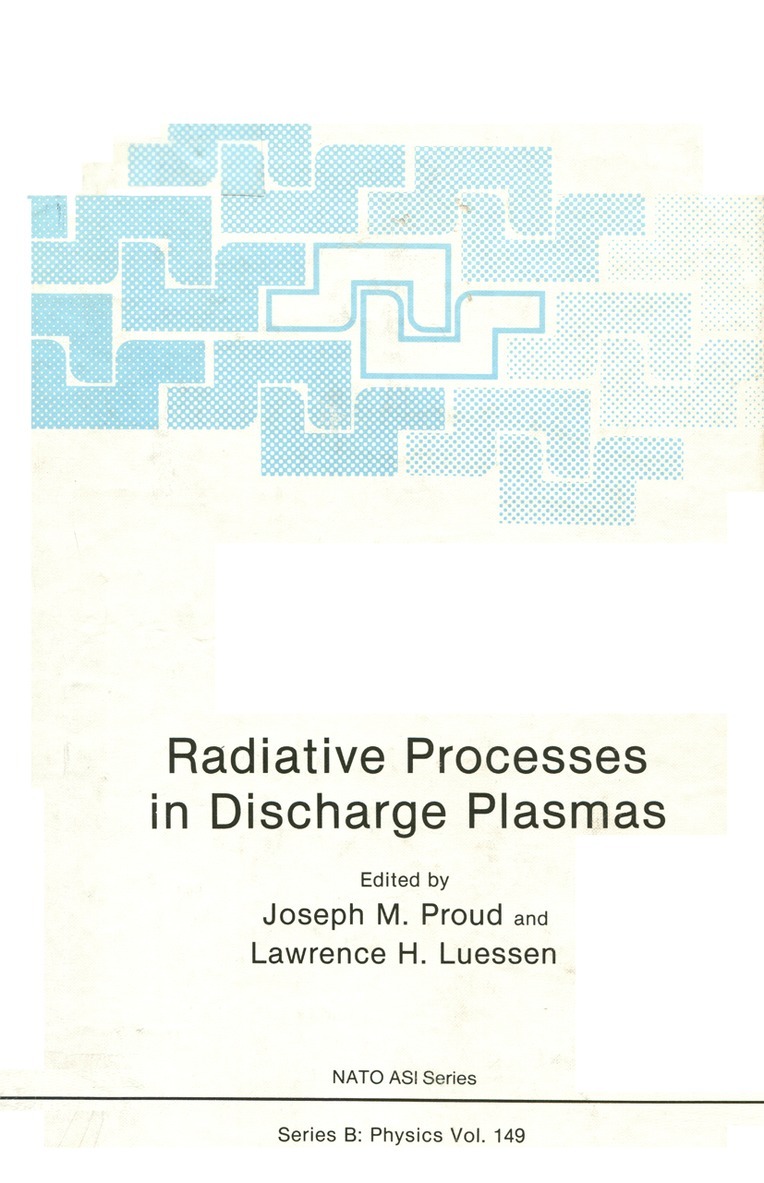
An Advanced Study Institute on Radiative Processes in Discharge Plasmas was held at the Atholl Palace Hotel, Pitlochry, Perthshire, Scotland, June 23 through July 5, 1985. This publication is the Pro- ceedings from that Institute. The Institute was attended by eighty-five Participants and Lecturers representing the United States, Canada, France, West Germany, Greece, The Netherlands, Portugal, Turkey, the United Kingdom, and Switzerland. A distinguished faculty of eighteen Lecturers was assembled and the topical program organized with the assistance of an Advisory Committee composed of: Dr. John Waymouth, USA; Dr. Timm Teich, Switzerland; Dr. Arthur Phelps, USA; Dr. Nicol Peacock, England; Professor Erich Kunhardt, USA; Dr. Anthony Hyder, USA; and Dr. Arthur Guenther, USA. The underlying theme and objective of the Institute was the enhance- ment of scientific communication and exchange among academic, industrial, and national laboratory groups having a common concern for radiative processes in discharge plasmas.The program was organized into four major sessions sequentially treating: the fundamental science of visible and near-visible radiation in plasmas; the technology of discharge light sources; recent and novel methods for the generation of plasmas; and an update on advances in laser-based diagnostics. Each major session culmi- nated in a panel discussion comprised of the Lecturers for that session.
Fast Electrical and Optical Measurements
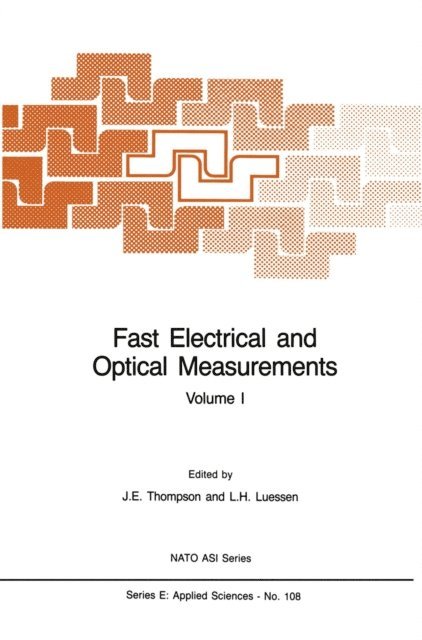
Volume 1 - Current and Voltage Measurements Volume 2 - Optical Measurements
Inbunden, Engelska, 1986
3 168 kr
Skickas inom 10-15 vardagar
Proceedings of the NATO Advanced Study Institute on Fast Electrical and Optical Diagnostic Principles and Techniques, Il Ciocco, Castelvecchio Pascoli, Italy, July 10-24, 1983
3 168 kr
Skickas inom 10-15 vardagar
The world situation has witnessed dramatic changes in the recent past and defense-related science and technology are coming under increasing pressure to demonstrate their ability to contribute added value to national and international economies. But defense conversion is complicated by the absence of tested principles and there is no formal training to facilitate the conversion process. As a result, such factors as long-term implications for defense together with a broad range of issues related to economic, political and social questions are not being adequately addressed. Governments and industries are searching for optimum strategies to guide the defense conversion process without benefit of either historical precedents as models or a complete understanding of the process itself. The present book identifies and studies the elements of successful defense conversion strategies through a systematic analysis of the factors influencing them and the common features of specific national efforts. The book reflects a combination of theory and practical experience.International strategies are explored that stimulate the conversion of defense technologies to industrial capacity, global economic growth and stability, the preservation and enhancement of defense technology options, and the ability to capitalize on unique economic, political and social opportunities afforded by defense technology conversion. The nations of the former Soviet Union present a particular problem. In Russia, for instance, from 1990 to 1993 there was a 47% decline in industrial production and a 38% decrease in GNP. This clearly needs immediate action, but there are difficulties with the conversion processes, technology transfer and implementation of dual-use strategies. While many of these issues are generic to the process, there are national and cultural difficulties. At a time of unprecedented global political and economic instability, the collective knowledge and experience of NATO and its Cooperation Partners will be essential to the successful conversion of defense production capabilities to economic tools that can contribute to universal economic equilibrium and prosperity.