Lawrence J Terlizzese – författare
Visar alla böcker från författaren . Handla med fri frakt och snabb leverans.
6 produkter
6 produkter
Häftad, Engelska, 2009
285 kr
Skickas inom 5-8 vardagar
Inbunden, Engelska, 2005
466 kr
Skickas inom 5-8 vardagar
Inbunden, Engelska, 2009
443 kr
Skickas inom 5-8 vardagar
Häftad, Engelska, 2005
338 kr
Skickas inom 5-8 vardagar
E-bok
PDF, Engelska, 2005505 kr
Läs direkt efter köp
"e;Hope expresses more than an area of concentration in Ellul's thought; it is the central idea that binds his disparate elements together. Ellul believed that at this moment of history, the world since 1945, hope must preoccupy our thinking and lives. "e;To understand hope we must first comprehend its absence. This entails discerning what causes the absence of hope, namely the world's embrace of technique and the abandonment of God. Ellul also rejected these as a positive affirmation. He wanted to make a firm distinction between reality and truth. He affirmed modern abandonment as a realistic fact, as an accurate analysis of the present condition, not as an affirmation of the truth. Hope is truth in Jesus Christ, but truth must be asserted against these harsh facts. He used facts to incite hope in believers, to shake their complacency and to realize their actual condition in the world . . . . The idea of hope in the thought of Jacques Ellul can only be properly understood in light of dialectic struggle between negatives, which amount to factual representations of the modern world, and positives, through which hope exerts itself in the face of these facts. From this tension will issue personal resolve. Technique has brought the world to great collective heights and achievements, but this has come at the expense of personal ends and meaning. Ellul attempted to bridge this gap by asserting individual meaning against the aggregated progress of technique without destroying the gains made by collective advance. This represents the central dilemma in Ellul's thought--how does one maintain meaning and personal aims in a world founded on corporate necessity?"e; --from the Introduction
E-bok
PDF, Engelska, 2009454 kr
Läs direkt efter köp
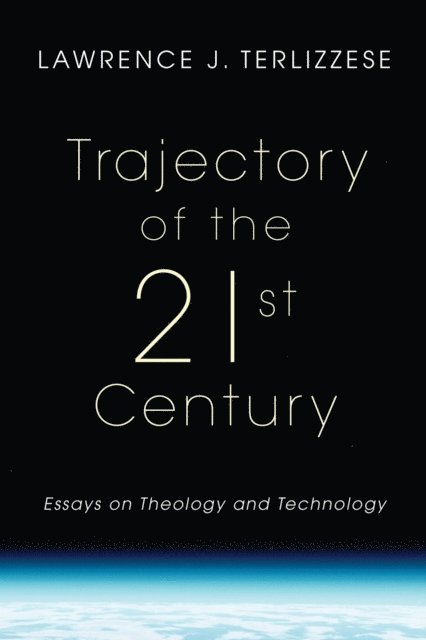
Trajectory of the Twenty-first Century explores what many prophets of the twentieth century, such as Oswald Spengler, Paul Tillich, Aldous Huxley, Jacques Ellul, and others, have predicted would transpire in the current century. Their vision included an out-of-control technological system and a return to religious sentiment that will ultimately undermine the system to which it is reacting. This book aims to accurately present their positions and draw certain logical conclusions from them that pertain to the course of history in our time. The book's theme argues that modernity is a secularized version of millennial Christianity, which reaches its fullest development in the twenty-first century and will regress into what Russian philosopher Nicholas Berdyaev called "e;the new Middle Ages"e; or a new religious period. This will mean the twilight of modern technological society, as its values of rationalism give way to a postrationalist society. Ironically, decline will come through further technological advance. Omnicide threatens through religious world war driven by transcendent values and modern weaponry. Jihadist thinking and posthumanist technology both establish the omnicidal mentatlity. New technologies such as genetic engineering and artificial intelligence created under millennial inspiration to reach for immortality could potentially bring an end to the human species either through a slow, steady obsolescence or through environmental catastrophe. The titanic forces of technological progress and regress are on a direct collision course in the twenty-first century.