
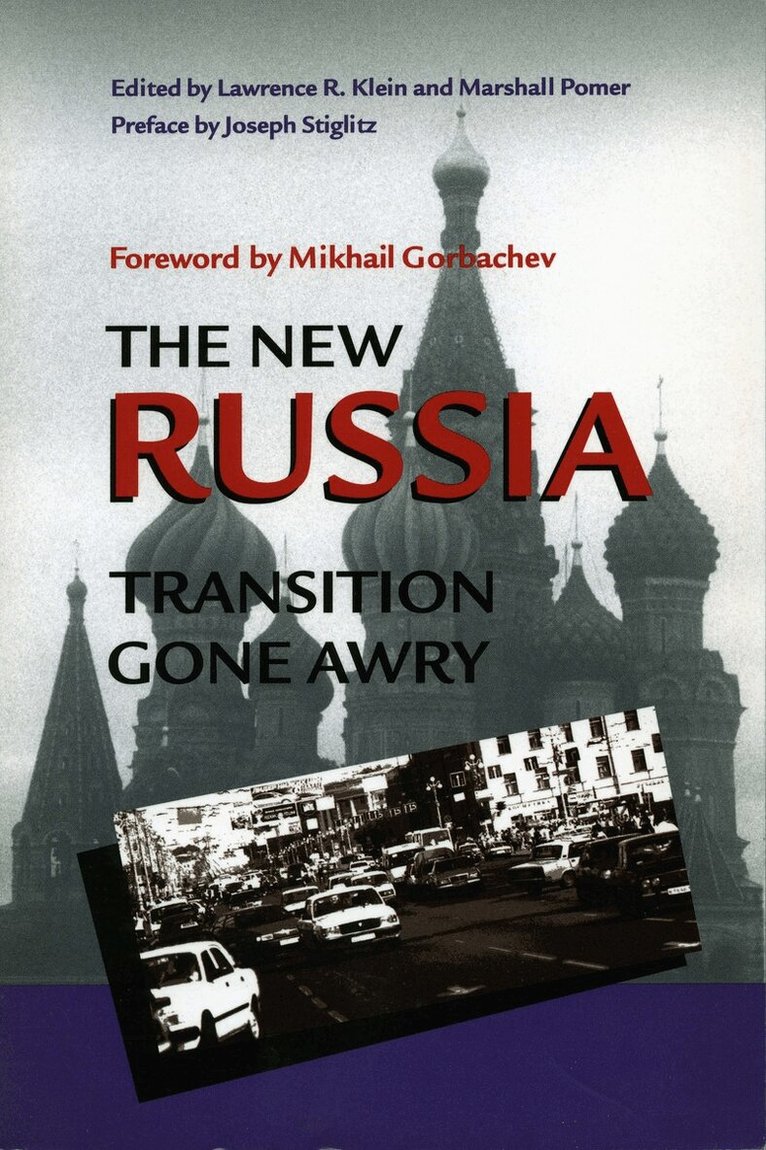
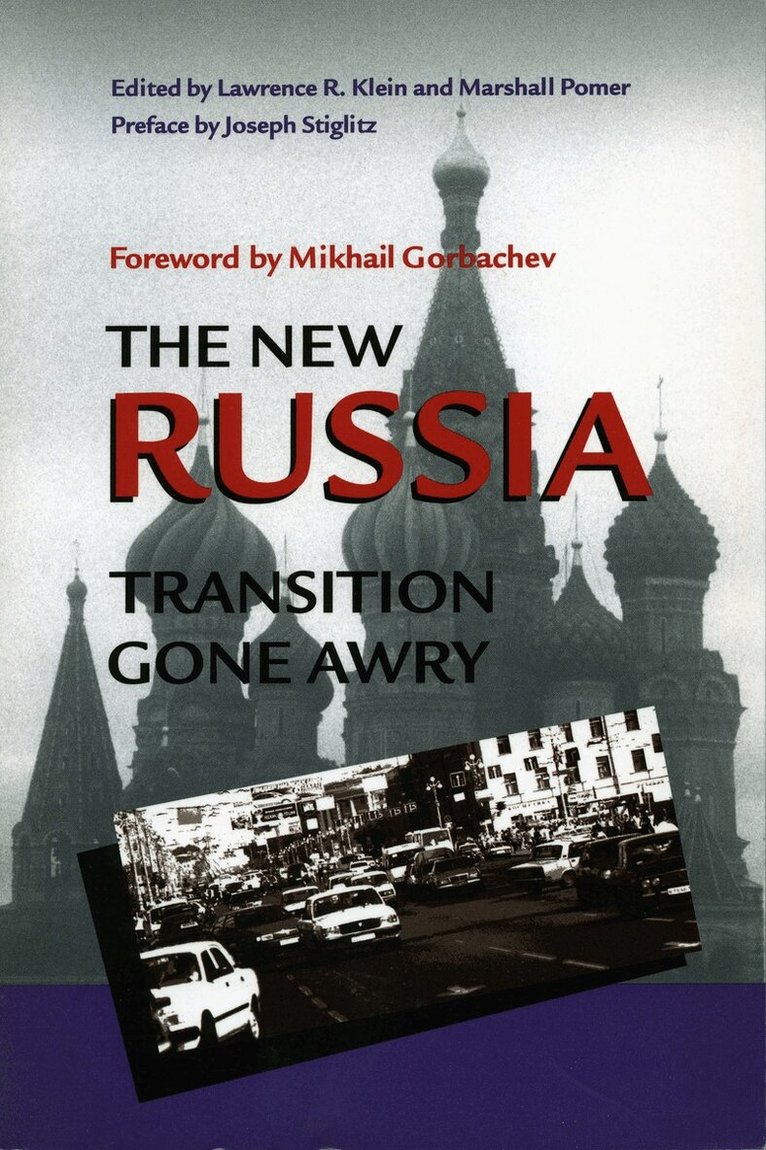
This book delivers an unpopular message: the West has played a pivotal role in the Russian economic disaster of the 1990s. Western advisors, including the International Monetary Fund and the U.S. Treasury, applied a narrow conception of economics that pushed Russia, after more than seventy years of communism, toward another failed utopia.The twenty-six contributions to this book are divided into three parts: theory, evidence, and policy. Part One directly challenges orthodox economic theory for obscuring the necessary role of government in creating and sustaining a market system and features essays by three Nobel laureates in economics—Kenneth J. Arrow, Lawrence R. Klein, and James Tobin. Part Two describes the dimensions of the economic crisis in Russia and presents a Russian perspective on the failure of shock therapy. Part Three presents policy recommendations, with special attention given to improving the integrity and administrative competence of the Russian government.
Del 1 - STUDIES IN APPLIED INTERNATIONAL ECONOMICS
This book covers two years of research activities associated with Project LINK, which is based on a model of the world economy, covering 79 countries or regional groupings of countries. Papers dealing with interesting thematic issues were carefully selected and expanded into full articles. The subjects studied by various LINK participants for reporting at annual meetings include exchange rate systems, international investment, environmental protection, international economic institutions, LINK system improvements, and international economic policy. As always, there are contributions dealing with methodological advances for world modeling.
This book delivers an unpopular message: the West has played a pivotal role in the Russian economic disaster of the 1990s. Western advisors, including the International Monetary Fund and the U.S. Treasury, applied a narrow conception of economics that pushed Russia, after more than seventy years of communism, toward another failed utopia.The twenty-six contributions to this book are divided into three parts: theory, evidence, and policy. Part One directly challenges orthodox economic theory for obscuring the necessary role of government in creating and sustaining a market system and features essays by three Nobel laureates in economics—Kenneth J. Arrow, Lawrence R. Klein, and James Tobin. Part Two describes the dimensions of the economic crisis in Russia and presents a Russian perspective on the failure of shock therapy. Part Three presents policy recommendations, with special attention given to improving the integrity and administrative competence of the Russian government.
Del 1 - STUDIES IN APPLIED INTERNATIONAL ECONOMICS
This book covers two years of research activities associated with Project LINK, which is based on a model of the world economy, covering 79 countries or regional groupings of countries. Papers dealing with interesting thematic issues were carefully selected and expanded into full articles. The subjects studied by various LINK participants for reporting at annual meetings include exchange rate systems, international investment, environmental protection, international economic institutions, LINK system improvements, and international economic policy. As always, there are contributions dealing with methodological advances for world modeling.