Lawrence M Kaplan – författare
Visar alla böcker från författaren Lawrence M Kaplan. Handla med fri frakt och snabb leverans.
8 produkter
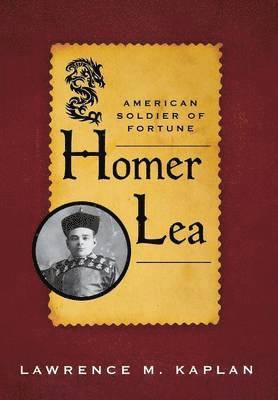
Homer Lea
American Soldier of Fortune
Inbunden, 2010
659 kr
Lägg i varukorg
As a five-feet-three-inch hunchback who weighed about 100 pounds, Homer Lea (1876--1912), was an unlikely candidate for life on the battlefield, yet he became a world-renowned military hero. Homer Lea: American Soldier of Fortune paints a revealing portrait of a diminutive yet determined man who …
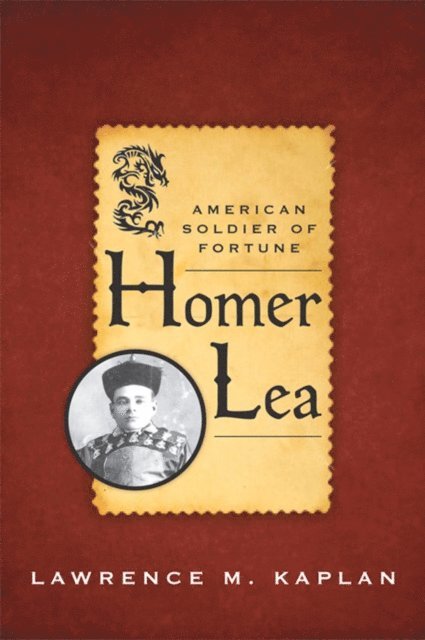
Homer Lea
American Soldier of Fortune
E-bok, 2010
649 kr
Lägg i varukorg
As a five-feet-three-inch hunchback who weighed about 100 pounds, Homer Lea (1876--1912), was an unlikely candidate for life on the battlefield, yet he became a world-renowned military hero. Homer Lea: American Soldier of Fortune paints a revealing portrait of a diminutive yet determined man who …
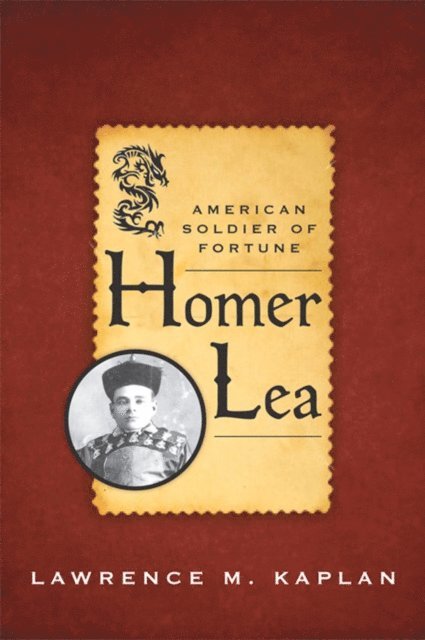
Homer Lea
American Soldier of Fortune
E-bok, 2010
235 kr
Lägg i varukorg
"The unlikely story of Lea''s attempts to train a cadre of soldiers in American Chinatowns who would return to their homeland to make it a modern world power." —Pacific Historical ReviewAs a five-feet-three-inch hunchback who weighed about 100 pounds, Homer Lea (1876–1912), was an unlikely …
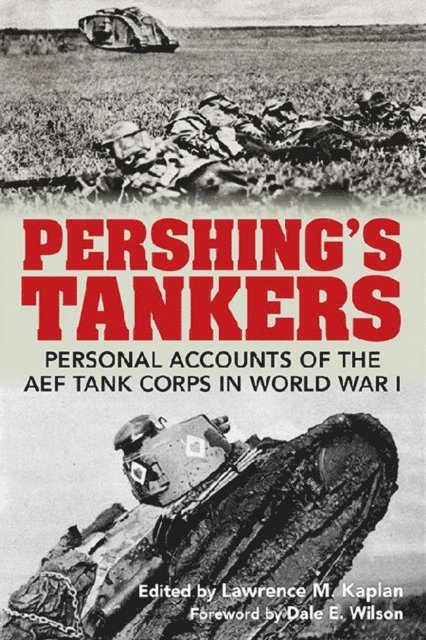
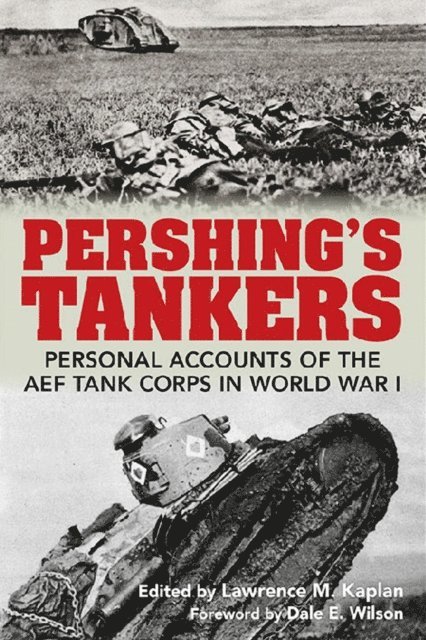
Pershing's Tankers
Personal Accounts of the AEF Tank Corps in World War I
E-bok, 2018
191 kr
Lägg i varukorg
"Compelling . . . highly recommended to students of the Great War or of armored force development." —The Journal of America''s Military Past After the United States declared war against Germany in April 1917, the US Army established the Tank Corps to help break the deadlock of trench warfare in …
Pershing's Tankers
Personal Accounts of the AEF Tank Corps in World War I
E-bok, 2018
630 kr
Lägg i varukorg
After the United States declared war against Germany in April 1917, the US Army established the Tank Corps to help break the deadlock of trench warfare in France during World War I. The army envisioned having a large tank force by 1919, but when the war ended in November 1918, only three tank …
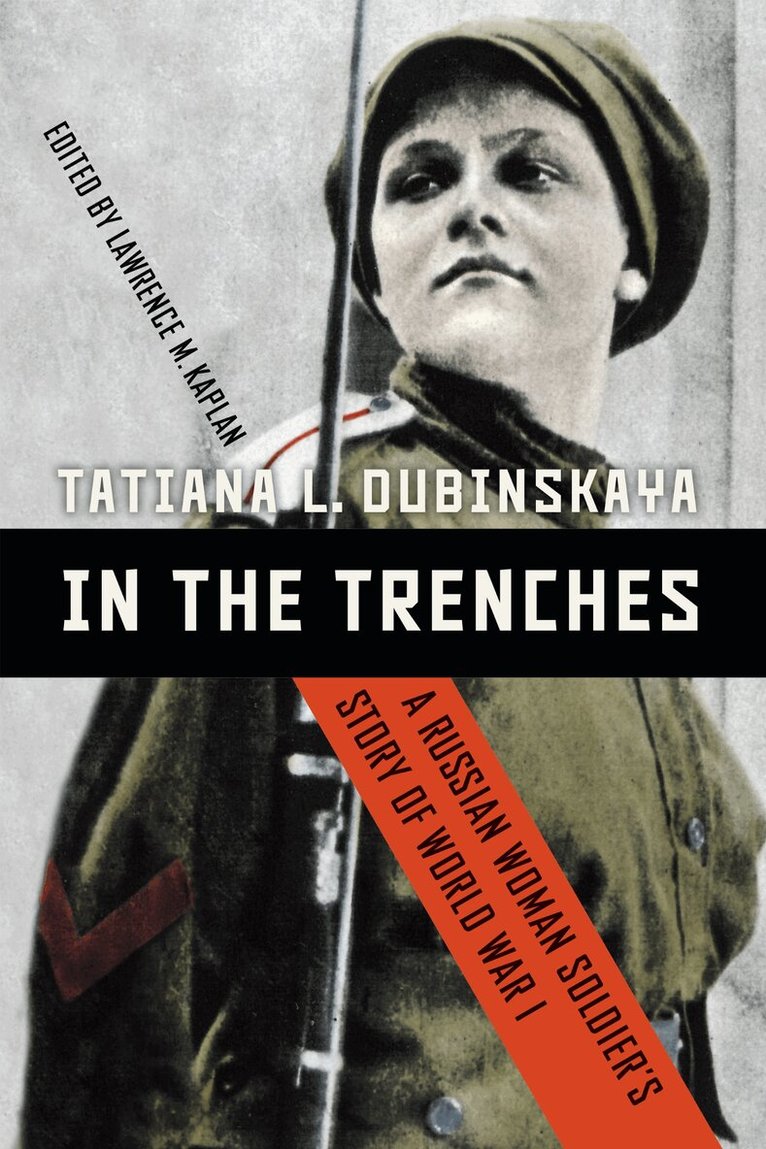
In the Trenches
A Russian Woman Soldier's Story of World War I
Av Tatiana L. Dubinskaya, Lawrence M. Kaplan
Häftad, 2020
316 kr
Lägg i varukorg
Tatiana L. Dubinskaya’s autobiographical novel of life in the Russian army marked the first major work published by a female World War I soldier in the Soviet Union. Often compared to All Quiet on the Western Front, Dubinskaya’s stark and unsparing story presents a rare look at women in combat and …
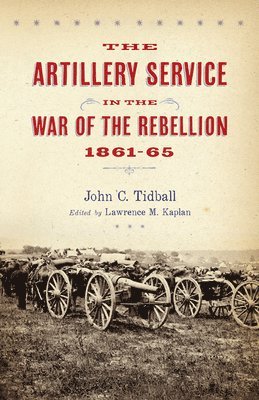
Artillery Service in the War of the Rebellion
Av John C. Tidball, Lawrence M. Kaplan
Inbunden, 2011
4,0 utav 5 stjärnor. Totalt antal röster: (1)
347 kr
Tillfälligt slut
The Artillery Service in the War of the Rebellion, 1861-65, is a comprehensive overview and analysis of the U.S. Army's field artillery service in the Civil War's principal battles, written by John C. Tidball, a distinguished artilleryman of the era. The overview, which appeared in the Journal of …