
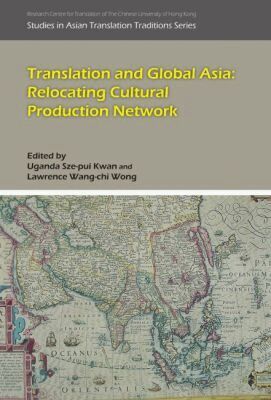
Translation and Global Asia: Relocating Cultural Production Network is a collection of conference papers from The Fourth Asian Translation Traditions Conference held in Hong Kong in 2010. The aim of the conference was to explore the richness and diversity of non-Western discourses and practices of translation, focusing on translational exchanges among non-Western languages and the changes and continuity in Asian translation traditions. The eleven papers selected from the sixty papers presented at the conference, then edited and revised, give insights into the translation traditions of various Asian countries. They cover topics such as literary translation, translation history, and translation and colonialism.
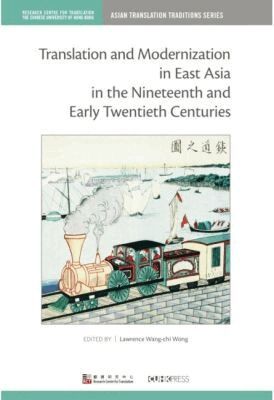
The present volume is a collection of selected papers of the international conference on Translation and Modernization in East Asia in the 19th and Early 20th Centuries, organised by the Research Centre for Translation (RCT), The Chinese University of Hong Kong in May 2013. The conference aimed at studying the role played by translation in the modernisation process of the East Asian countries. In the 19th and early 20th centuries, many people saw the West as a model for modernisation and hence modernisation in East Asia was more often than not taken as a process of learning from or even imitating the West. In this process, translation played a crucial role, when efforts were made to import Western ideas, knowledge, concepts and practices. The articles in this volume study and explain the various translation phenomena in the modernisation process of China, Korea and Japan.
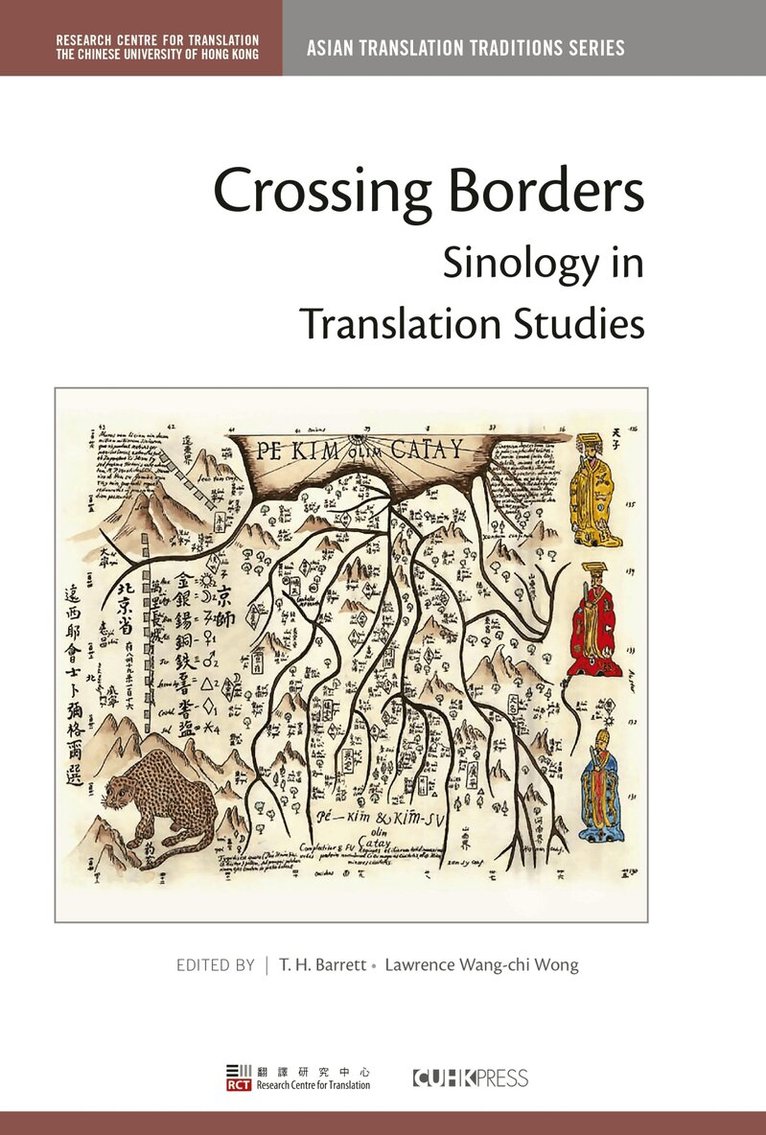
This edited volume investigates translations from the languages of China into the languages of Western societies, from the 17th to the 20th centuries. Rather than focusing solely on the activity of translation, the authors extend their explorations to cover the contexts within which the translators worked from different perspectives, touching on various aspects of the institutional and intellectual backgrounds that informed their writings. Studies of translation from literary Chinese into English constitute the majority of the contributions, but the volume is also illuminated by excursions into Latin, French and Italian, while the problems of translating the Naxi script are confronted as well. In addition, the wider context of the rendering of Chinese into other languages is explored through a survey of recent Japanese translation series. Throughout the volume, translation is presented not simply as a linguistic exercise but rather as a key element in world history, well worthy of further interdisciplinary investigation.
Translation and Global Asia: Relocating Cultural Production Network is a collection of conference papers from The Fourth Asian Translation Traditions Conference held in Hong Kong in 2010. The aim of the conference was to explore the richness and diversity of non-Western discourses and practices of translation, focusing on translational exchanges among non-Western languages and the changes and continuity in Asian translation traditions. The eleven papers selected from the sixty papers presented at the conference, then edited and revised, give insights into the translation traditions of various Asian countries. They cover topics such as literary translation, translation history, and translation and colonialism.
The present volume is a collection of selected papers of the international conference on Translation and Modernization in East Asia in the 19th and Early 20th Centuries, organised by the Research Centre for Translation (RCT), The Chinese University of Hong Kong in May 2013. The conference aimed at studying the role played by translation in the modernisation process of the East Asian countries. In the 19th and early 20th centuries, many people saw the West as a model for modernisation and hence modernisation in East Asia was more often than not taken as a process of learning from or even imitating the West. In this process, translation played a crucial role, when efforts were made to import Western ideas, knowledge, concepts and practices. The articles in this volume study and explain the various translation phenomena in the modernisation process of China, Korea and Japan.
This edited volume investigates translations from the languages of China into the languages of Western societies, from the 17th to the 20th centuries. Rather than focusing solely on the activity of translation, the authors extend their explorations to cover the contexts within which the translators worked from different perspectives, touching on various aspects of the institutional and intellectual backgrounds that informed their writings. Studies of translation from literary Chinese into English constitute the majority of the contributions, but the volume is also illuminated by excursions into Latin, French and Italian, while the problems of translating the Naxi script are confronted as well. In addition, the wider context of the rendering of Chinese into other languages is explored through a survey of recent Japanese translation series. Throughout the volume, translation is presented not simply as a linguistic exercise but rather as a key element in world history, well worthy of further interdisciplinary investigation.