Laxman Gnawali – författare
Visar alla böcker från författaren Laxman Gnawali. Handla med fri frakt och snabb leverans.
3 produkter
3 produkter
Inbunden, Engelska, 2025
3 279 kr
Skickas inom 10-15 vardagar
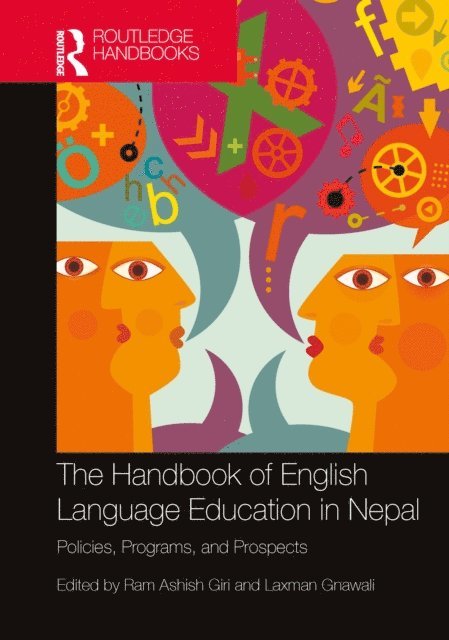
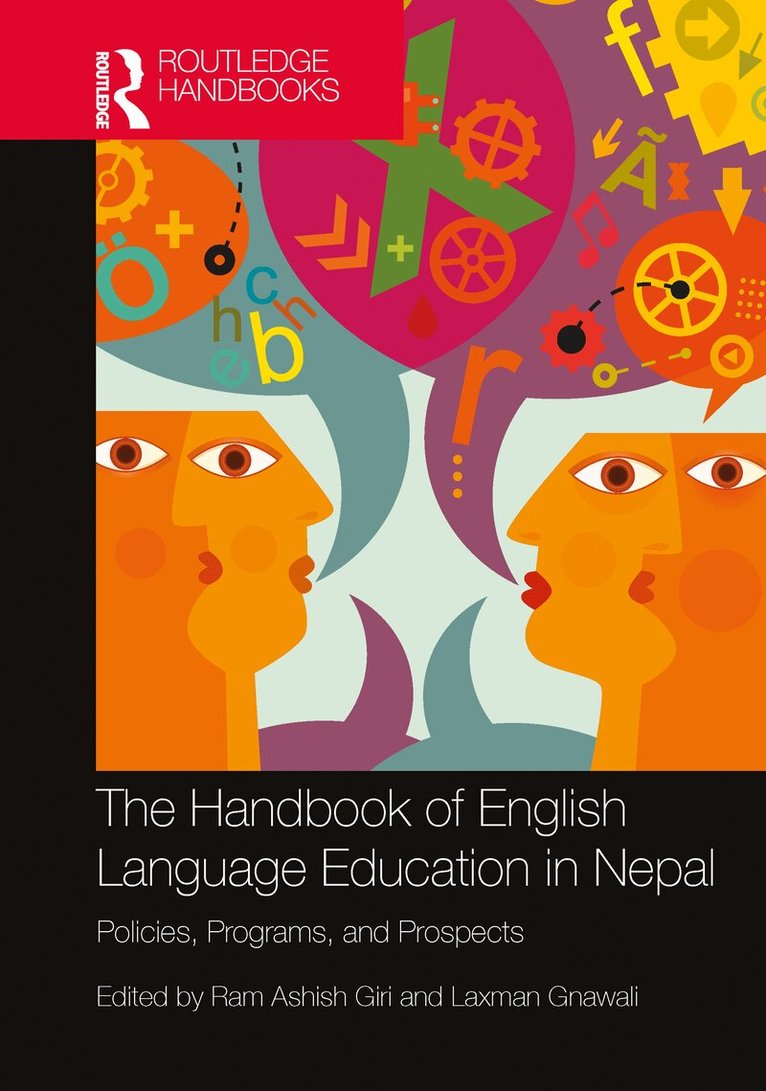
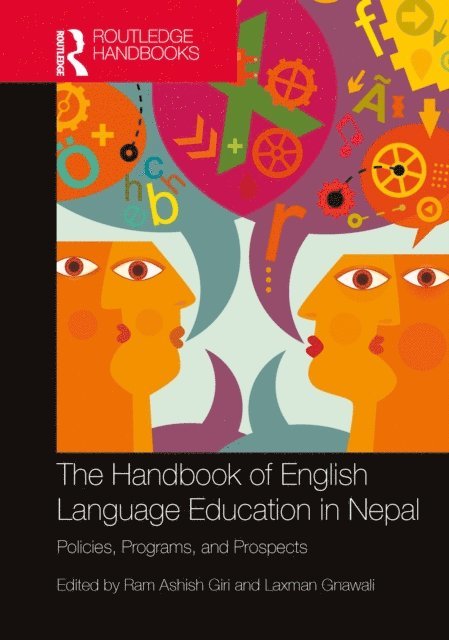
This book takes an interdisciplinary approach to explore wide-ranging topics from applied linguistics, education, sociology, political science, and cultural studies. It presents a comprehensive overview of English language education since its importation to Nepal.This volume covers English language education (ELE) politics and policy, theories and pedagogies, English as a medium of instruction, English teachers’ professional development, multilingualism and linguistic ecology, perspectives on equity, diversity and inclusion, as well as ELT and technology. Comprising scholarly discussions on emerging ELE issues in contemporary Nepal, the chapters explore various aspects of theoretical, and pedagogical considerations of ELE. While delving into the growing future of English in Nepal, it also presents analytical case studies of its controversial present and past practices. It sheds light on its development, shifting paradigms and present state of affairs, as well as the status of English in conjunction with the national language, Nepali and other Indigenous languages.This book will be useful to students, researchers and teachers of education, linguistics, and teacher training institutions. It will be an essential read for those involved in English language education, applied linguistics, EIL/WE/ELF, ESL/TESOL/ELT and TEFL, as well as for teachers, teacher educators, teacher trainees and international aid organisations.
Häftad, Engelska, 2026
716 kr
Kommande
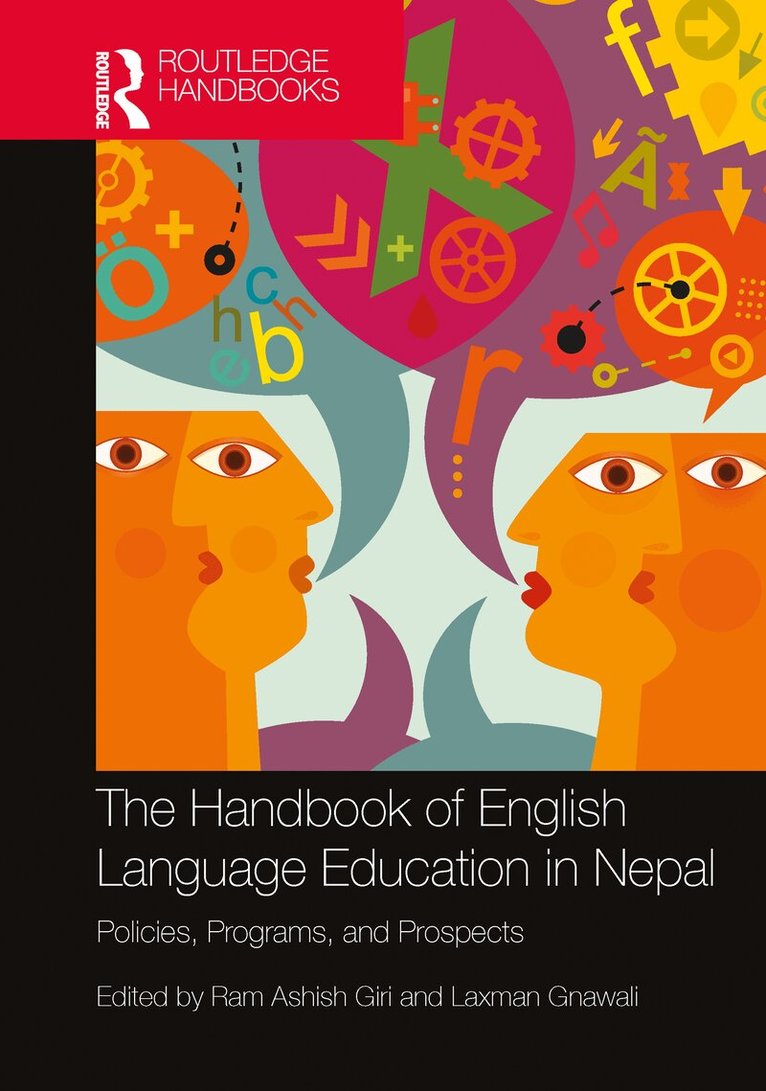
This book takes an interdisciplinary approach to explore wide-ranging topics from applied linguistics, education, sociology, political science, and cultural studies. It presents a comprehensive overview of English language education since its importation to Nepal.This volume covers English language education (ELE) politics and policy, theories and pedagogies, English as a medium of instruction, English teachers’ professional development, multilingualism and linguistic ecology, perspectives on equity, diversity and inclusion, as well as ELT and technology. Comprising scholarly discussions on emerging ELE issues in contemporary Nepal, the chapters explore various aspects of theoretical, and pedagogical considerations of ELE. While delving into the growing future of English in Nepal, it also presents analytical case studies of its controversial present and past practices. It sheds light on its development, shifting paradigms and present state of affairs, as well as the status of English in conjunction with the national language, Nepali and other Indigenous languages.This book will be useful to students, researchers and teachers of education, linguistics, and teacher training institutions. It will be an essential read for those involved in English language education, applied linguistics, EIL/WE/ELF, ESL/TESOL/ELT and TEFL, as well as for teachers, teacher educators, teacher trainees and international aid organisations.
Inbunden, Engelska, 2026
1 871 kr
Kommande
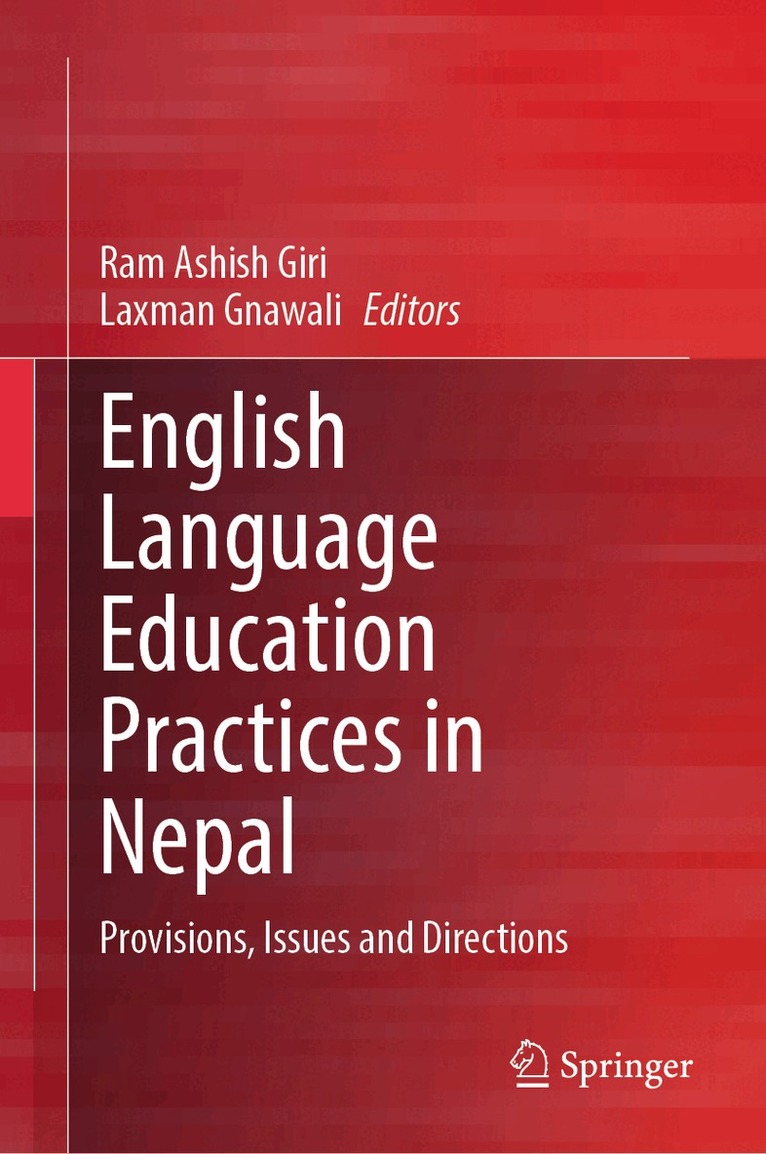
This book provides a comprehensive analysis of English language education (ELE) practices since its adaptation into formal education seven decades ago in Nepal. It serves as a compilation of empirical studies on all aspects of Nepalese ELE practices from hand-picked scholars, and presents a description of the current state of affairs of Nepalese ELE practices.It articulates the concerns and challenges that English language practitioners face between the theoretical standpoints and their implicational concerns in relation to the practice of English, and showcases the diverse states and practices of ELE. Written around practice themes and contexts in which the Nepalese ELE is most resilient, the chapters reveal evolving perspectives and practices adopted by English Language Teaching (ELT) practitioners in their respective contexts.This book serves as a useful resource for teachers, teacher trainers, researchers, policymakers, and other stakeholders who are involved in ELE. It is also a helpful guide for mobile practitioners who teach or plan to teach across international geographical boundaries.