Leandro Losada – författare
Visar alla böcker från författaren Leandro Losada. Handla med fri frakt och snabb leverans.
4 produkter
4 produkter
Inbunden, Engelska, 2023
1 186 kr
Skickas inom 7-10 vardagar
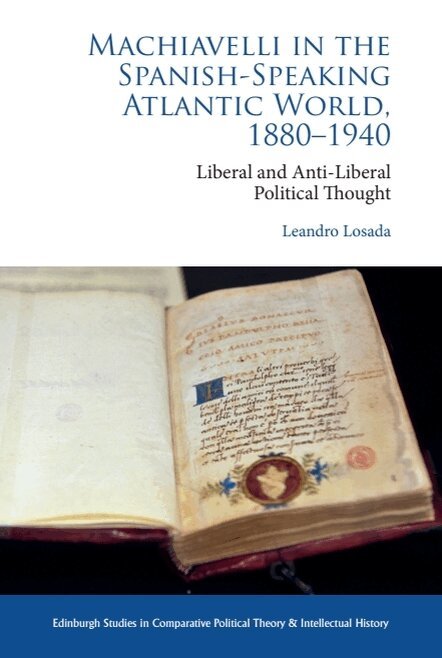
Explores the reception of Machiavelli's works in modern Latin America and Spanish-speaking political thought between 1880 and 1940Offers the first systematic research on Machiavelli in Spanish-Speaking political thought Compares the reception of Machiavelli between the Spanish-Speaking and English-Speaking Atlantic worldsFocuses on two main periods: 1880-1914 and 1914-1940Reinterprets the history of liberalism and anti- liberalism bringing both schools of thought into dialogueCombining historiography and political theory, this book compares different strands of Machiavelli's reception in South and North America, and between Hispanic America and Spain. It provides new insight into Machiavelli's writings and how they have been read in different contexts. The book analyses these readings focusing on some specific themes including: the relationship between politics and morals; the links between political power and freedom; debates about political realism; reflections on liberalism and republicanism; and conceptions of time and history. The book argues that Machiavelli had a significant impact on both liberal and anti-liberal authors from Argentina and Spain. For liberals, he represented a synonym of tyranny but also, in opposite way, he had offered a synthesis between republicanism and liberalism. For anti-liberals, he was associated with Modernity and liberalism.
Häftad, Engelska, 2024
341 kr
Skickas inom 7-10 vardagar
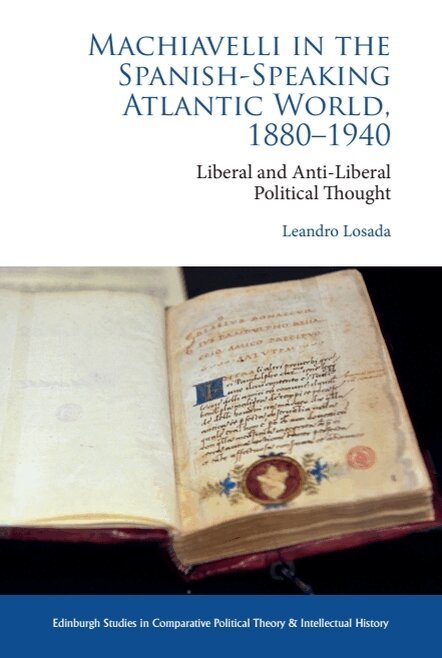
Combining historiography and political theory, this book compares different strands of Machiavelli’s reception in South and North America, and between Hispanic America and Spain. It provides new insight into Machiavelli's writings and how they have been read in different contexts. The book analyses these readings focusing on some specific themes including: the relationship between politics and morals; the links between political power and freedom; debates about political realism; reflections on liberalism and republicanism; and conceptions of time and history. The book argues that Machiavelli had a significant impact on both liberal and anti-liberal authors from Argentina and Spain. For liberals, he represented a synonym of tyranny but also, in opposite way, he had offered a synthesis between republicanism and liberalism. For anti-liberals, he was associated with Modernity and liberalism.
E-bok
PDF, Spanska, 202358 kr
Läs direkt efter köp
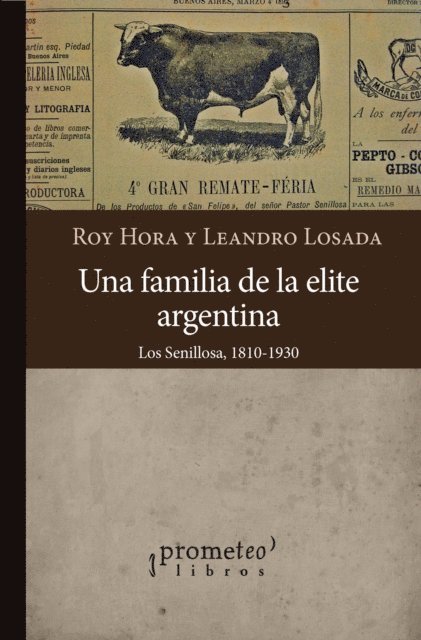
Este libro ofrece el primer estudio en profundidad de una gran familia de la elite argentina del largo siglo xix, el período en el que el poder y la influencia de este grupo se encontraban en su punto más alto. Explora la historia de los Senillosa -y a través de ella, del mundo social al que éstos pertenecían- en múltiples planos: economía y política, sociedad y cultura. Así, estudia de qué manera organizaron y administraron sus negocios, cuál era su lugar en la vida pública y cuáles sus ideas sobre el Estado y la política. También analiza su mundo privado y, en particular, el conjunto de prácticas e ideas asociados al matrimonio y la familia, a los roles desempeñados por jóvenes y adultos, hombres y mujeres. Por último, estudia de qué manera los Senillosa participaban en la vida social. Atento a las singularidades de un caso familiar tanto como a los aspectos más generales de la experiencia colectiva de los grupos de poder y posición, este estudio magistral nos ofrece una imagen vívida y renovada de la naturaleza y la trayectoria de la elite argentina.
136 kr
Läs direkt efter köp
¿Qué fue el liberalismo argentino? ¿Sarmiento y la escuela pública? ¿Juan Bautista Alberdi y la Constitución? ¿La generación del 80 y las leyes laicas? En todo caso, ¿cuál Alberdi? ¿El que proponía, parafraseando a Bolívar, monarcas con el nombre de presidentes, o el que afirmaba que la omnipotencia del Estado era la negación de la libertad individual? ¿Cuál Sarmiento? ¿El crítico implacable de la sociedad criolla o el referente de una democracia de farmers? Así planteadas, estas preguntas, y otras afines, conducen a un uso político de la historia que hace del liberalismo una tradición a elogiar o repudiar. Este libro propone otra cosa: pensar las circunstancias históricas de aparición del liberalismo en la Argentina del siglo XIX e identificar sus características doctrinarias y políticas, como clave para comprender los problemas de la democracia liberal en nuestro país. Lejos de contraponer banalmente historia y política, se trata de entender al liberalismo como una tradición en disputa. Y esto es así por su naturaleza eminentemente política.