Lee Palmer Wandel – författare
Visar alla böcker från författaren Lee Palmer Wandel. Handla med fri frakt och snabb leverans.
13 produkter
13 produkter
439 kr
Skickas inom 5-8 vardagar
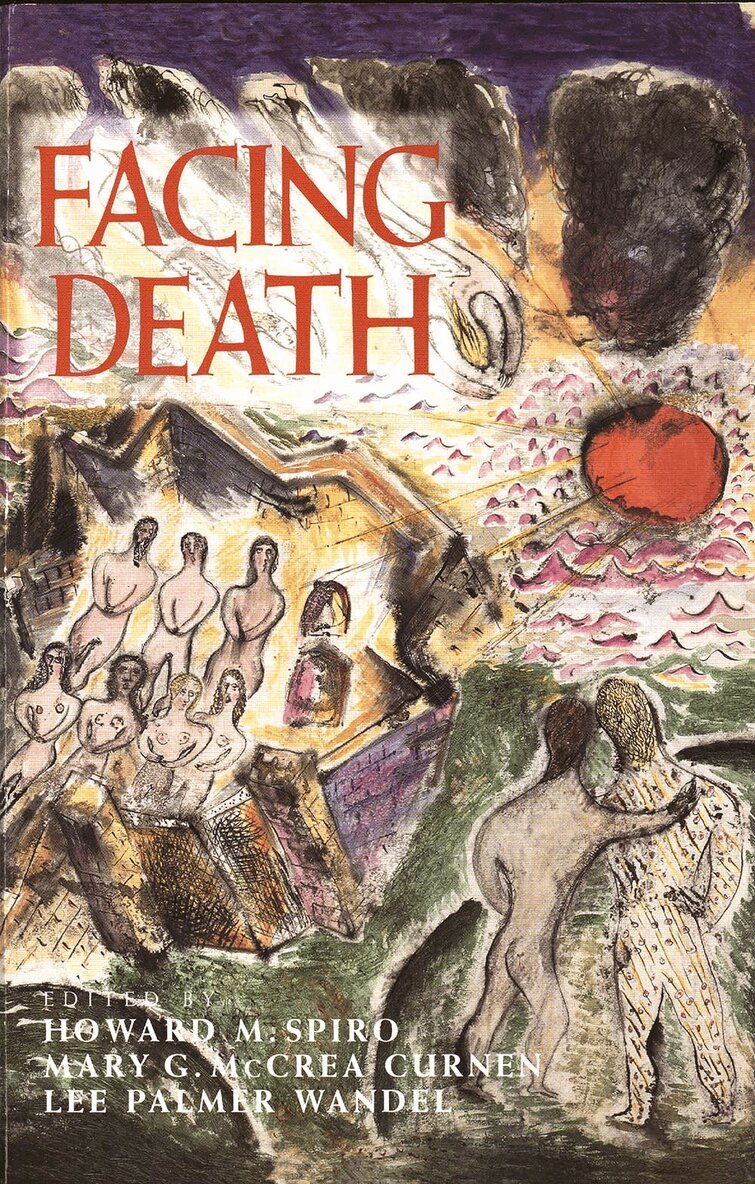
We have learned a great deal in recent years about keeping death at bay through medical technology. We are less well informed, however, about how to face death and how to understand or articulate the emotional and spiritual needs of the dying. This profound and eloquent book brings together medical experts and distinguished authorities in the humanities to reflect on medical, cultural, and religious responses to death. The book helps both medical personnel and patients to view death less as an adversary and more as a defining part of life.In the first half of the book, physicians and the founder of Connecticut Hospice discuss the current clinical setting for dying, with attempts to find the balance between alleviating suffering and providing life support, the problem of finding a peaceful death, and the differences the AIDS epidemic has made in our attitudes toward dying. In the second half of the book, theologians, historians of religion, anthropologists, literary scholars, and pastors describe Christian, Judaic, Islamic, Hindu, and Chinese perceptions of death and rituals of mourning. An epilogue considers the resonances between medicine and the humanities, as well as the essential differences in their approaches to death.Prepared under the auspices of The Program for Humanities in Medicine, Yale University School of Med
857 kr
Skickas inom 7-10 vardagar
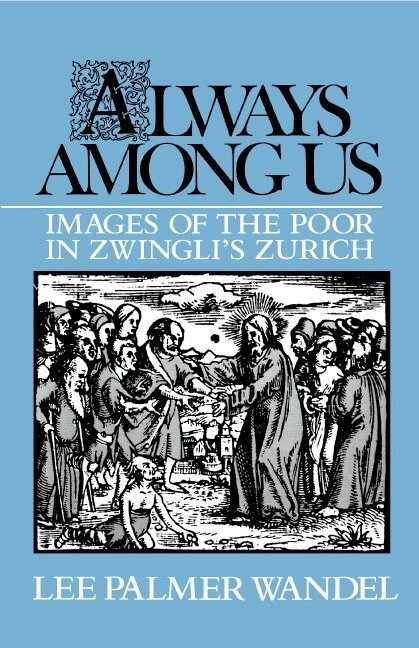
In this elegantly written book, Lee Wandel discusses the relationship between the reform of poor relief and the Protestant Reformation in early sixteenth-century Zurich. In the introduction she traces the various ways that poverty had been evaluated, and its social and religious connotations, up to the sixteenth century. The first chapter provides a portrait of sixteenth-century Zurich. The next three chapters explore the discussion of the poor in various media of the town. The second chapter examines the sermons and pamphlets of Huldrych Zwingli, who was preaching that the poor were the true images of God. The third chapter addresses printed images depicting Christ calling beggars and other poor folk to Him, which appeared on title pages of Zwingli's pamphlets. The fourth chapter turns to the language of legislation, and in particular the poor ordinances of 1520 and 1525.
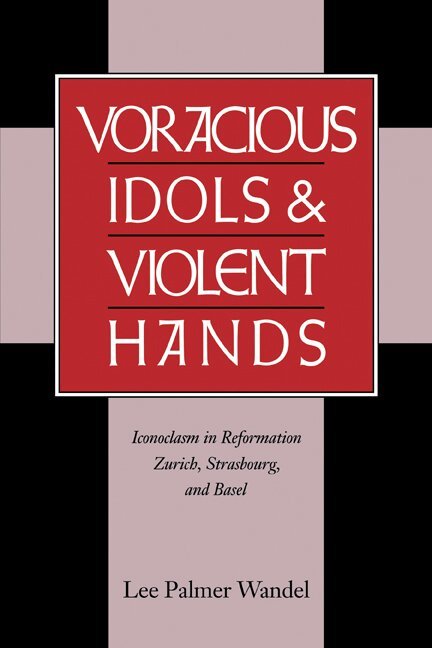
Voracious Idols and Violent Hands
Iconoclasm in Reformation Zurich, Strasbourg, and Basel
Inbunden, Engelska, 1994
1 342 kr
Skickas inom 7-10 vardagar
This 1995 book is an effort to recover the participation of ordinary Christians in the enterprise of Reformation through an exploration of the meaning of acts of iconoclasm: what they tell us about the role of images in Christianity and about ordinary people's theologies. Its focus, on ordinary Christians, distinguishes it from other studies of Reformation iconoclasm. Its concern, to recover their agency in Reformation and to discern their theology in acts, may be of interest to scholars in American history, anthropology, and religious studies. Its analysis of images in Christianity will be of interest to art historians.
466 kr
Skickas inom 7-10 vardagar
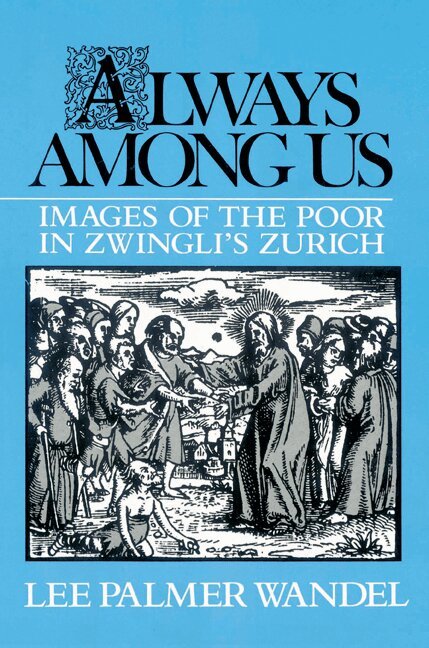
In this elegantly written book, Lee Wandel discusses the relationship between the reform of poor relief and the Protestant Reformation in early sixteenth-century Zurich. In the introduction she traces the various ways that poverty had been evaluated, and its social and religious connotations, up to the sixteenth century. The first chapter provides a portrait of sixteenth-century Zurich. The next three chapters explore the discussion of the poor in various media of the town. The second chapter examines the sermons and pamphlets of Huldrych Zwingli, who was preaching that the poor were the true images of God. The third chapter addresses printed images depicting Christ calling beggars and other poor folk to Him, which appeared on title pages of Zwingli's pamphlets. The fourth chapter turns to the language of legislation, and in particular the poor ordinances of 1520 and 1525.
Voracious Idols and Violent Hands
Iconoclasm in Reformation Zurich, Strasbourg, and Basel
Häftad, Engelska, 1999
330 kr
Skickas inom 7-10 vardagar
This 1995 book is an effort to recover the participation of ordinary Christians in the enterprise of Reformation through an exploration of the meaning of acts of iconoclasm: what they tell us about the role of images in Christianity and about ordinary people's theologies. Its focus, on ordinary Christians, distinguishes it from other studies of Reformation iconoclasm. Its concern, to recover their agency in Reformation and to discern their theology in acts, may be of interest to scholars in American history, anthropology, and religious studies. Its analysis of images in Christianity will be of interest to art historians.
355 kr
Skickas inom 7-10 vardagar
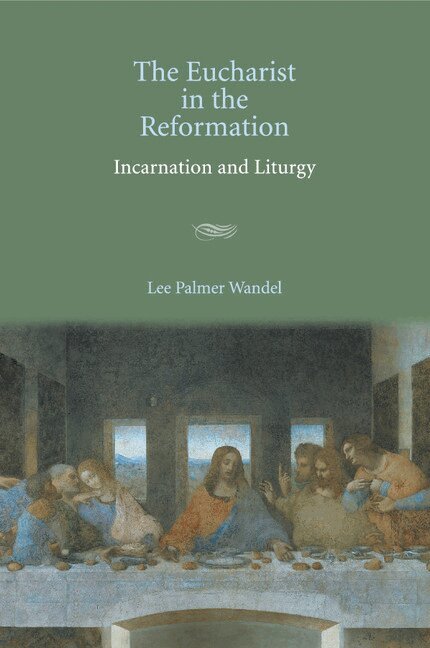
The Eucharist in the Reformation: Incarnation and Liturgy takes up the words, 'this is my body', 'this do', and 'remembrance of me' that divided Christendom in the sixteenth century. It traces the different understandings of these simple words and the consequences of those divergent understandings in the delineation of the Lutheran, Reformed, and Catholic traditions: the different formulations of liturgy with their different conceptualizations of the cognitive and collective function of ritual; the different conceptualizations of the relationship between Christ and the living body of the faithful; the different articulations of the relationship between the world of matter and divinity; and the different epistemologies. It argues that the incarnation is at the center of the story of the Reformation and suggests how divergent religious identities were formed.
330 kr
Skickas inom 7-10 vardagar
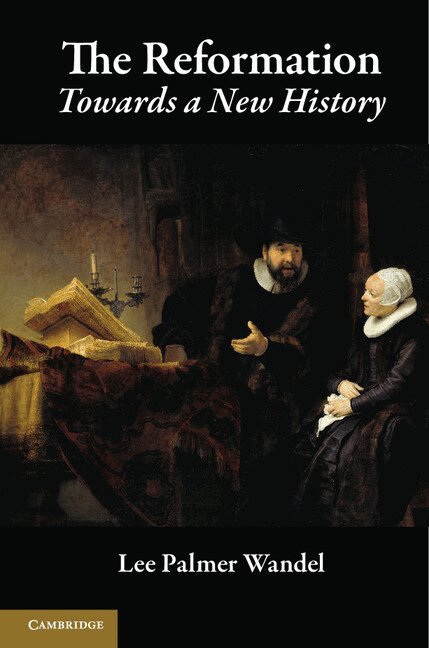
This book recasts the story of the Reformation by bringing together two histories: the Encounter between Europe and the western hemisphere beginning in 1492; and the fragmentation of European Christendom in the sixteenth century. In so doing, it restores resonance to 'idolatry', 'cannibal', 'barbarian', even as it moves past such polemics to trace multiple understandings of divinity, matter and human nature. So many aspects of human life, from marriage and family through politics to ways of thinking about space and time, were called into question. Debates on human nature and conversion forged new understandings of religious identity. Debates on the relationship of humanity to the material world forged new understandings of image and ritual, new understandings of physics. By the end of the century, there was not one 'Christian religion', but many, and many understandings of the Christian in the world.
544 kr
Tillfälligt slut
The Eucharist in the Reformation: Incarnation and Liturgy takes up the words, 'this is my body', 'this do', and 'remembrance of me' that divided Christendom in the sixteenth century. It traces the different understandings of these simple words and the consequences of those divergent understandings in the delineation of the Lutheran, Reformed, and Catholic traditions: the different formulations of liturgy with their different conceptualizations of the cognitive and collective function of ritual; the different conceptualizations of the relationship between Christ and the living body of the faithful; the different articulations of the relationship between the world of matter and divinity; and the different epistemologies. It argues that the incarnation is at the center of the story of the Reformation and suggests how divergent religious identities were formed.
1 251 kr
Skickas inom 7-10 vardagar
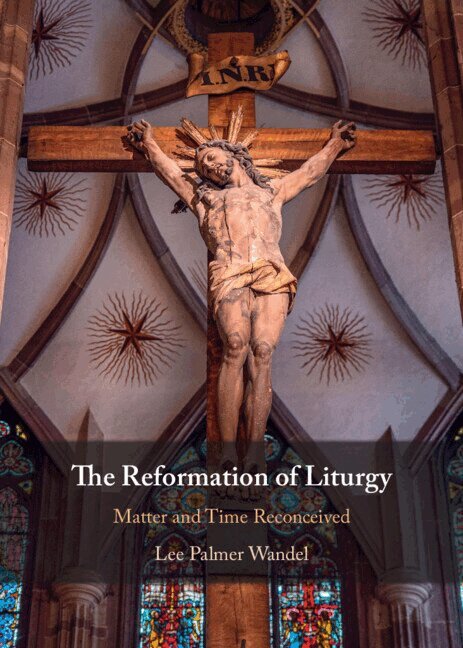
Why were sixteenth-century Europeans willing to risk their lives to attack 'mere matter' - images, lamps, altars, vestments? The most influential medieval liturgical commentary, William Durand's Rationale divinorum officiorum, offers an answer. Reading Durand to excavate the meaning of churches, altars, vestments, this book reveals the stunning scope of Reformation reconceptualization of worship, time, and matter. For Durand, liturgy was an ongoing praxis in which Scripture and Creation were in constant dialogue, leading to an ever-richer understanding of divine revelation. In attacking the made world - what human beings had fashioned from prime matter - Protestants sundered Creation from the liturgy and fundamentally changed how liturgy was understood, and what both Protestants and Catholics held the relationship between divine revelation and matter to be. Altars and vestments became 'objects' to which human beings gave meaning. As the sixteenth century redefined liturgy as a verbal practice, time, matter, and worship were realigned.
509 kr
Skickas inom 5-8 vardagar
Del 39 - Intersections
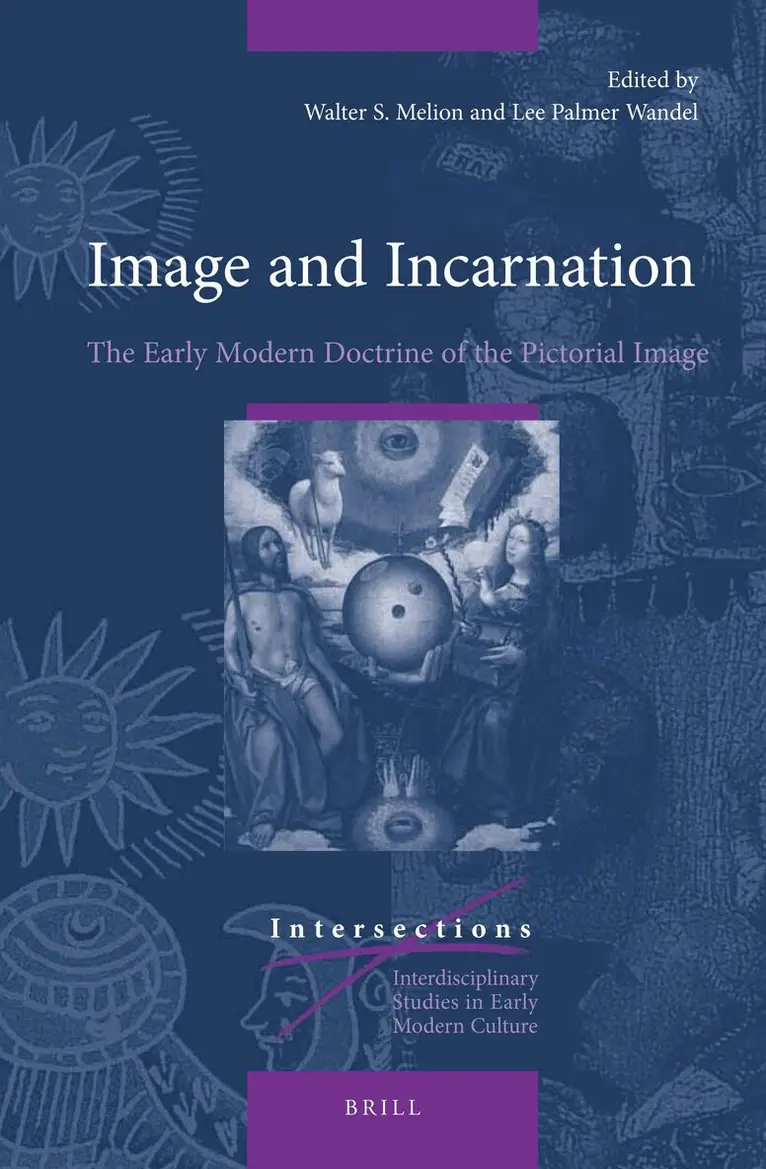
Image and Incarnation
The Early Modern Doctrine of the Pictorial Image
Inbunden, Engelska, 2015
3 601 kr
Skickas inom 5-8 vardagar
The doctrine of the Incarnation was wellspring and catalyst for theories of images verbal, material, and spiritual. Section I, “Representing the Mystery of the Incarnation”, takes up questions about the representability of the mystery. Section II, “Imago Dei and the Incarnate Word”, investigates how Christ’s status as the image of God was seen to license images material and spiritual. Section III, “Literary Figurations of the Incarnation”, considers the verbal production of images contemplating the divine and human nature of Christ. Section IV, “Tranformative Analogies of Matter and Spirit”, delves into ways that material properties and processes, in their effects on the beholder, were analogized to Christ’s hypostasis. Section V, “Visualizing the Flesh of Christ”, considers the relation between the Incarnation and the Passion.
2 947 kr
Skickas inom 5-8 vardagar
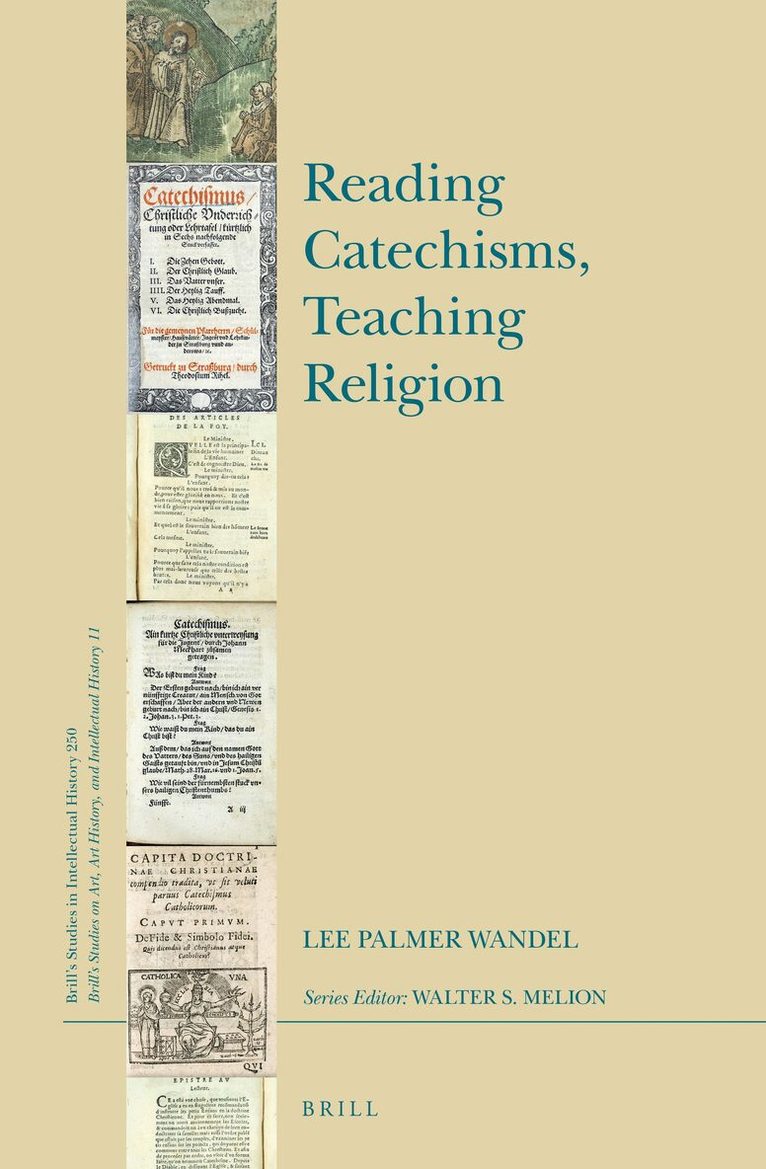
Reading Catechisms, Teaching Religion makes two broad arguments. First, the sixteenth century witnessed a fundamental transformation in Christians’, Catholic and Evangelical, conceptualization of the nature of knowledge of Christianity and the media through which that knowledge was articulated and communicated. Christians had shared a sense that knowledge might come through visions, images, liturgy; catechisms taught that knowledge of ‘Christianity’ began with texts printed on a page. Second, codicil catechisms sought not simply to dissolve the material distinction between codex and person, but to teach catechumens to see specific words together as texts. The pages of catechisms were visual—they confound precisely that constructed modern bipolarity, word/image, or, conversely, that modern bipolarity obscures what sixteenth-century catechisms sought to do.
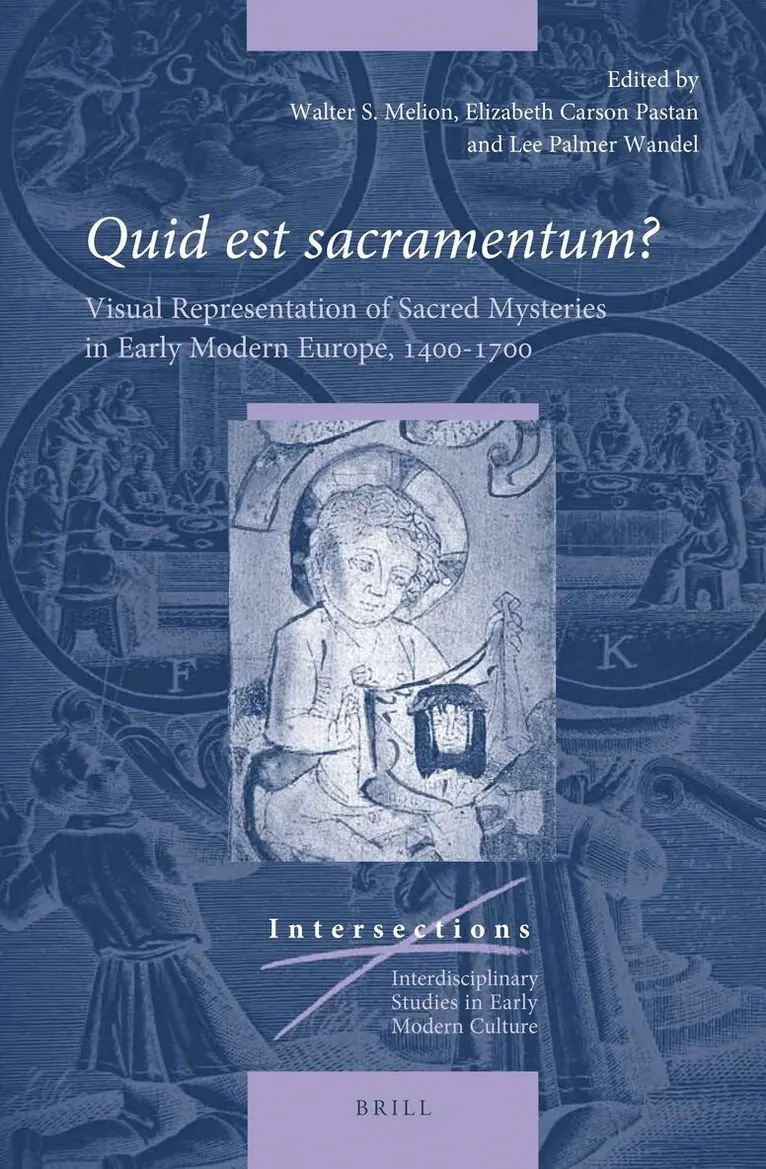
Quid est sacramentum?
Visual Representation of Sacred Mysteries in Early Modern Europe, 1400–1700
Inbunden, Engelska, 2019
3 583 kr
Skickas inom 5-8 vardagar
‘Quid est sacramentum?’ Visual Representation of Sacred Mysteries in Early Modern Europe, 1400–1700 investigates how sacred mysteries (in Latin, sacramenta or mysteria) were visualized in a wide range of media, including illustrated religious literature such as catechisms, prayerbooks, meditative treatises, and emblem books, produced in Italy, France, and the Low Countries between ca. 1500 and 1700. The contributors ask why the mysteries of faith and, in particular, sacramental mysteries were construed as amenable to processes of representation and figuration, and why the resultant images were thought capable of engaging mortal eyes, minds, and hearts. Mysteries by their very nature appeal to the spirit, rather than to sense or reason, since they operate beyond the limitations of the human faculties; and yet, the visual and literary arts served as vehicles for the dissemination of these mysteries and for prompting reflection upon them.Contributors: David Areford, AnnMarie Micikas Bridges, Mette Birkedal Bruun, James Clifton, Anna Dlabačková, Wim François, Robert Kendrick, Aiden Kumler, Noria Litaker, Walter S. Melion, Lars Cyril Nørgaard, Elizabeth Pastan, Donna Sadler, Alexa Sand, Tanya Tiffany, Lee Palmer Wandel, Geert Warner, Bronwen Wilson, and Elliott Wise.