Lee Spector – författare
Visar alla böcker från författaren Lee Spector. Handla med fri frakt och snabb leverans.
9 produkter
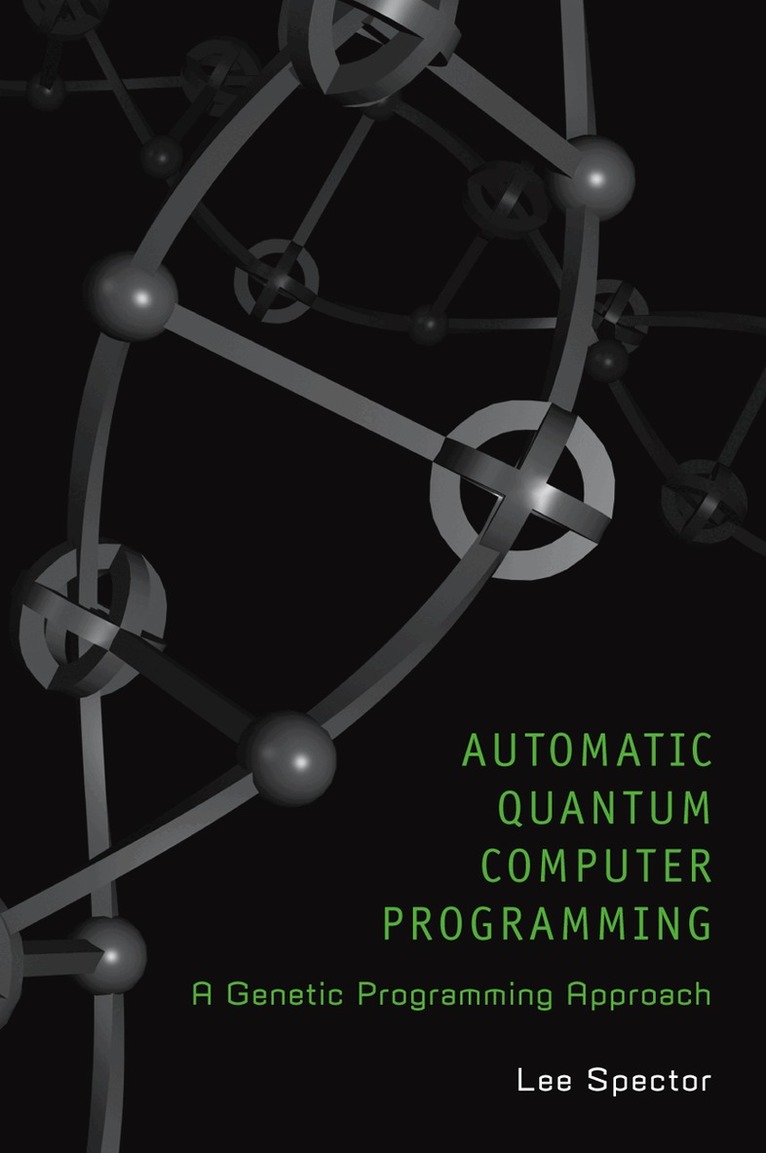
Automatic Quantum Computer Programming
A Genetic Programming Approach
Av Lee Spector
Häftad, 2006
1466 kr
Lägg i varukorg
This is a book about the frontiers of computer science that have re cently been opened by work in quantum mechanics, but it is also a book about the use of recently developed automatic programming technolo gies to explore those frontiers. The automatic programming technologies themselves issue …
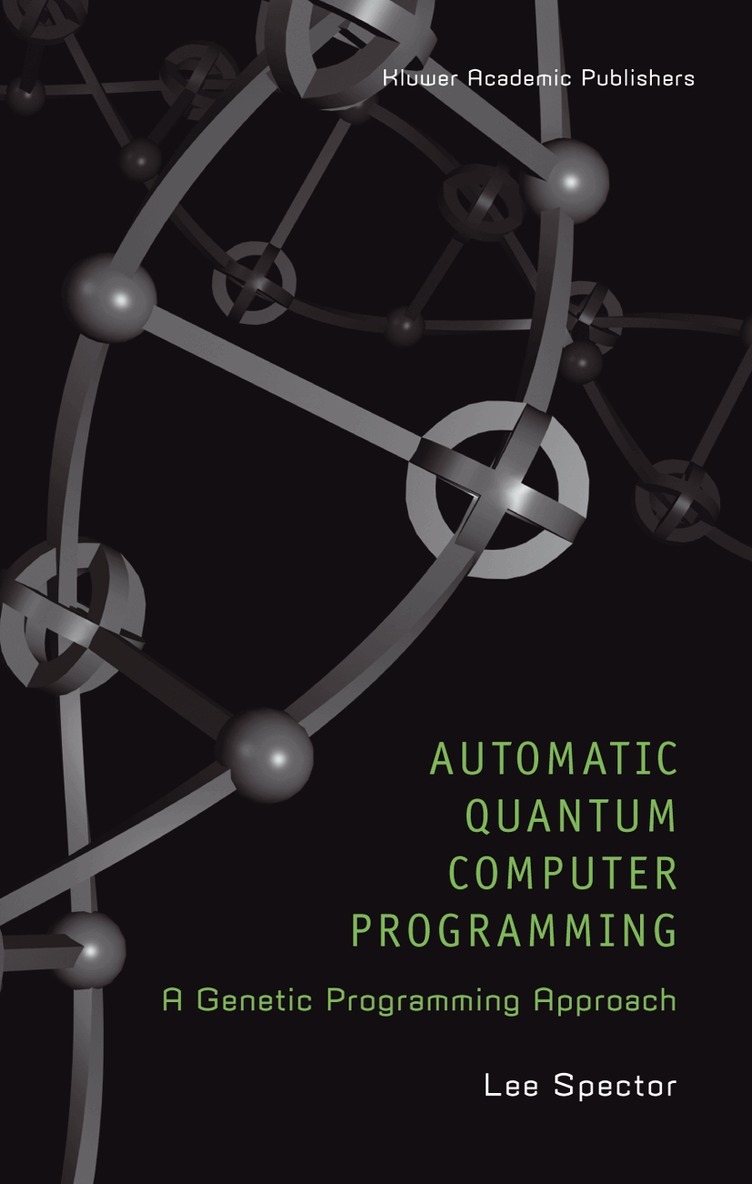
Automatic Quantum Computer Programming
A Genetic Programming Approach
Av Lee Spector
Inbunden, 2004
1466 kr
Lägg i varukorg
Automatic Quantum Computer Programming provides an introduction to quantum computing for non-physicists, as well as an introduction to genetic programming for non-computer-scientists. The book explores several ways in which genetic programming can support automatic quantum computer programming and …
Automatic Quantum Computer Programming
A Genetic Programming Approach
Av Lee Spector
E-bok, 2006
1785 kr
Lägg i varukorg
Automatic Quantum Computer Programming provides an introduction to quantum computing for non-physicists, as well as an introduction to genetic programming for non-computer-scientists. The book explores several ways in which genetic programming can support automatic quantum computer programming and …
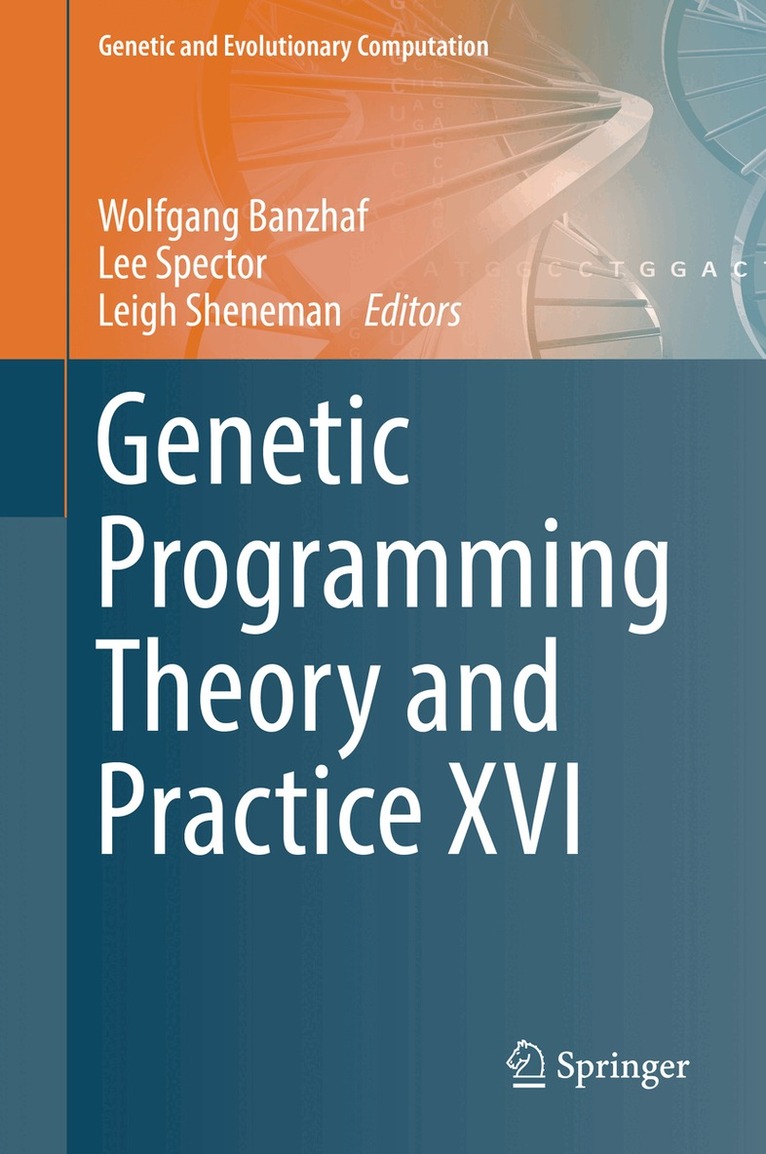
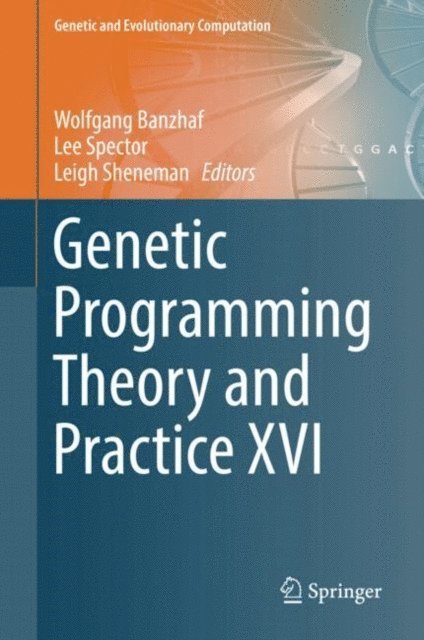
Genetic Programming Theory and Practice XVI
Av Wolfgang Banzhaf, Lee Spector m. fl.
Inbunden, 2019
1576 kr
Lägg i varukorg
These contributions, written by the foremost international researchers and practitioners of Genetic Programming (GP), explore the synergy between theoretical and empirical results on real-world problems, producing a comprehensive view of the state of the art in GP. Topics in this volume include: …
Genetic Programming Theory and Practice XVI
Av Leigh Sheneman, Lee Spector m. fl.
E-bok, 2019
2006 kr
Lägg i varukorg
These contributions, written by the foremost international researchers and practitioners of Genetic Programming (GP), explore the synergy between theoretical and empirical results on real-world problems, producing a comprehensive view of the state of the art in GP. Topics in this volume include: …
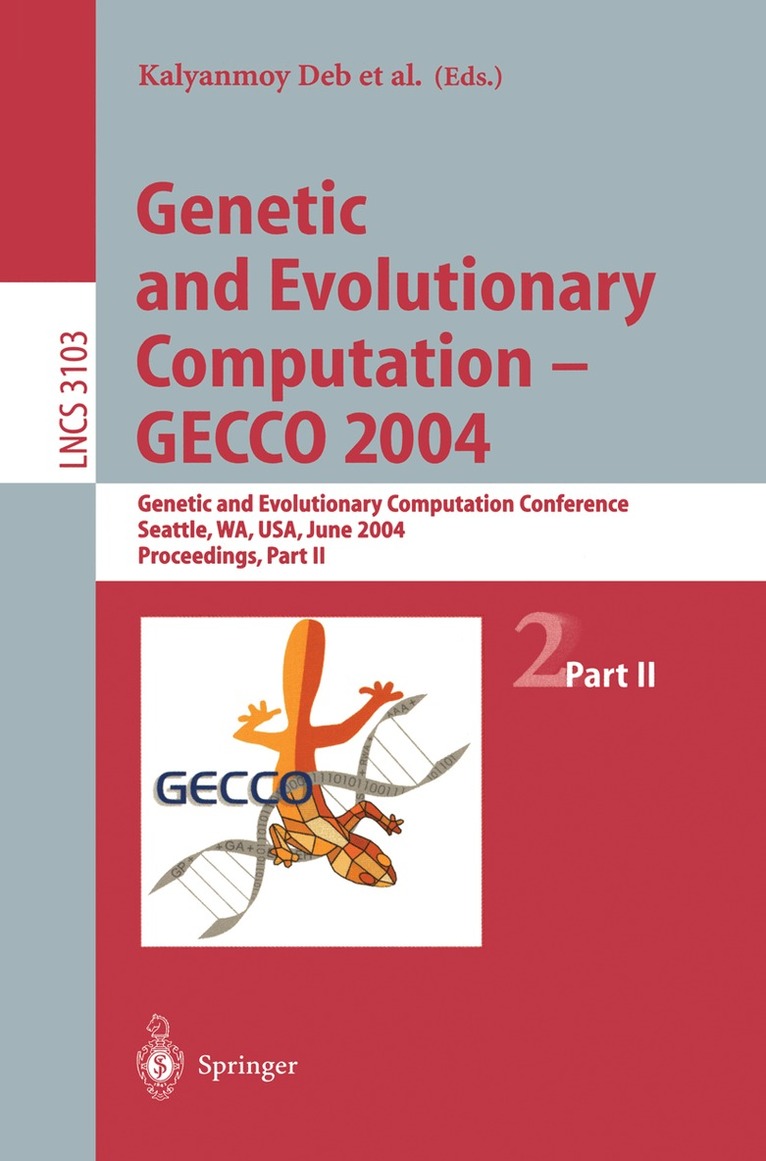
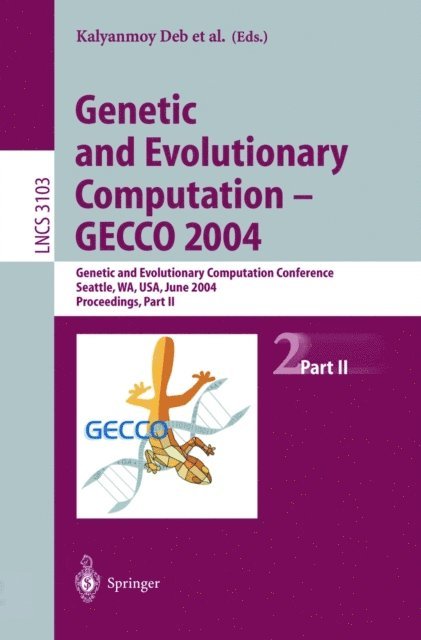
Genetic and Evolutionary Computation — GECCO 2004
Genetic and Evolutionary Computation Conference, Seattle, WA, USA, June 26–30, 2004 Proceedings, Part II
Av Kalyanmoy Deb, Riccardo Poli m. fl.
2004
669 kr
Lägg i varukorg
The two volume set LNCS 3102/3103 constitutes the refereed proceedings of the Genetic and Evolutionary Computation Conference, GECCO 2004, held in Seattle, WA, USA, in June 2004.The 230 revised full papers and 104 poster papers presented were carefully reviewed and selected from 460 submissions. …
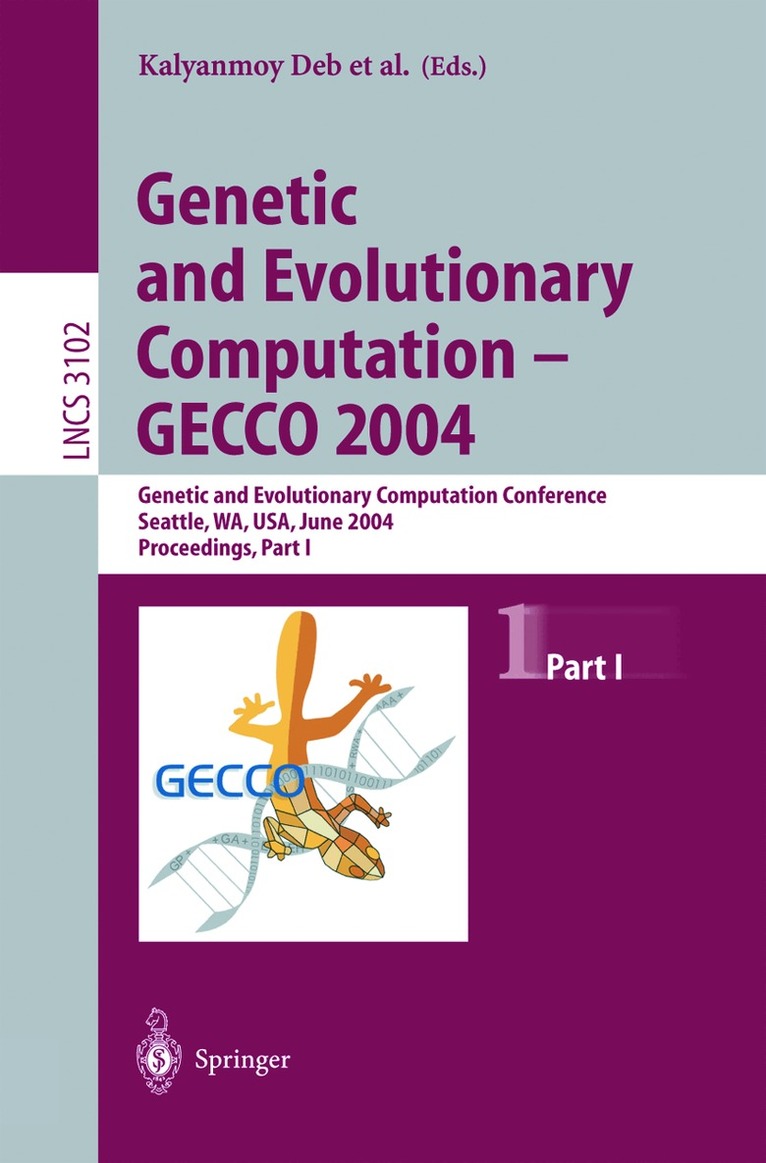
Genetic and Evolutionary Computation — GECCO 2004
Genetic and Evolutionary Computation Conference Seattle, WA, USA, June 26–30, 2004, Proceedings, Part I
Av Kalyanmoy Deb, Riccardo Poli m. fl.
2004
669 kr
Lägg i varukorg
The two volume set LNCS 3102/3103 constitutes the refereed proceedings of the Genetic and Evolutionary Computation Conference, GECCO 2004, held in Seattle, WA, USA, in June 2004.The 230 revised full papers and 104 poster papers presented were carefully reviewed and selected from 460 submissions. …
Genetic and Evolutionary Computation - GECCO 2004
Genetic and Evolutionary Computation Conference Seattle, WA, USA, June 26–30, 2004, Proceedings, Part I
Av Andy Tyrrell, Dirk Thierens m. fl.
E-bok, 2004
734 kr
Lägg i varukorg
The two volume set LNCS 3102/3103 constitutes the refereed proceedings of the Genetic and Evolutionary Computation Conference, GECCO 2004, held in Seattle, WA, USA, in June 2004. The 230 revised full papers and 104 poster papers presented were carefully reviewed and selected from 460 submissions. …
Genetic and Evolutionary Computation - GECCO 2004
Genetic and Evolutionary Computation Conference, Seattle, WA, USA, June 26–30, 2004 Proceedings, Part II
Av Andy Tyrrell, Dirk Thierens m. fl.
E-bok, 2004
718 kr
Lägg i varukorg
The two volume set LNCS 3102/3103 constitutes the refereed proceedings of the Genetic and Evolutionary Computation Conference, GECCO 2004, held in Seattle, WA, USA, in June 2004. The 230 revised full papers and 104 poster papers presented were carefully reviewed and selected from 460 submissions. …