Leen Engelen - Böcker
Visar alla böcker från författaren Leen Engelen. Handla med fri frakt och snabb leverans.
2 produkter
2 produkter
1 355 kr
Skickas inom 10-15 vardagar
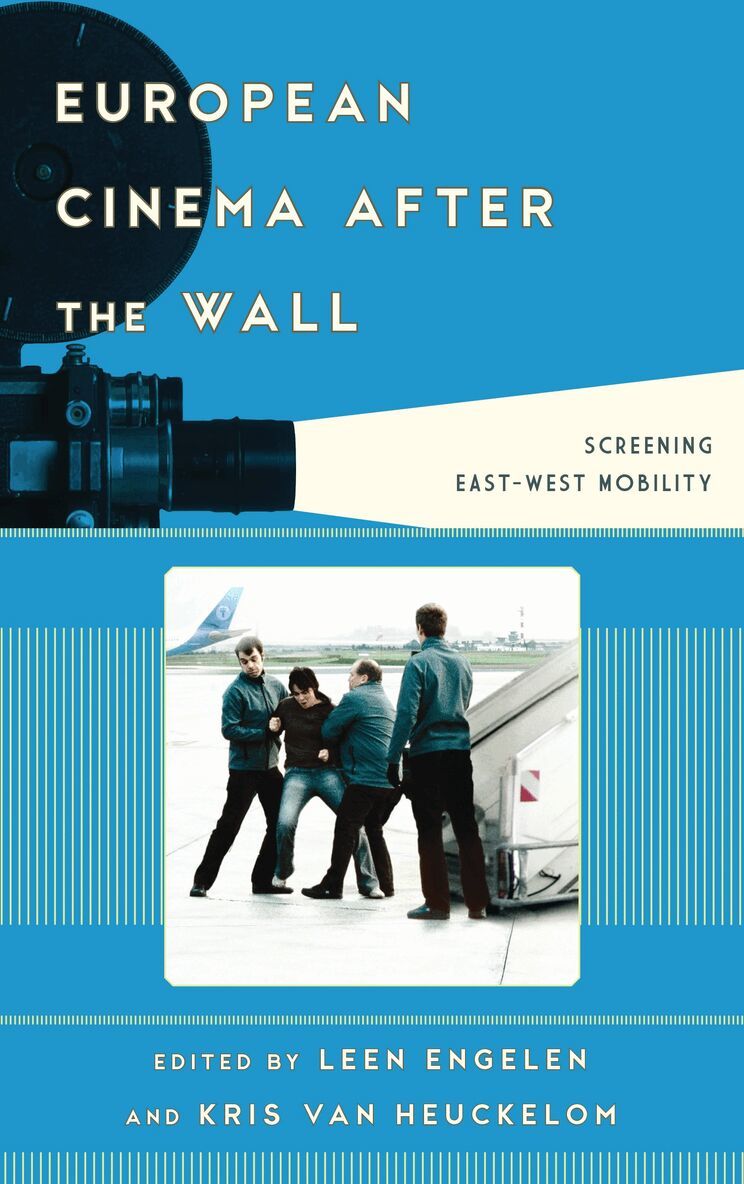
Since the fall of the Berlin Wall in 1989, transnational European cinema has risen, not only in terms of production but also in terms of a growing focus on multiethnic themes within the European context. This shift from national to trans-European filmmaking has been profoundly influenced by such historical developments as the collapse of the Iron Curtain and the subsequent ongoing enlargement of the European Union. In European Cinema after the Wall: Screening East–West Mobility, Leen Engelen and Kris Van Heuckelom have brought together essays that critically examine representations of post-1989 migration from the former Eastern Bloc to Western Europe, uncovering an array of common tropes and narrative devices that characterize the influences and portrayals of immigration. Featuring essays by contributors from backgrounds as divergent as film studies, Slavic and Russian studies, comparative literature, sociology, contemporary history, and communication and media studies, this volume will appeal to scholars of film, European history, and those interested in the impact of migration, diaspora, and the global flow of cinematic culture.
708 kr
Skickas inom 3-6 vardagar
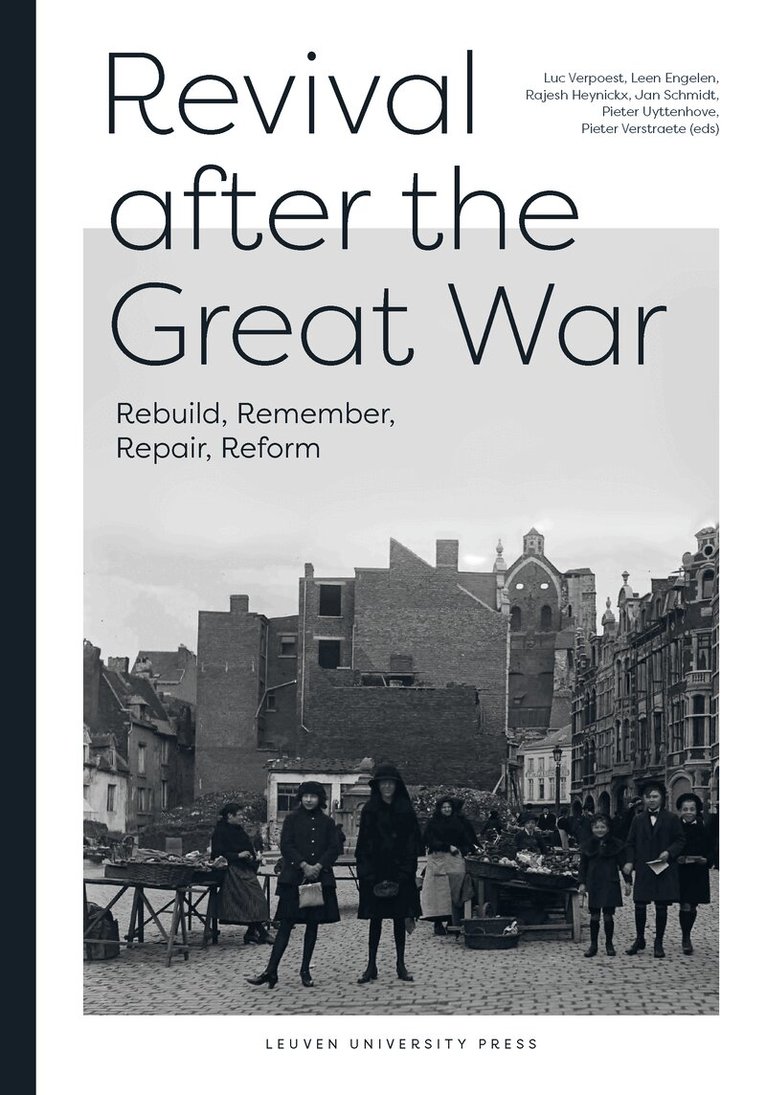
In the months and years immediately following the First World War, the many (European) countries that had formed its battleground were confronted with daunting challenges. These challenges varied according to the country's earlier role and degree of involvement in the war but were without exception enormous. The contributors to this book analyse how this was not only a matter of rebuilding ravaged cities and destroyed infrastructure but also of rebuilding people's damaged bodies and upended daily lives, and rethinking and reforming societal, economic and political structures. These processes took place against the backdrop of mass mourning and remembrance, political violence and economic crisis. At the same time, the postwar tabula rasa offered many innovative opportunities in various areas of society, from social and political reform to architectural design. The wide scope of postwar recovery is reflected in the different sections of this book: rebuild, remember, repair, and reform. It offers insights into the postwar era in Western European countries such as Belgium, France, Germany, Portugal, Spain, and Italy, as well as into how those efforts were perceived outside of Europe, for instance in Argentina and the United States.Free ebook available at OAPEN Library, JSTOR and ProjectMuseContributors: Helen Brooks (University of Kent), Dries Claeys (KU Leuven), Marisa De Picker (KU Leuven), Leen Engelen (LUCA/KU Leuven), Rajesh Heynickx (KU Leuven), John Horne (Trinity College Dublin), Maarten Liefooghe (Ghent University), Ana Paula Pires (Universidade Nova de Lisboa), Richard Plunz (Columbia University), Tammy Proctor (Utah State University), Pierre Purseigle (University of Warwick), Carolina Garcia Sanz (Universidad de Sevilla), Jan Schmidt (KU Leuven), Yves Segers (KU Leuven), Marjan Sterckx (Ghent University), Maria Ines Tato (Universidad de Buenos Aires), Pieter Uyttenhove (Ghent University), Joris Vandendriessche (KU Leuven), Luc Verpoest (KU Leuven), Pieter Verstraete (KU Leuven), Volker Welter (University of California), Kaat Wils (KU Leuven)