Leigh A. Gardner - Böcker
Visar alla böcker från författaren Leigh A. Gardner. Handla med fri frakt och snabb leverans.
3 produkter
3 produkter
1 576 kr
Skickas inom 5-8 vardagar
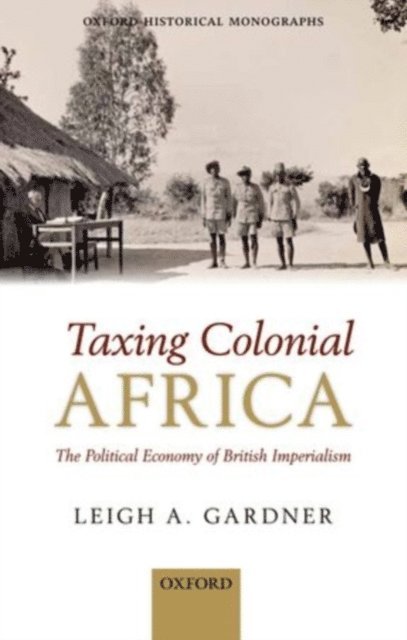
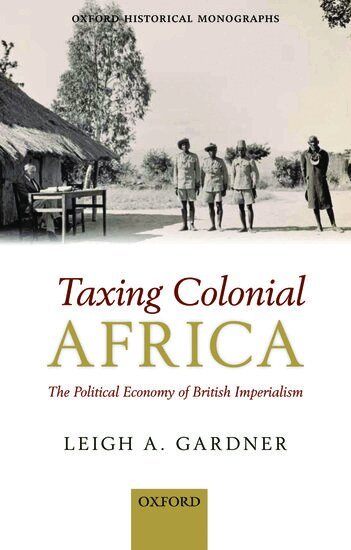
How much did the British Empire cost, and how did Britain pay for it? Taxing Colonial Africa explores a source of funds much neglected in research on the financial structure of the Empire, namely revenue raised in the colonies themselves. Requiring colonies to be financially self-sufficient was one of a range of strategies the British government used to lower the cost of imperial expansion to its own Treasury. Focusing on British colonies in Africa, Leigh Gardner examines how their efforts to balance their budgets influenced their relationships with local political stakeholders as well as the imperial government. She finds that efforts to balance the budget shaped colonial public policy at every level, and that compromises made in the face of financial constraints shaped the political and economic institutions that were established by colonial administrations and inherited by the former colonies at independence.Using both quantitative data on public revenue and expenditure as well as archival records from archives in both the UK and the former colonies, Gardner follows the development of fiscal policies in British Africa from the beginning of colonial rule through the first years of independence. During the formative years of colonial administration, both the structure of taxation and the allocation of public spending reflected the two central goals of colonial rule: maintaining order as cheaply as possible and encouraging export production. Taxing Colonial Africa examines how the fiscal systems established before 1914 coped with the upheavals of subsequent decades, including the two World Wars, the Great Depression, and finally the transfer of power.
414 kr
Skickas inom 7-10 vardagar
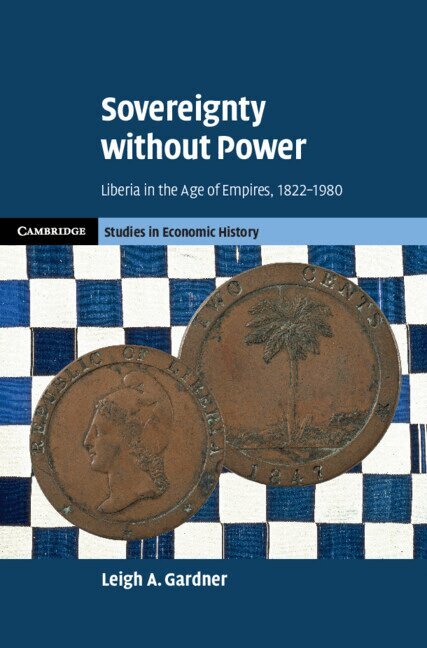
What did independence mean during the age of empires? How did independent governments balance different interests when they made policies about trade, money and access to foreign capital? Sovereignty without Power tells the story of Liberia, one of the few African countries to maintain independence through the colonial period. Established in 1822 as a colony for freed slaves from the United States, Liberia's history illustrates how the government's efforts to exercise its economic sovereignty and engage with the global economy shaped Liberia's economic and political development over the nineteenth and twentieth centuries. Drawing together a wide range of archival sources, Leigh A. Gardner presents the first quantitative estimates of Liberian's economic performance and uses these to compare it to its colonized neighbors and other independent countries. Liberia's history anticipated challenges still faced by developing countries today, and offers a new perspective on the role of power and power relationships in shaping Africa's economic history.
1 065 kr
Skickas inom 7-10 vardagar
What did independence mean during the age of empires? How did independent governments balance different interests when they made policies about trade, money and access to foreign capital? Sovereignty without Power tells the story of Liberia, one of the few African countries to maintain independence through the colonial period. Established in 1822 as a colony for freed slaves from the United States, Liberia's history illustrates how the government's efforts to exercise its economic sovereignty and engage with the global economy shaped Liberia's economic and political development over the nineteenth and twentieth centuries. Drawing together a wide range of archival sources, Leigh A. Gardner presents the first quantitative estimates of Liberian's economic performance and uses these to compare it to its colonized neighbors and other independent countries. Liberia's history anticipated challenges still faced by developing countries today, and offers a new perspective on the role of power and power relationships in shaping Africa's economic history.