
Leigh Ellen Wallace – författare
Visar alla böcker från författaren Leigh Ellen Wallace. Handla med fri frakt och snabb leverans.
6 produkter
6 produkter
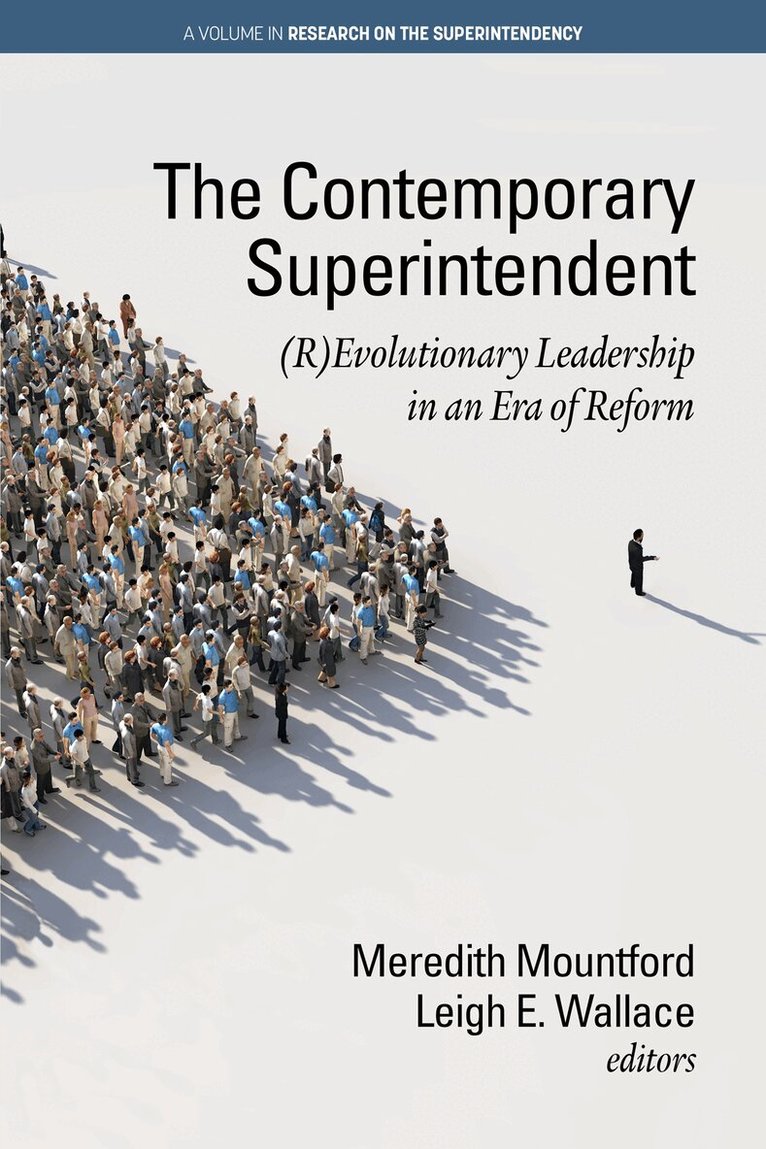
Häftad, Engelska, 2019
590 kr
Skickas inom 5-8 vardagar
What is (R)Evolutionary Leadership? Why Does it Matter?How can contemporary school district administrators, specifically superintendents, contend with so many difficult, and almost impossible competing commitments? Building on the definitions of revolution, revolutionary, evolution, and evolutionary, the notion of (R)Evolutionary Leadership emerged while discussing the need for school district leaders to push back against the status quo while improving teacher and leadership practices, improving student learning outcomes, engaging with the community, and ensuring decision making processes that include check and balance systems that are just, fair, and equitable for all.The chapters in this book introduce superintendents or research on superintendents in which these tenants were practiced; both in their ability to enact radical change by “overthrowing” the status quo – as well as evolutionary in their deliberate approach to viewing change as a process they can control over time. These leaders were willing to confront and defy practices and policies that were counter to student well-being and achievement while concurrently knowing how to reach their desired results. The chapters chosen for inclusion in this volume are those that offered a glimpse of these revolutionary tenants in practice.We ask that you consider this emerging concept as you explore the chapters of our book. You will find the (R)evolutionary Leaders you meet in the chapters know how to evolve, not just to stay alive, but to ensure the organization (school) remains relevant and vital to society. These leaders use their positional power, social capital, and expertise to advocate for policies and practices that are in the best interest of the school community and they innovate in ways that challenge the status quo. You will also find practices that are (R)Evolutionary and provide ways for leaders to innovate, collaborate, and simply take care of themselves and those around them. Our description does not seek to support or define or delineate the characteristics of a (R)Evolutionary Leader or how one might enact (R)Evolutionary Leadership–but serves as a way to (re)think the way we view the vastly complex work of school district administrators, specifically the superintendent. (R)Evolutionary leadership may change our ways of thinking about the significant advocacy role a superintendent can play in influencing both practice and policy to enact the change necessary to move forward issues of justice, equity, and quality in PK-12 schools and further to improve educational and social outcomes for those served.
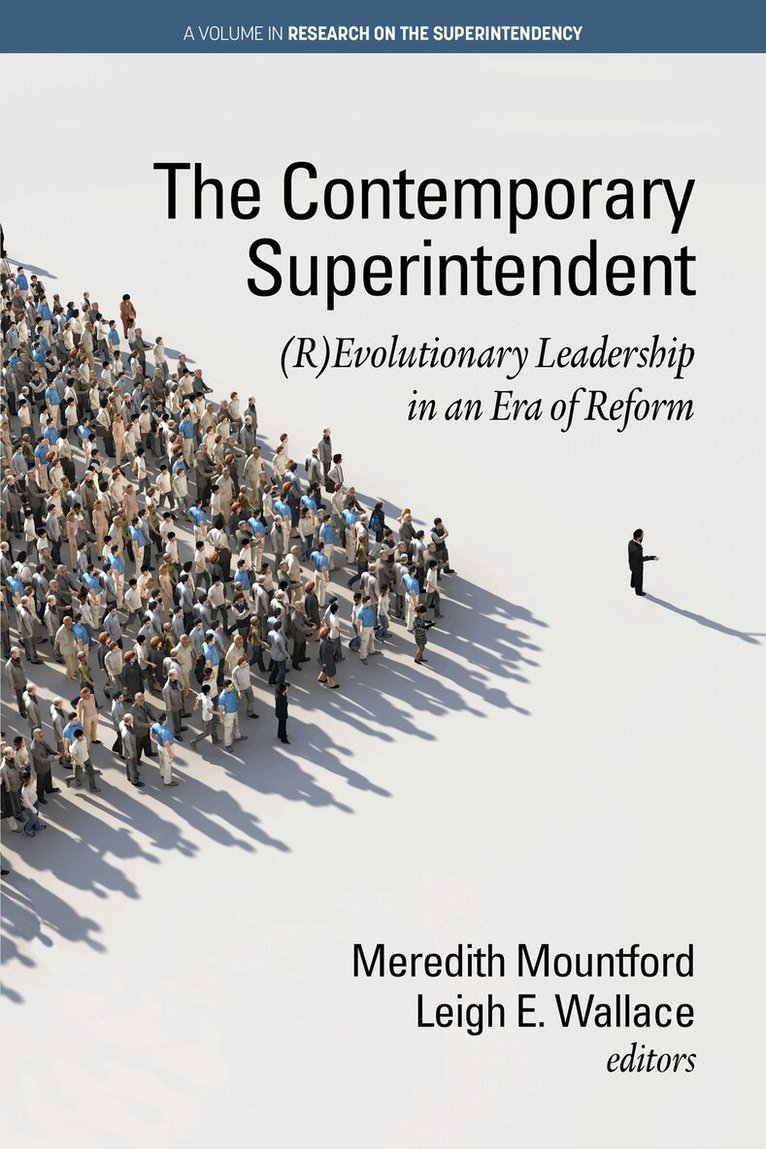
Inbunden, Engelska, 2019
1 044 kr
Skickas inom 5-8 vardagar
What is (R)Evolutionary Leadership? Why Does it Matter?How can contemporary school district administrators, specifically superintendents, contend with so many difficult, and almost impossible competing commitments? Building on the definitions of revolution, revolutionary, evolution, and evolutionary, the notion of (R)Evolutionary Leadership emerged while discussing the need for school district leaders to push back against the status quo while improving teacher and leadership practices, improving student learning outcomes, engaging with the community, and ensuring decision making processes that include check and balance systems that are just, fair, and equitable for all.The chapters in this book introduce superintendents or research on superintendents in which these tenants were practiced; both in their ability to enact radical change by “overthrowing” the status quo – as well as evolutionary in their deliberate approach to viewing change as a process they can control over time. These leaders were willing to confront and defy practices and policies that were counter to student well-being and achievement while concurrently knowing how to reach their desired results. The chapters chosen for inclusion in this volume are those that offered a glimpse of these revolutionary tenants in practice.We ask that you consider this emerging concept as you explore the chapters of our book. You will find the (R)evolutionary Leaders you meet in the chapters know how to evolve, not just to stay alive, but to ensure the organization (school) remains relevant and vital to society. These leaders use their positional power, social capital, and expertise to advocate for policies and practices that are in the best interest of the school community and they innovate in ways that challenge the status quo. You will also find practices that are (R)Evolutionary and provide ways for leaders to innovate, collaborate, and simply take care of themselves and those around them. Our description does not seek to support or define or delineate the characteristics of a (R)Evolutionary Leader or how one might enact (R)Evolutionary Leadership–but serves as a way to (re)think the way we view the vastly complex work of school district administrators, specifically the superintendent. (R)Evolutionary leadership may change our ways of thinking about the significant advocacy role a superintendent can play in influencing both practice and policy to enact the change necessary to move forward issues of justice, equity, and quality in PK-12 schools and further to improve educational and social outcomes for those served.

Inbunden, Engelska, 2026
1 259 kr
Kommande
Leadership matters. Today’s school environments place unprecedented demands on educational leaders. As a district’s chief executive, the 21st‑century school superintendent must navigate complex terrain—advancing justice and equity for every child, responding to shifting contextual forces (including global disruptions such as pandemics), and managing high‑stakes accountability alongside unfunded mandates. Research consistently underscores that school and district leadership significantly influence student achievement and outcomes. Through purposeful collaboration, strategic goal setting, alignment of resources, and continuous monitoring of progress, effective superintendents make a measurable difference. These ideas are central to School Boards and Superintendents: Navigating a Wicked Terrain, which highlights the evolving expectations shaping contemporary educational leadership.Among all stakeholders, the relationship between the superintendent and the school board is paramount. Superintendents must serve as multidirectional conduits of information, connecting schools, boards, and communities, while maintaining a collaborative and often politically sensitive partnership with their governing body. This position requires both strategic insight and diplomatic skill. As illuminated in School Boards and Superintendents: Navigating a Wicked Terrain, the political dynamics inherent in this relationship cannot be underestimated; indeed, they frequently determine a district’s stability, coherence, and progress.Amid longstanding tensions, now intensified by heightened political polarization, culture wars, and persistent challenges to public education, this work seeks to examine, describe, and analyze the evolving relationship between school boards and superintendents. It explores how these pressures affect students, families, and educators, and how leaders work toward resolution in even the most contentious circumstances. In keeping with the spirit of School Boards and Superintendents: Navigating a Wicked Terrain, it elevates stories often left untold, offering insight and guidance for those confronting their own complex leadership challenges in an increasingly demanding landscape.

Häftad, Engelska, 2026
424 kr
Kommande
Leadership matters. Today’s school environments place unprecedented demands on educational leaders. As a district’s chief executive, the 21st‑century school superintendent must navigate complex terrain—advancing justice and equity for every child, responding to shifting contextual forces (including global disruptions such as pandemics), and managing high‑stakes accountability alongside unfunded mandates. Research consistently underscores that school and district leadership significantly influence student achievement and outcomes. Through purposeful collaboration, strategic goal setting, alignment of resources, and continuous monitoring of progress, effective superintendents make a measurable difference. These ideas are central to School Boards and Superintendents: Navigating a Wicked Terrain, which highlights the evolving expectations shaping contemporary educational leadership.Among all stakeholders, the relationship between the superintendent and the school board is paramount. Superintendents must serve as multidirectional conduits of information, connecting schools, boards, and communities, while maintaining a collaborative and often politically sensitive partnership with their governing body. This position requires both strategic insight and diplomatic skill. As illuminated in School Boards and Superintendents: Navigating a Wicked Terrain, the political dynamics inherent in this relationship cannot be underestimated; indeed, they frequently determine a district’s stability, coherence, and progress.Amid longstanding tensions, now intensified by heightened political polarization, culture wars, and persistent challenges to public education, this work seeks to examine, describe, and analyze the evolving relationship between school boards and superintendents. It explores how these pressures affect students, families, and educators, and how leaders work toward resolution in even the most contentious circumstances. In keeping with the spirit of School Boards and Superintendents: Navigating a Wicked Terrain, it elevates stories often left untold, offering insight and guidance for those confronting their own complex leadership challenges in an increasingly demanding landscape.
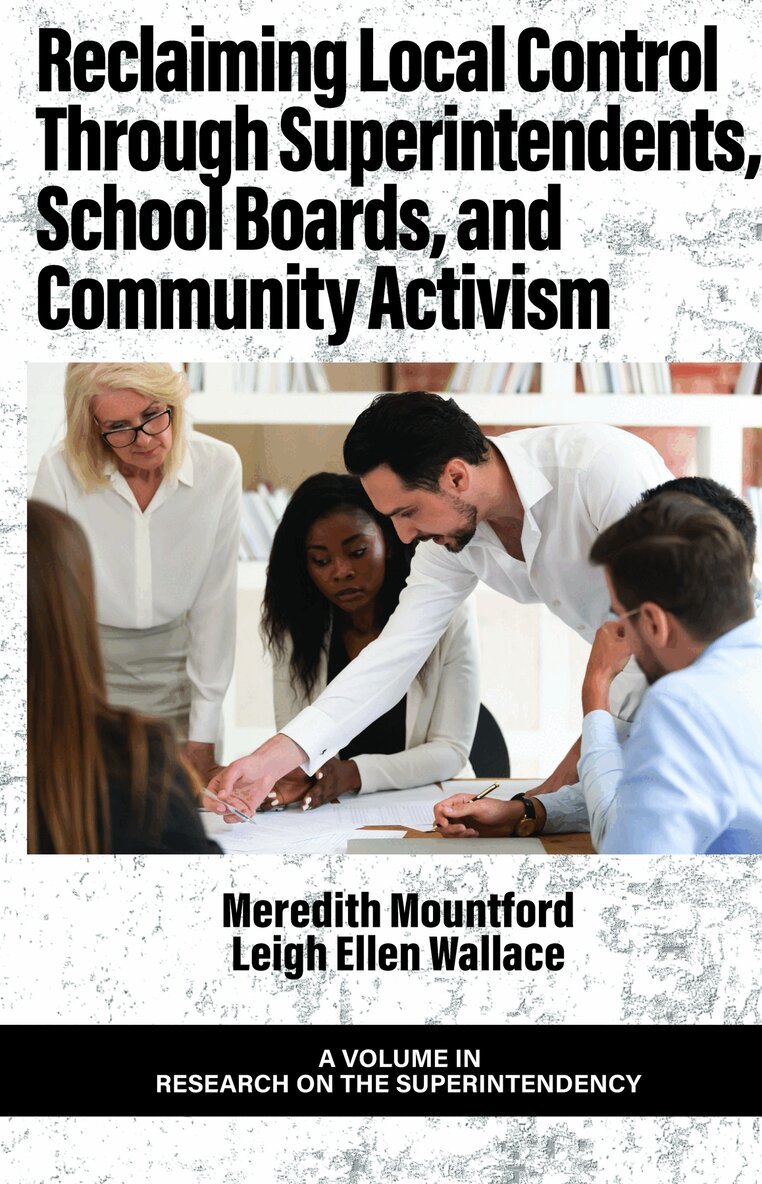
Häftad, Engelska, 2022
525 kr
Skickas inom 5-8 vardagar
In 1987, Jacqueline Danzberger described school boards as the forgotten players. However, things have changed drastically for school boards over the past few years. No longer are school boards the forgotten players in school governance. Instead, school boards often find themselves in the center of controversies stemming from the intrusion of political partisanship into local governance structures which historically, and for the purposes of sustained democratic educational governance, were intentionally intended to be non-partisan elected boards. However, this is where many school boards find themselves today. The chapters in this volume address several key questions school board members are currently facing as they struggle to protect some of our country’s earliest guardrails of democracy; local control of schools. To be sure, school boards are no longer the forgotten players. Implications of this may be wide reaching and therefore deserve room in the current literature on educational governance.Volume II of the Research on the Superintendency series highlights recent research on school boards, local control, governance, and the superintendency. Each chapter is briefly described and the chapters are in a particular order that readers may wish to pay attention to as they enjoy the book. The first three chapters deal with local control in both rural and urban settings. The next two chapters are studies focused mainly on school boards and how their roles have shifted over the years followed by a chapter on the relationship between school boards and their superintendents within a regulatory environment and the level of stress it can bring to board members and superintendents. The final five chapters describe recent superintendent research that is closely linked to school governance or school board policies. We ask readers to juxtapose lessons learned in those five chapters to the role of school boards within the context of those chapters.
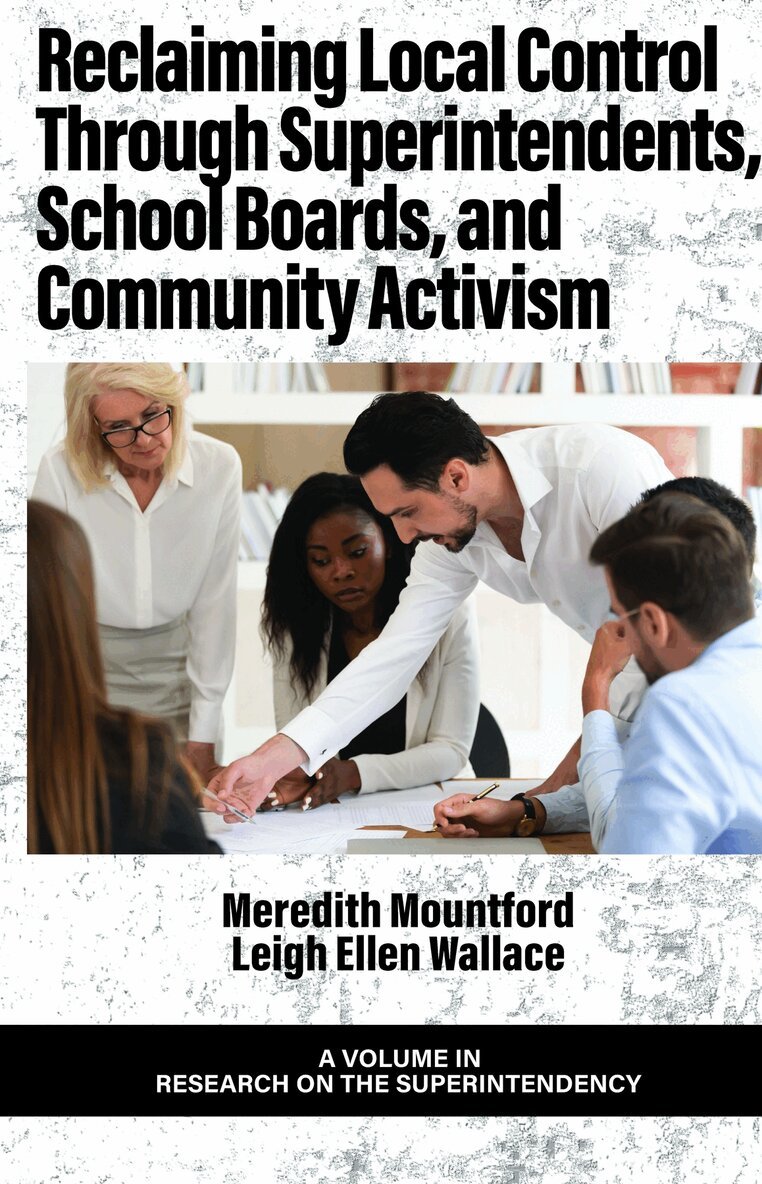
Inbunden, Engelska, 2022
979 kr
Skickas inom 5-8 vardagar
In 1987, Jacqueline Danzberger described school boards as the forgotten players. However, things have changed drastically for school boards over the past few years. No longer are school boards the forgotten players in school governance. Instead, school boards often find themselves in the center of controversies stemming from the intrusion of political partisanship into local governance structures which historically, and for the purposes of sustained democratic educational governance, were intentionally intended to be non-partisan elected boards. However, this is where many school boards find themselves today. The chapters in this volume address several key questions school board members are currently facing as they struggle to protect some of our country’s earliest guardrails of democracy; local control of schools. To be sure, school boards are no longer the forgotten players. Implications of this may be wide reaching and therefore deserve room in the current literature on educational governance.Volume II of the Research on the Superintendency series highlights recent research on school boards, local control, governance, and the superintendency. Each chapter is briefly described and the chapters are in a particular order that readers may wish to pay attention to as they enjoy the book. The first three chapters deal with local control in both rural and urban settings. The next two chapters are studies focused mainly on school boards and how their roles have shifted over the years followed by a chapter on the relationship between school boards and their superintendents within a regulatory environment and the level of stress it can bring to board members and superintendents. The final five chapters describe recent superintendent research that is closely linked to school governance or school board policies. We ask readers to juxtapose lessons learned in those five chapters to the role of school boards within the context of those chapters.