Leila Farsakh - Böcker
Visar alla böcker från författaren Leila Farsakh. Handla med fri frakt och snabb leverans.
4 produkter
4 produkter
Del 43 - Religion, Culture, and Public Life
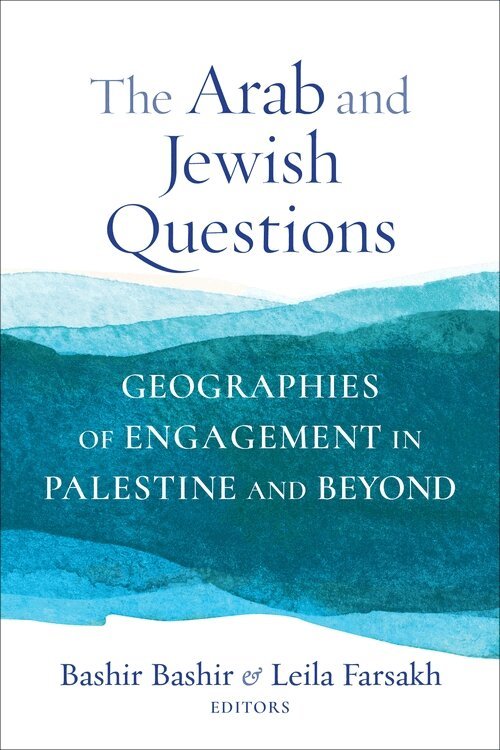
Arab and Jewish Questions
Geographies of Engagement in Palestine and Beyond
Inbunden, Engelska, 2020
1 107 kr
Skickas inom 7-10 vardagar
Nineteenth-century Europe turned the political status of its Jewish communities into the “Jewish Question,” as both Christianity and rising forms of nationalism viewed Jews as the ultimate other. With the onset of Zionism, this “question” migrated to Palestine and intensified under British colonial rule and in the aftermath of the Holocaust. Zionism’s attempt to solve the “Jewish Question” created what came to be known as the “Arab Question,” which concerned the presence and rights of the Arab population in Palestine. For the most part, however, Jewish settlers denied or dismissed the question they created, to the detriment of both Arabs and Jews in Palestine and elsewhere.This book brings together leading scholars to consider how these two questions are entangled historically and in the present day. It offers critical analyses of Arab engagements with the question of Jewish rights alongside Zionist and non-Zionist Jewish considerations of Palestinian identity and political rights. Together, the essays show that the Arab and Jewish questions, and the Israeli-Palestinian conflict in which they have become subsumed, belong to the same thorny history. Despite their major differences, the historical Jewish and Arab questions are about the political rights of oppressed groups and their inclusion within exclusionary political communities—a question that continues to foment tensions in the Middle East, Europe, and the United States. Shedding new light on the intricate relationships among Orientalism, anti-Semitism, Islamophobia, colonialism, and the impasse in the Israeli-Palestinian conflict, this book reveals the inseparability of Arab and Jewish struggles for self-determination and political equality.Contributors include Gil Anidjar, Brian Klug, Amal Ghazal, Ella Shohat, Hakem Al-Rustom, Hillel Cohen, Yuval Evri, Derek Penslar, Jacqueline Rose, Moshe Behar, Maram Masarwi, and the editors, Bashir Bashir and Leila Farsakh.
Del 43 - Religion, Culture, and Public Life
Arab and Jewish Questions
Geographies of Engagement in Palestine and Beyond
Häftad, Engelska, 2020
282 kr
Skickas inom 7-10 vardagar
Nineteenth-century Europe turned the political status of its Jewish communities into the “Jewish Question,” as both Christianity and rising forms of nationalism viewed Jews as the ultimate other. With the onset of Zionism, this “question” migrated to Palestine and intensified under British colonial rule and in the aftermath of the Holocaust. Zionism’s attempt to solve the “Jewish Question” created what came to be known as the “Arab Question,” which concerned the presence and rights of the Arab population in Palestine. For the most part, however, Jewish settlers denied or dismissed the question they created, to the detriment of both Arabs and Jews in Palestine and elsewhere.This book brings together leading scholars to consider how these two questions are entangled historically and in the present day. It offers critical analyses of Arab engagements with the question of Jewish rights alongside Zionist and non-Zionist Jewish considerations of Palestinian identity and political rights. Together, the essays show that the Arab and Jewish questions, and the Israeli-Palestinian conflict in which they have become subsumed, belong to the same thorny history. Despite their major differences, the historical Jewish and Arab questions are about the political rights of oppressed groups and their inclusion within exclusionary political communities—a question that continues to foment tensions in the Middle East, Europe, and the United States. Shedding new light on the intricate relationships among Orientalism, anti-Semitism, Islamophobia, colonialism, and the impasse in the Israeli-Palestinian conflict, this book reveals the inseparability of Arab and Jewish struggles for self-determination and political equality.Contributors include Gil Anidjar, Brian Klug, Amal Ghazal, Ella Shohat, Hakem Al-Rustom, Hillel Cohen, Yuval Evri, Derek Penslar, Jacqueline Rose, Moshe Behar, Maram Masarwi, and the editors, Bashir Bashir and Leila Farsakh.
2 171 kr
Skickas inom 10-15 vardagar
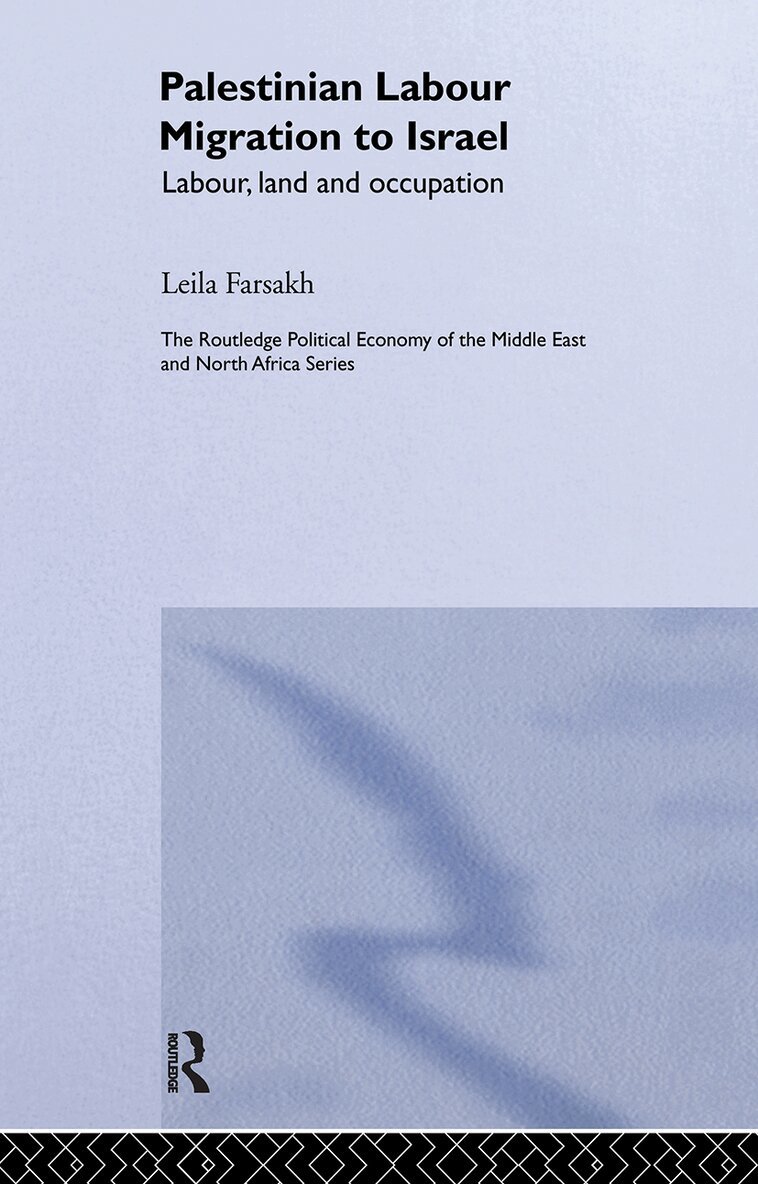
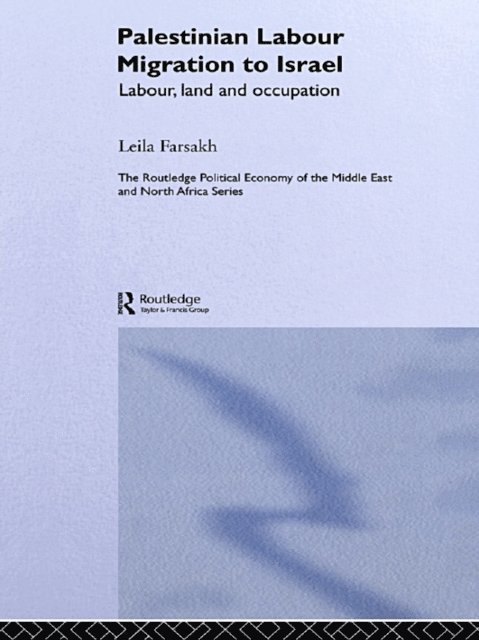
Leila Farsakh provides the first comprehensive analysis of the rise and fall of Palestinian labour flows to Israel. Highlighting the interdependence between Israel’s confiscation of Palestinian land and the use of Palestinian labour, she shows how migration has been the result of evolving dynamics of Israeli occupation and the reality of Palestinian labour force growth. This study analyzes the pattern of Palestinian labour supply, the role of Israel’s territorial and economic policies in the Occupied Territories in releasing Palestinian labour from the land, and the nature of Israeli demand for Palestinian workers, especially in the construction sector where the majority of commuting labourers are concentrated. New light is shed on the growth of illegal Israeli settlements in the West Bank and Gaza Strip, which are being built by Palestinian workers.Palestinian Labour Migration to Israel is original in its analysis of the contrasting forces of separation and the integration between Israel and the Palestinian territories, showing that the changing patterns in labour flows reflect a process of redefinition of the 1967 borders. It will be of valuable interest to economists and development specialists as well as to scholars, policy makers and all those concerned with the Palestinian-Israeli conflict.
643 kr
Skickas inom 10-15 vardagar
Leila Farsakh provides the first comprehensive analysis of the rise and fall of Palestinian labour flows to Israel. Highlighting the interdependence between Israel’s confiscation of Palestinian land and the use of Palestinian labour, she shows how migration has been the result of evolving dynamics of Israeli occupation and the reality of Palestinian labour force growth. This study analyzes the pattern of Palestinian labour supply, the role of Israel’s territorial and economic policies in the Occupied Territories in releasing Palestinian labour from the land, and the nature of Israeli demand for Palestinian workers, especially in the construction sector where the majority of commuting labourers are concentrated. New light is shed on the growth of illegal Israeli settlements in the West Bank and Gaza Strip, which are being built by Palestinian workers.Palestinian Labour Migration to Israel is original in its analysis of the contrasting forces of separation and the integration between Israel and the Palestinian territories, showing that the changing patterns in labour flows reflect a process of redefinition of the 1967 borders. It will be of valuable interest to economists and development specialists as well as to scholars, policy makers and all those concerned with the Palestinian-Israeli conflict.