Inbunden, Engelska, 2023
825 kr
Skickas inom 5-8 vardagar
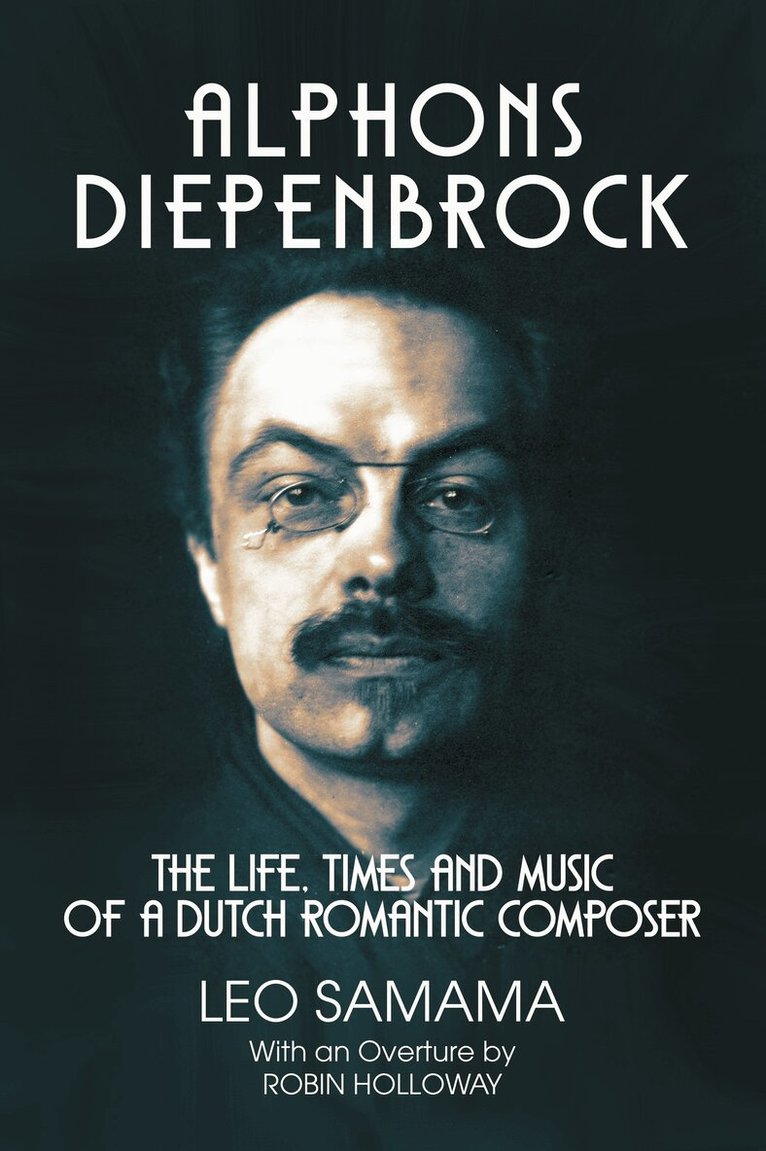
The music of the Dutch composer Alphons Diepenbrock (1862-1921) is one of the glories of European late-Romantic culture, although is hardly known outside his native Netherlands. This translation makes Leo Samama's masterly study of Diepenbrock available to non-Dutch readers for the first time.The music of Alphons Diepenbrock (1862-1921) is one of the glories of European late-Romantic culture. But it is hardly known outside his native Netherlands - a situation this book hopes to change. Diepenbrock's life and his music are deeply intertwined: self-taught as a composer, he was a classics tutor by profession, a Catholic with a fondness for religious mysticism and one of the leading Dutch intellectuals of his day, with Mahler, Schoenberg and Richard Strauss among his circle of friends. In his 'Overture' to this book Robin Holloway describes Diepenbrock's music - most of which involves the voice - as a 'wondrous fusion of Palestrina and Wagner (with Debussy thrown in, and a dash of Mahler)' and praises its 'visionary serenity'. It is that balance between classical clarity and Romantic passion that gives Diepenbrock's compositions their unique character - and their emotional power. Leo Samama's richly illustrated study of Diepenbrock sets him and his music in the context of their times, this translation opening up an important chapter of European history to non-Dutch-speaking readers for the first time.