Leonid Chechurin – författare
1 123 kr
Skickas inom 10-15 vardagar
1 091 kr
Skickas inom 10-15 vardagar
1 271 kr
Skickas inom 10-15 vardagar
1 684 kr
Läs direkt efter köp
1 271 kr
Skickas inom 10-15 vardagar
1 091 kr
Skickas inom 10-15 vardagar
1 367 kr
Läs direkt efter köp
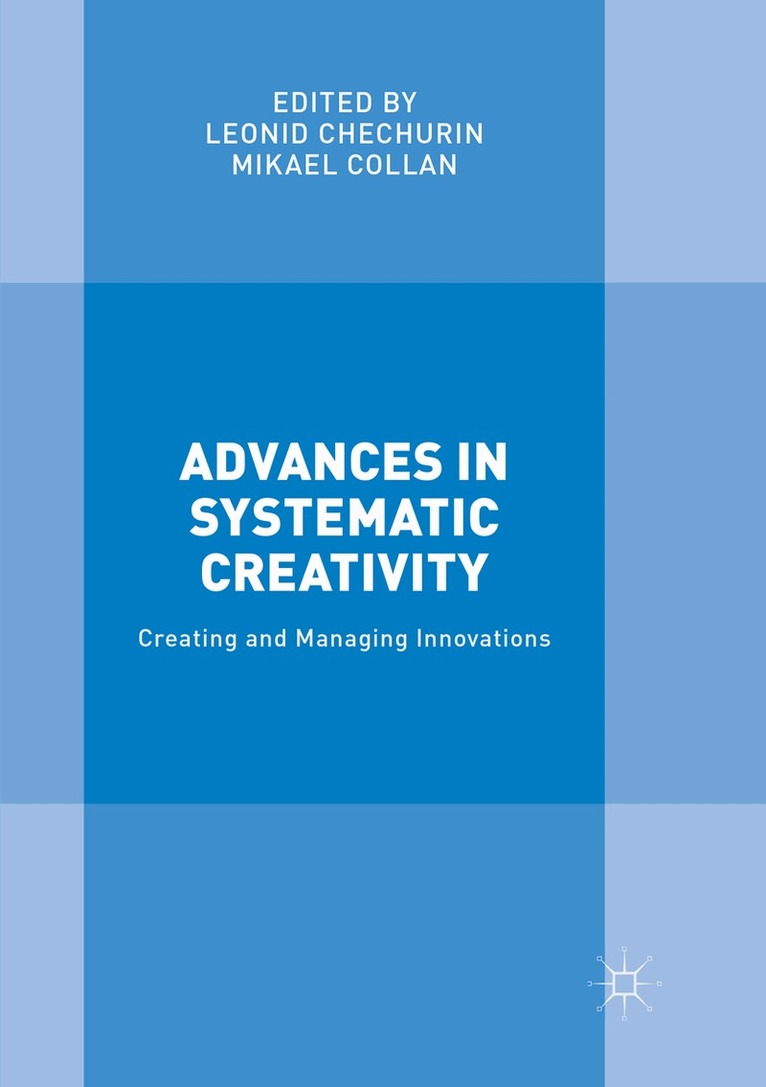
This book clarifies the common misconception that there are no systematic instruments to support ideation, heuristics and creativity. Using a collection of articles from professionals practicing the Theory of Inventive Problem Solving (TRIZ), this book presents an overview of current trends and enhancements within TRIZ in an international context, and shows its different roles in enhancing creativity for innovation in research and practice. Since its first introduction by Genrikh Saulovich Altshuller in 1956 in the USSR, the TRIZ method has been widely used by inventors, design engineers and has become a standard element of innovation support tools in many Fortune 500 companies. However, TRIZ has only recently entered the domain of scientific publications and discussion. This collection of articles is meant as a record of scientific discussion on TRIZ that reflects the most interesting talking points, research interests, results and expectations. Topics such as Creative and Inventive Design, Patent Mining, and Knowledge Harvesting are also covered in this book.
1 091 kr
Skickas inom 10-15 vardagar
1 367 kr
Läs direkt efter köp
1 570 kr
Skickas inom 10-15 vardagar
1 377 kr
Läs direkt efter köp
1 091 kr
Skickas inom 10-15 vardagar
1 091 kr
Skickas inom 10-15 vardagar
1 408 kr
Läs direkt efter köp
This book offers a collection of cutting-edge research on the Theory of Inventive Problem Solving (TRIZ). Introduced by Genrich Altshuller in 1956, TRIZ has since been used by engineers, inventors and creators as an essential structured innovation method at businesses and organizations around the globe. The chapters of this book showcase work by selected authors from the ''TRIZ Future'' conferences, which are organized by the European TRIZ Association (ETRIA).
The chapters reflect an international mix of new ideas on TRIZ and knowledge-based innovation, highlight recent advances in the TRIZ community, and provide examples of successful collaboration between industry and academia. The book first introduces the reader to recent methodological innovations, then provides an overview of established and new TRIZ tools, followed by a collection of case studies and examples of TRIZ implementation in various scientific and social contexts.