Les Field – författare
Visar alla böcker från författaren Les Field. Handla med fri frakt och snabb leverans.
3 produkter
3 produkter
Challenging the Dichotomy
The Licit and the Illicit in Archaeological and Heritage Discourses
Häftad, Engelska, 2025
571 kr
Skickas inom 3-6 vardagar
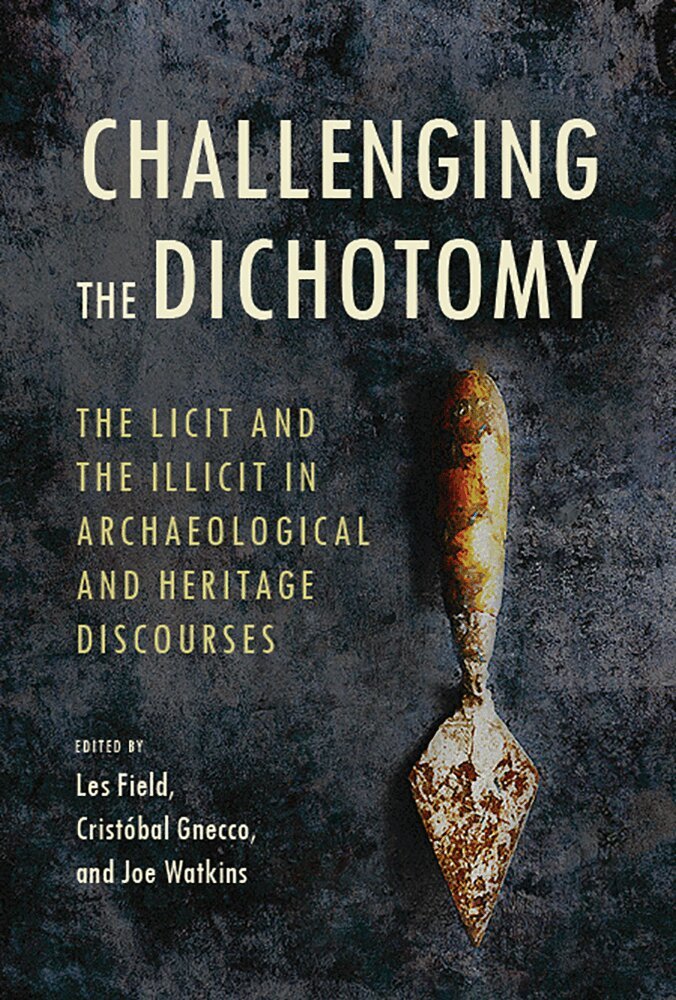
Challenging the Dichotomy explores how dichotomies regarding heritage dominate the discourse of ethics, practices, and institutions. Examining issues of cultural heritage law, policy, and implementation, editors Les Field, CristÓbal Gnecco, and Joe Watkins guide the focus to important discussions of the binary oppositions of the licit and the illicit, the scientific and the unscientific, incorporating case studies that challenge those apparent contradictions. Utilizing both ethnographic and archaeological examples, contributors ask big questions vital to anyone working in cultural heritage. What are the issues surrounding private versus museum collections? What is considered looting? Is archaeology still a form of colonialization? The contributors discuss this vis-À-vis a global variety of contexts and cultures from the United States, South Africa, Argentina, New Zealand, Honduras, Colombia, Palestine, Greece, Canada, and from the Nasa, Choctaw, and Maori nations. Challenging the Dichotomy underscores how dichotomies—such as licit/illicit, state/nonstate, public/private, scientific/nonscientific—have been constructed and how they are now being challenged by multiple forces. Throughout the eleven chapters, contributors provide examples of hegemonic relationships of power between nations and institutions. Scholars also reflect on exchanges between Western and non-Western epistemologies and ontologies. The book’s contributions are significant, timely, and inclusive. Challenging the Dichotomy examines the scale and scope of “illicit” forms of excavation, as well as the demands from minority and indigenous subaltern peoples to decolonize anthropological and archaeological research.
2 119 kr
Skickas inom 10-15 vardagar
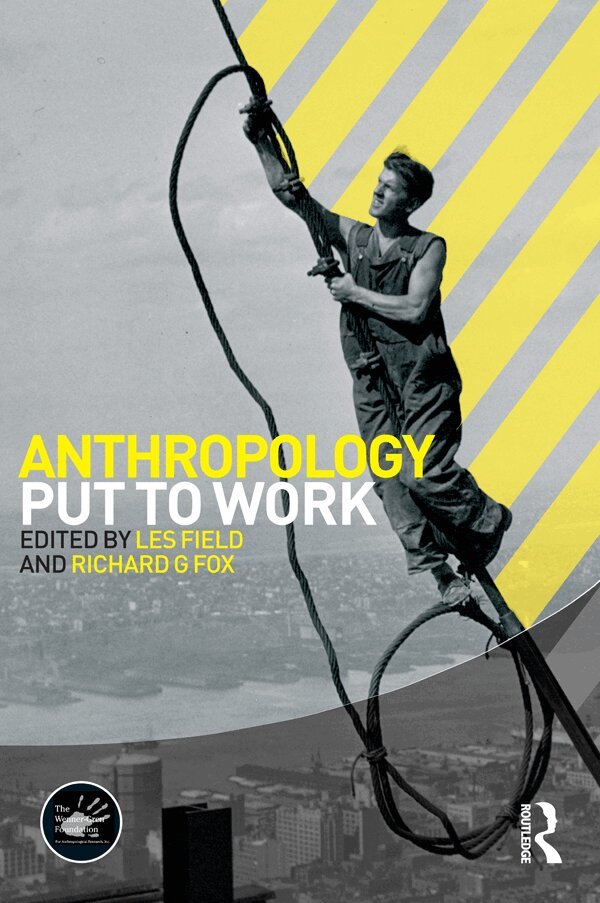
How do anthropologists work today and how will they work in future? While some anthropologists have recently called for a new "public" or "engaged" anthropology, profound changes have already occurred, leading to new kinds of work for a large number of anthropologists. The image of anthropologists "reaching out" from protected academic positions to a vaguely defined "public" is out of touch with the working conditions of these anthropologists, especially those junior and untenured. The papers in this volume show that anthropology is put to work in diverse ways today. They indicate that the new conditions of anthropological work require significant departures from canonical principles of cultural anthropology, such as replacing ethnographic rapport with multiple forms of collaboration. This volume's goal is to help graduate students and early-career scholars accept these changes without feeling something essential to anthropology has been lost. There really is no other choice for most young anthropologists.
470 kr
Skickas inom 10-15 vardagar
How do anthropologists work today and how will they work in future? While some anthropologists have recently called for a new "public" or "engaged" anthropology, profound changes have already occurred, leading to new kinds of work for a large number of anthropologists. The image of anthropologists "reaching out" from protected academic positions to a vaguely defined "public" is out of touch with the working conditions of these anthropologists, especially those junior and untenured. The papers in this volume show that anthropology is put to work in diverse ways today. They indicate that the new conditions of anthropological work require significant departures from canonical principles of cultural anthropology, such as replacing ethnographic rapport with multiple forms of collaboration. This volume's goal is to help graduate students and early-career scholars accept these changes without feeling something essential to anthropology has been lost. There really is no other choice for most young anthropologists.