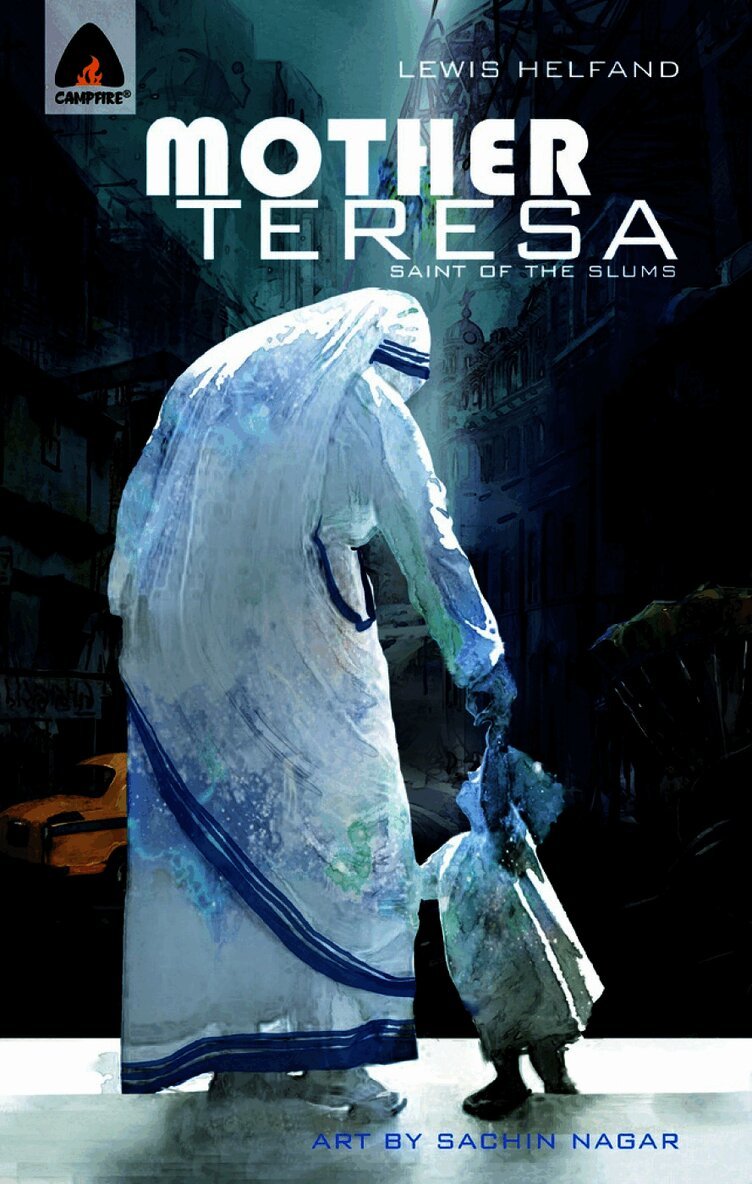
In the 1940's, Calcutta had become decimated by famine, poverty, war and unemployment. Slums began to surface throughout the city and thousands were homeless, dying of disease or starvation. Alone and forgotten, these poorest of the poor were desperate for someone, anyone, to recognize their plight and help them. That help arrived in the form of Mother Teresa.Albanian-born, Mother Teresa knew from a young age that she wanted to become a nun and devote her life to God. What she could not envision, however, was exactly where that service to God would take her. Sent to Calcutta to teach history and geography from within the safe confines of a convent, Mother Teresa could not ignore the plight of the homeless and the dying. So she chose to give up everything in her life to serve those most in need. With nothing but her faith to guide her, she took to the slums with the hope that she could make a difference in the lives of at least a few lost souls. And with her pure heart and beautiful spirit, she wound up touching millions.
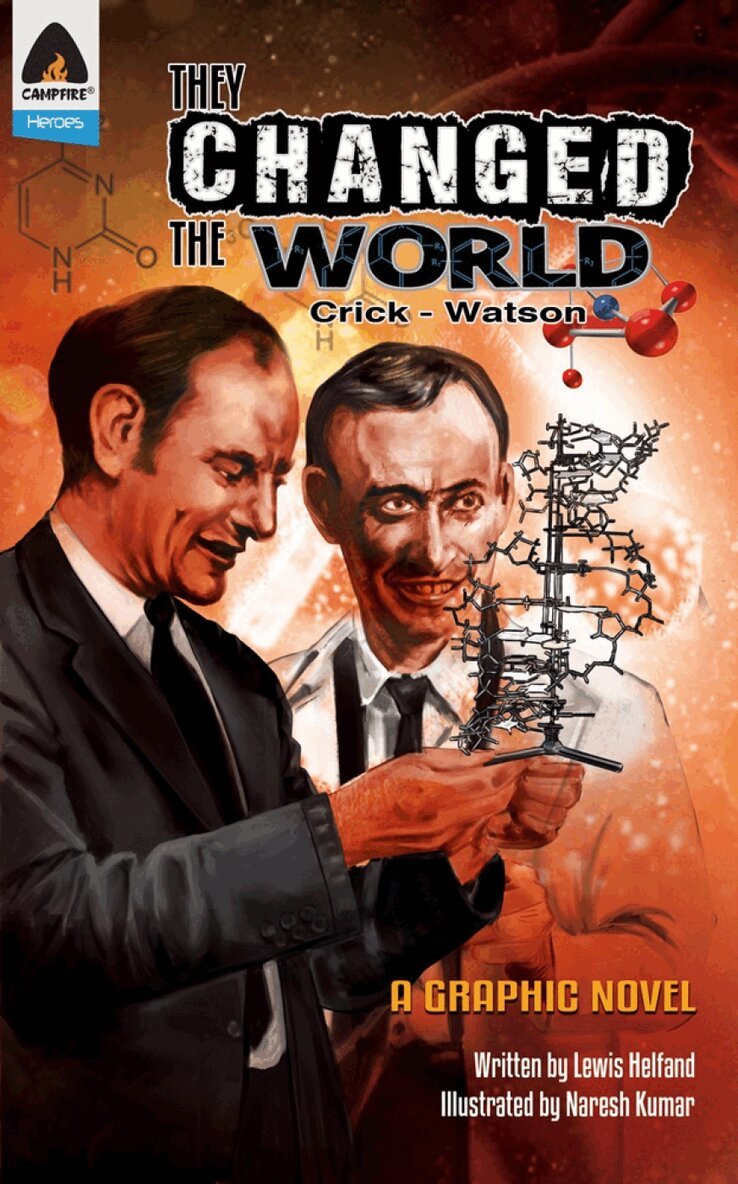
Since the dawn of civilization, we have searched for answers to what makes life possible, and in the mid-twentieth century we found them through the persistent efforts of James Watson and Francis Crick. Although the groundwork for the discovery had already been laid out, it was Watson and Crick's derivation of the three-dimensional, double-helical model for the structure of DNA that solved the final piece of the puzzle and won them the Nobel Prize in Physiology or Medicine in 1962. That is only a single moment of triumph, though, and the journey they took to get there was a long and arduous one.Find out how Crick and Watson beat their rivals to unlock the secrets of life itself as they unravelled the mystery behind DNA and changed not only science but the world we live in.