Lewis J. Kaplan - Böcker
Visar alla böcker från författaren Lewis J. Kaplan. Handla med fri frakt och snabb leverans.
6 produkter
6 produkter
962 kr
Skickas inom 7-10 vardagar
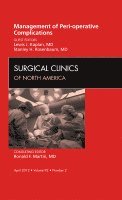
Management of Peri-operative Complications is examined in the issue of Surgical Clinics, guest edited Drs. Lewis Kaplan and Stanley Rosenbaum. Topics include:� fluids and electrolytes, hypoperfusion, shock states and ACS, surgical prophylaxis and complication avoidance bundles, NSQIP, SCIP and TQIP, post-operative malnutrition and probiotic therapy, post-operative malnutrition and probiotic therapy, damage control for intra-abdominal sepsis, multi-drug resistant organisms and antibiotic management, pneumonia and acute pulmonary failure, organ failure avoidance and mitigation strategies, delirium, EtOH withdrawl and polypharmacy withdrawl states, cellular and molecular physiology of nerve injury and persistent post-operative pain, acute pain management following operation: preventing chronic post-operative pain, massive transfusion and related issues, post-op ileus, SBO and colonic dysmotility, GI hemorrhage, and in-hospital rescue therapies.
2 163 kr
Skickas inom 10-15 vardagar
75% of patients who die from trauma have injuries to the chest. The care of the chest trauma patient can be incredibly complex, require multiple specialty and sub-specialty services, and may require interventions available only at quaternary referral centers.This book provides a comprehensive, state-of-the-art overview of chest trauma. The text reviews all aspects of chest wall, intra-thoracic organ, and great vessel injury management, with each section of the book structured anatomically to explore specific treatment options.The first section of the book contains an overview and introduction to the topic, discussing the definition and significance of chest trauma, initial resuscitation of the chest trauma patient, and centers of excellence, health systems, and regionalization. The following section is focused on chest wall injury, with chapters on acute rib fractures, sternal fracture, clavicle and scapula fractures, non-surgical aids in fracture healing, and anesthesia considerations. The next section spotlights thoracic organ injury, specifically focusing on cardiac injury, aorta and great vessel injury, esophageal injury, tracheal and pulmonary injury, and thoraco-abdominal and combined injuries.Since injury care alone is insufficient in guiding the totality of care, the fourth section is dedicated to inpatient critical care. Topics covered in this section include principles of ICU resuscitation, coagulopathy management, ICU monitoring, ventilator management, and advanced acute pain management. With the increase in violent extremism around the world, including the use of non-conventional weapons, as well as the plethora of natural and man-made disasters, disaster and mass casualty events is the timely subject of the book's final section. Specific topics tackled in this section include blast injury, blast lung, pulmonary aspiration, thoracic crush injury after natural and man-made disasters, toxic agent exposures, the role of the local facility during a national disaster, and the ethics of resource of allocation. The text also features over 100 high-yield illustrations, photographs, and tables.
1 516 kr
Skickas inom 10-15 vardagar
75% of patients who die from trauma have injuries to the chest. The care of the chest trauma patient can be incredibly complex, require multiple specialty and sub-specialty services, and may require interventions available only at quaternary referral centers.This book provides a comprehensive, state-of-the-art overview of chest trauma. The text reviews all aspects of chest wall, intra-thoracic organ, and great vessel injury management, with each section of the book structured anatomically to explore specific treatment options.The first section of the book contains an overview and introduction to the topic, discussing the definition and significance of chest trauma, initial resuscitation of the chest trauma patient, and centers of excellence, health systems, and regionalization. The following section is focused on chest wall injury, with chapters on acute rib fractures, sternal fracture, clavicle and scapula fractures, non-surgical aids in fracture healing, and anesthesia considerations. The next section spotlights thoracic organ injury, specifically focusing on cardiac injury, aorta and great vessel injury, esophageal injury, tracheal and pulmonary injury, and thoraco-abdominal and combined injuries.Since injury care alone is insufficient in guiding the totality of care, the fourth section is dedicated to inpatient critical care. Topics covered in this section include principles of ICU resuscitation, coagulopathy management, ICU monitoring, ventilator management, and advanced acute pain management. With the increase in violent extremism around the world, including the use of non-conventional weapons, as well as the plethora of natural and man-made disasters, disaster and mass casualty events is the timely subject of the book's final section. Specific topics tackled in this section include blast injury, blast lung, pulmonary aspiration, thoracic crush injury after natural and man-made disasters, toxic agent exposures, the role of the local facility during a national disaster, and the ethics of resource of allocation. The text also features over 100 high-yield illustrations, photographs, and tables.
3 298 kr
Kommande
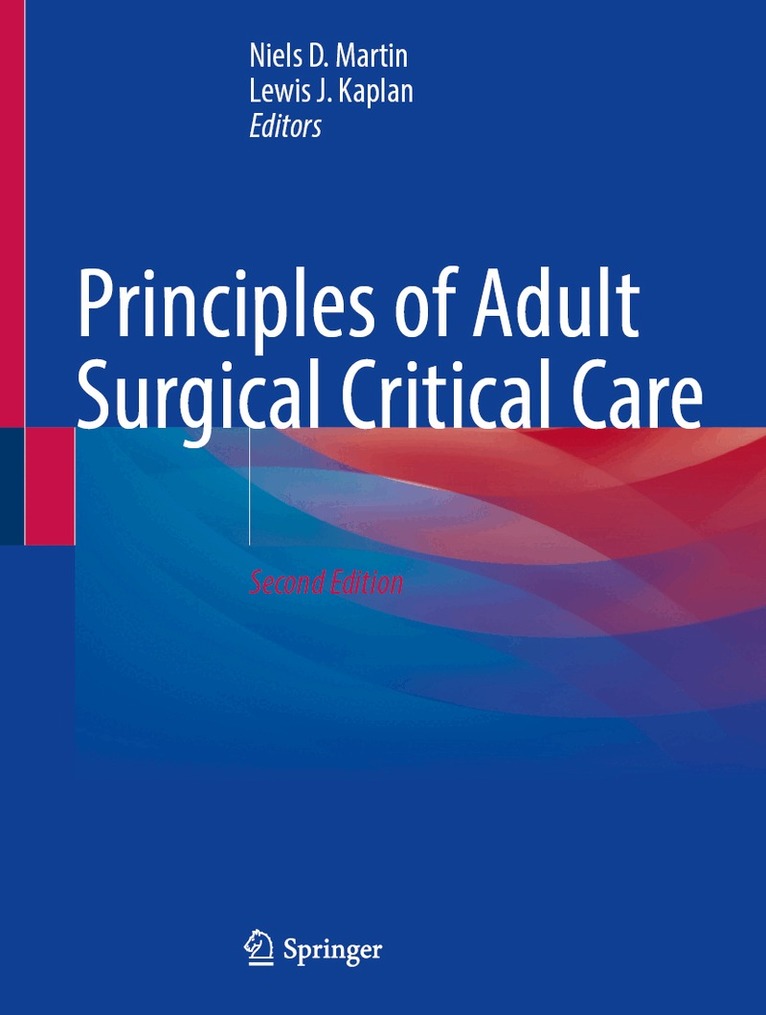
The second edition of this text provides an expanded and comprehensive exploration of adult surgical critical care relevant for resource-replete and resource-constrained acute care settings. It can be used to review complex critical illness or injury topics in surgical patients, as a reference tool, a resource for board examination preparation, or as a guide for program development. Focused on the surgical patient, this text leverages a structured approach that includes key points, evidence-based management, and critical care principles underpinned by new knowledge discovery. Each chapter identifies controversies as well as adaptations for resource-constrained settings, and the international authorship underscores the global applicability of this work.Novel topics for the second edition include caring for the neurodiverse patient, the role of disordered lymphatic flow, deresuscitation, vascular pathologies, management of complex intra-abdominal surgery patients, the role of the microbiome in surgical critical care, obstetric and gynecologic critical care, organ donor management, as well as ethical elements of multicultural care. The text is written with an expectation that the reader possesses a foundation in critical care pathophysiology and clinical practices acquired during parent discipline training. Organized into organ system-based sections, each section contains several chapters addressing relevant disorders, monitoring and treatment modalities, and outcomes. Sections are guided by expert Section Editors who are leaders within their respective fields.Principles of Adult Surgical Critical Care, Second Edition will be of use to intensivists caring for surgical patients regardless of parent training domain. Additionally, this work is intended to be used by surgical critical care fellowship trainees as well as advanced practice providers such as nurse practitioners and physician assistants who provide care in ICUs and emergency departments alike.
2 181 kr
Skickas inom 10-15 vardagar
This text provides a high level, comprehensive but concise review of adult surgical critical care. Principles of Adult Surgical Critical Care will be of use to intensivists caring for surgical patients regardless of parent training domain.
1 422 kr
Skickas inom 10-15 vardagar
This text provides a high level, comprehensive but concise review of adult surgical critical care. Principles of Adult Surgical Critical Care will be of use to intensivists caring for surgical patients regardless of parent training domain.