Li Defeng – författare
Visar alla böcker från författaren Li Defeng. Handla med fri frakt och snabb leverans.
5 produkter
5 produkter
Häftad, Engelska, 2018
700 kr
Skickas inom 10-15 vardagar
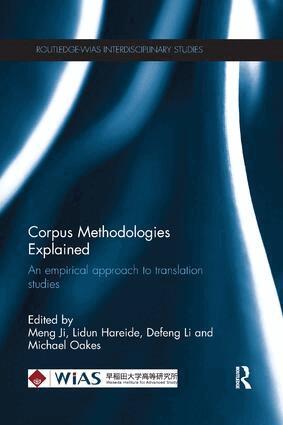
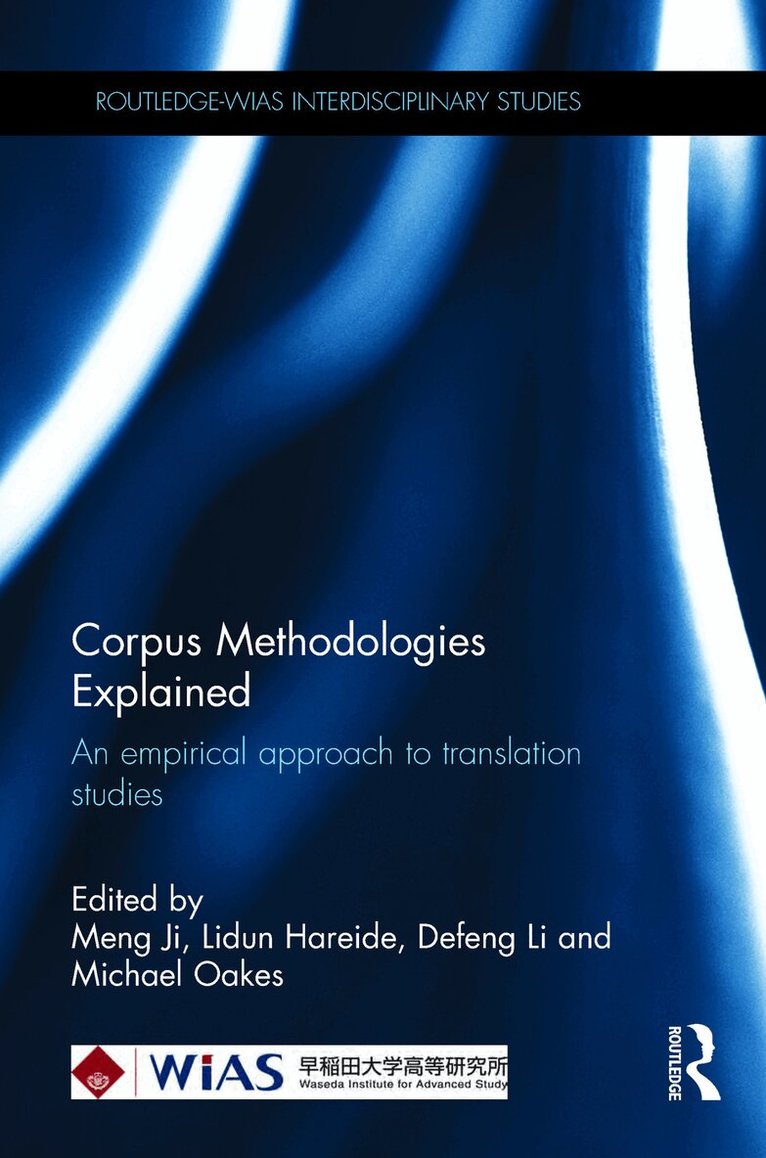
This book introduces the latest advances in Corpus-Based Translation Studies (CBTS), a thriving subfield of Translation Studies which forms an important part of both translator training and empirical translation research. Largely empirical and exploratory, a distinctive feature of CBTS is the development and exploration of quantitative linguistic data in search of useful patterns of variation and change in translation. With the introduction of textual statistics to Translation Studies, CBTS has geared towards a new research direction that is more systematic in the identification of translation patterns; and more explanatory of any linguistic variations identified in translations. The book traces the advances from the advent of language corpora in translation studies, to the new textual dimensions and shift towards a probability-variation model. Such advances made in CBTS have enabled in-depth analyses of translation by establishing useful links between a translation and the social and cultural context in which the translation is produced, circulated and consumed.
Inbunden, Engelska, 2016
2 460 kr
Skickas inom 10-15 vardagar
This book introduces the latest advances in Corpus-Based Translation Studies (CBTS), a thriving subfield of Translation Studies which forms an important part of both translator training and empirical translation research. Largely empirical and exploratory, a distinctive feature of CBTS is the development and exploration of quantitative linguistic data in search of useful patterns of variation and change in translation. With the introduction of textual statistics to Translation Studies, CBTS has geared towards a new research direction that is more systematic in the identification of translation patterns; and more explanatory of any linguistic variations identified in translations. The book traces the advances from the advent of language corpora in translation studies, to the new textual dimensions and shift towards a probability-variation model. Such advances made in CBTS have enabled in-depth analyses of translation by establishing useful links between a translation and the social and cultural context in which the translation is produced, circulated and consumed.
E-bok
Engelska, 2016802 kr
Läs direkt efter köp
This book introduces the latest advances in Corpus-Based Translation Studies (CBTS), a thriving subfield of Translation Studies which forms an important part of both translator training and empirical translation research. Largely empirical and exploratory, a distinctive feature of CBTS is the development and exploration of quantitative linguistic data in search of useful patterns of variation and change in translation. With the introduction of textual statistics to Translation Studies, CBTS has geared towards a new research direction that is more systematic in the identification of translation patterns; and more explanatory of any linguistic variations identified in translations. The book traces the advances from the advent of language corpora in translation studies, to the new textual dimensions and shift towards a probability-variation model. Such advances made in CBTS have enabled in-depth analyses of translation by establishing useful links between a translation and the social and cultural context in which the translation is produced, circulated and consumed.
E-bok
PDF, Engelska, 2016802 kr
Läs direkt efter köp
This book introduces the latest advances in Corpus-Based Translation Studies (CBTS), a thriving subfield of Translation Studies which forms an important part of both translator training and empirical translation research. Largely empirical and exploratory, a distinctive feature of CBTS is the development and exploration of quantitative linguistic data in search of useful patterns of variation and change in translation. With the introduction of textual statistics to Translation Studies, CBTS has geared towards a new research direction that is more systematic in the identification of translation patterns; and more explanatory of any linguistic variations identified in translations. The book traces the advances from the advent of language corpora in translation studies, to the new textual dimensions and shift towards a probability-variation model. Such advances made in CBTS have enabled in-depth analyses of translation by establishing useful links between a translation and the social and cultural context in which the translation is produced, circulated and consumed.
E-bok
Kinesiska, 2021607 kr
Läs direkt efter köp
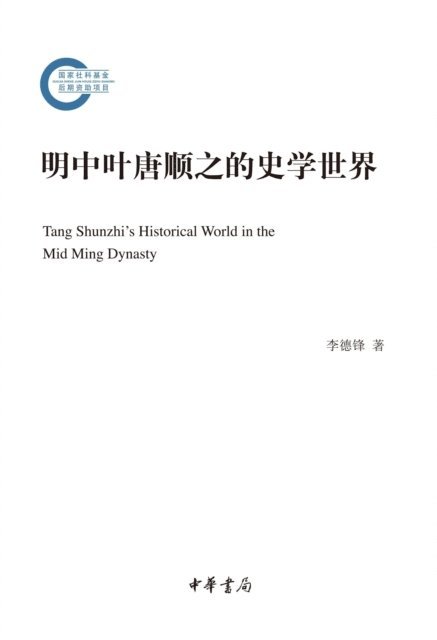
Tang Shunzhi's historiography, deeply rooted in the political, ideological and historical background of the mid-Ming Dynasty, is rich in content. The characteristics of historiography are changeable throughout life, and it has roughly experienced the maturity from the early study of the classics to the later compilation of theories and historical comments. For his daily entertainment and official duties, he wrote a certain number of biographies and inspection records, and participated in the transcription of actual records, which became an organic part of the history of the Ming Dynasty. His historiography had a direct and extensive influence on the development of Ming Dynasty historiography in terms of enlightenment and practical application. Tang Shunzhi also enriched and deepened our understanding of the interactive relationship between "e;national history"e; and "e;unofficial history"e; with his "e;coming out of his later years"e;. To broaden the horizon of history, Tang Shunzhi, as an ordinary scholar in the middle of Ming Dynasty, his historiographical value is not only limited to the direct expression of his own historiography, but also because of its "e;ordinary"e; and "e;general"e; universal meaning, to a certain extent, it represents the general occurrence and development of historiography in the middle of the Ming Dynasty; At the same time, according to the understanding of "e;To see a world in a grain of sand, and a heaven in a wild flower"e;, his complete development of historiography also reflects the development of Ming Dynasty historiography and even the entire ancient Chinese historiography to some extent.