Li Narangoa – författare
Visar alla böcker från författaren Li Narangoa. Handla med fri frakt och snabb leverans.
5 produkter
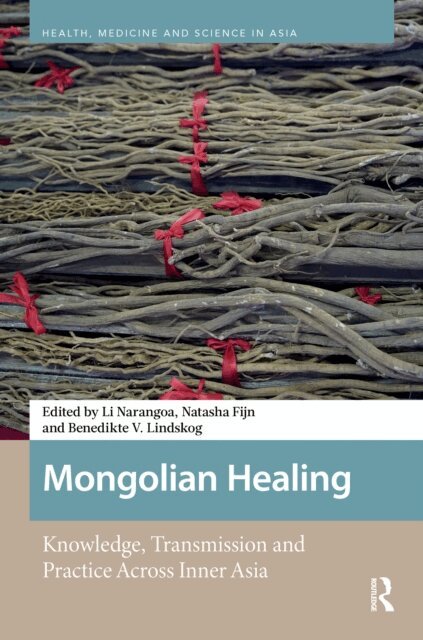
Mongolian Healing
Knowledge, Transmission and Practice Across Inner Asia
Av Benedikte V. Lindskog, Natasha Fijn m. fl.
E-bok, 2026
831 kr
Lägg i varukorg
Mongolian Healing: Knowledge, Transmission and Practice Across Inner Asia explores the rich and diverse medicinal healing practices by Mongolian communities across Mongolia, Inner Mongolia and Kalmykia. This edited volume brings together scholars from various disciplines to examine knowledge …
Mongolian Healing
Knowledge, Transmission and Practice Across Inner Asia
Av Benedikte V. Lindskog, Natasha Fijn m. fl.
E-bok, 2026
831 kr
Lägg i varukorg
Mongolian Healing: Knowledge, Transmission and Practice Across Inner Asia explores the rich and diverse medicinal healing practices by Mongolian communities across Mongolia, Inner Mongolia and Kalmykia. This edited volume brings together scholars from various disciplines to examine knowledge …
Joro's Youth: The first part of the Mongolian epic of Geser Khan
Av Igor De Rachewiltz, Li Narangoa
Häftad, 2017
343 kr
Lägg i varukorg
End of Empire
100 Days in 1945 That Changed Asia and the World
Av David P. Chandler, Robert Cribb m. fl.
Häftad, 2016
281 kr
Lägg i varukorg
Almost nowhere in eastern Asia did the end of World War II bring peace. Within days, the fragile wartime truce between Nationalists and Communists in China began to fray. Even before Japan's formal surrender, nationalist revolutions were sweeping through much of the region, most notably in Vietnam …
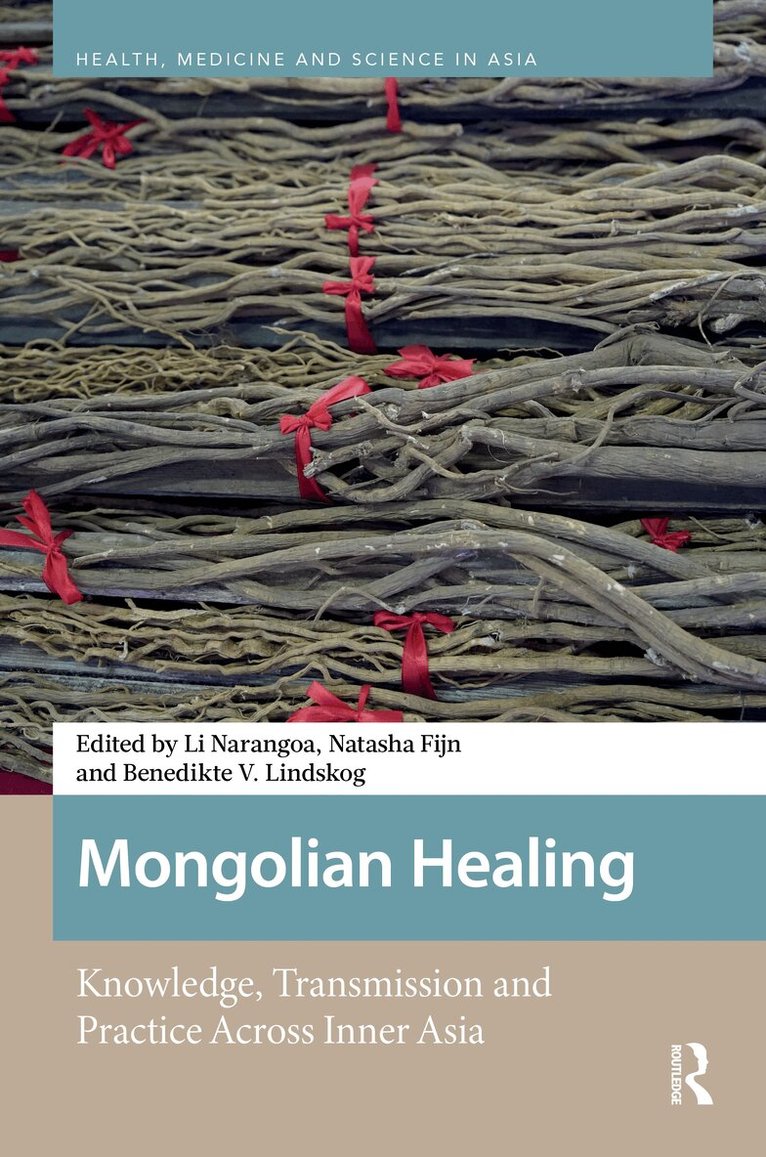
Mongolian Healing
Knowledge, Transmission and Practice Across Inner Asia
Av Li Narangoa, Natasha Fijn m. fl.
Inbunden, 2026
2586 kr
Lägg i varukorg
Mongolian Healing: Knowledge, Transmission and Practice Across Inner Asia explores the rich and diverse medicinal healing practices by Mongolian communities across Mongolia, Inner Mongolia and Kalmykia.This edited volume brings together scholars from various disciplines to examine knowledge systems …