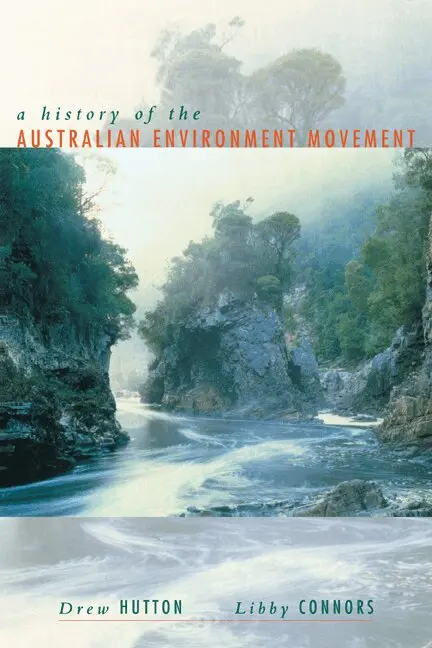
This book traces the development of the environment movement in Australia from the first visionaries who pressed for preservation of native fauna and for sanitation in cities to a mass social movement that challenges the most powerful interests in society. European settlers responded strongly, and often unwisely, to the unique flora, fauna and landscapes of Australia. The authors examine the social biases and traditions which contributed to the rise of an environmental ethic in the late nineteenth century. They then analyse the campaigns of the second wave, showing how the environment movement evolved as a social movement and became a sophisticated factor in the political process. The authors, professional historians and environmental activists, have written an original and highly readable book for social scientists and historians, as well as activists and general readers.
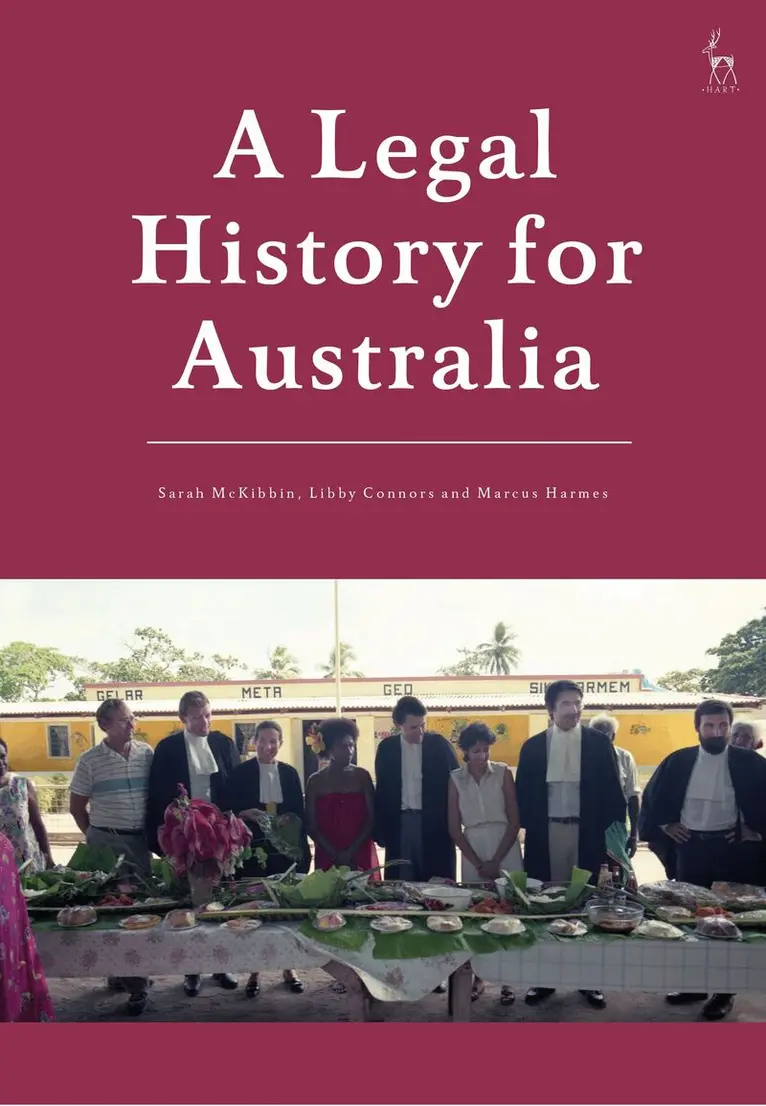
This is a contemporary legal history book for Australian law students, written in an engaging style and rich with learning features and illustrations. The writers are a unique combination of talents, bringing together their fields of research and teaching in Australian history, British constitutional history and modern Australian law. The first part provides the social and political contexts for legal history in medieval and early modern England and America, explaining the English law which came to Australia in 1788. This includes:The origins of the common lawThe growth of the legal professionThe making of the Magna Carta The English Civil Wars The Bill of RightsThe American War of Independence.The second part examines the development of the law in Australia to the present day, including:The English criminal justice system and convict transportationThe role of the Privy Council in 19th century Indigenous Australia in the colonial period The federation movementConstitutional Independence The 1967 Australian referendum and the land rights movement.The comprehensive coverage of several centuries is balanced by a dynamic writing style and tools to guide the student through each chapter including learning outcomes, chapter outlines and discussion points. The historical analysis is brought to life by the use of primary documentary evidence such as charters, statutes, medieval source books and Coke's reports, and a series of historical cameos - focused studies of notable people and issues from King Edward I and Edward Coke to Henry Parkes and Eddie Mabo - and constitutional detours addressing topics such as the separation of powers, judicial review and federalism.A Legal History for Australia is an engaging textbook, cogently written and imaginatively resourced and is supported by a companion website: https://www.bloomsburyonlineresources.com/a-legal-history-for-australia
This is a contemporary legal history book for Australian law students, written in an engaging style and rich with learning features and illustrations. The writers are a unique combination of talents, bringing together their fields of research and teaching in Australian history, British constitutional history and modern Australian law. The first part provides the social and political contexts for legal history in medieval and early modern England and America, explaining the English law which came to Australia in 1788. This includes:The origins of the common lawThe growth of the legal professionThe making of the Magna Carta The English Civil Wars The Bill of RightsThe American War of Independence.The second part examines the development of the law in Australia to the present day, including:The English criminal justice system and convict transportationThe role of the Privy Council in 19th century Indigenous Australia in the colonial period The federation movementConstitutional Independence The 1967 Australian referendum and the land rights movement.The comprehensive coverage of several centuries is balanced by a dynamic writing style and tools to guide the student through each chapter including learning outcomes, chapter outlines and discussion points. The historical analysis is brought to life by the use of primary documentary evidence such as charters, statutes, medieval source books and Coke''s reports, and a series of historical cameos - focused studies of notable people and issues from King Edward I and Edward Coke to Henry Parkes and Eddie Mabo - and constitutional detours addressing topics such as the separation of powers, judicial review and federalism.A Legal History for Australia is an engaging textbook, cogently written and imaginatively resourced and is supported by a companion website: https://www.bloomsburyonlineresources.com/a-legal-history-for-australia
Why have liberal democracies with proud traditions of democracy and free speech become obsessed with hate speech laws and are anxious about offending citizens’ feelings? Is the issue of trans rights simply a matter of being kind to a minority group who already have the same rights as everyone else?The writers and editors in Over the Rainbow examine how concerns about the welfare of a small minority have been turned into an ideology that challenges the rights of women, lesbians, and gay men, as well as gaining control of many of the institutions of our society. Even biology and science itself are under threat. A new set of ‘facts’ about sex and gender swept across the English-speaking world and Europe over the past decade disrupting Green and left parties’ long-standing commitments to the rights of women.Over the Rainbow brings together writers in the fields of community services, therapy and medicine, politics and theory, workplace and sporting culture, the arts and law to explore the stultifying impact that dogmatic adherence to trans ideology has had on everyday life and culture. Together they articulate the underpinning theory and philosophy of gender ideology as well as to explain how these ideas were applied within organisations to override free speech and shut down dissent. This new dogma has embedded itself across the English-speaking world and this book includes writers from the USA, Canada and the United Kingdom, as well as Australia to illustrate its rigidity and negative impacts on civic culture. Free speech and civil society organisations have been essential to the success of representative democracy. The writers in this book hope to contribute to a re-opening of civic discourse.