
Lidija Zdravkovic - Böcker
Visar alla böcker från författaren Lidija Zdravkovic. Handla med fri frakt och snabb leverans.
4 produkter
4 produkter
2 376 kr
Skickas inom 5-8 vardagar
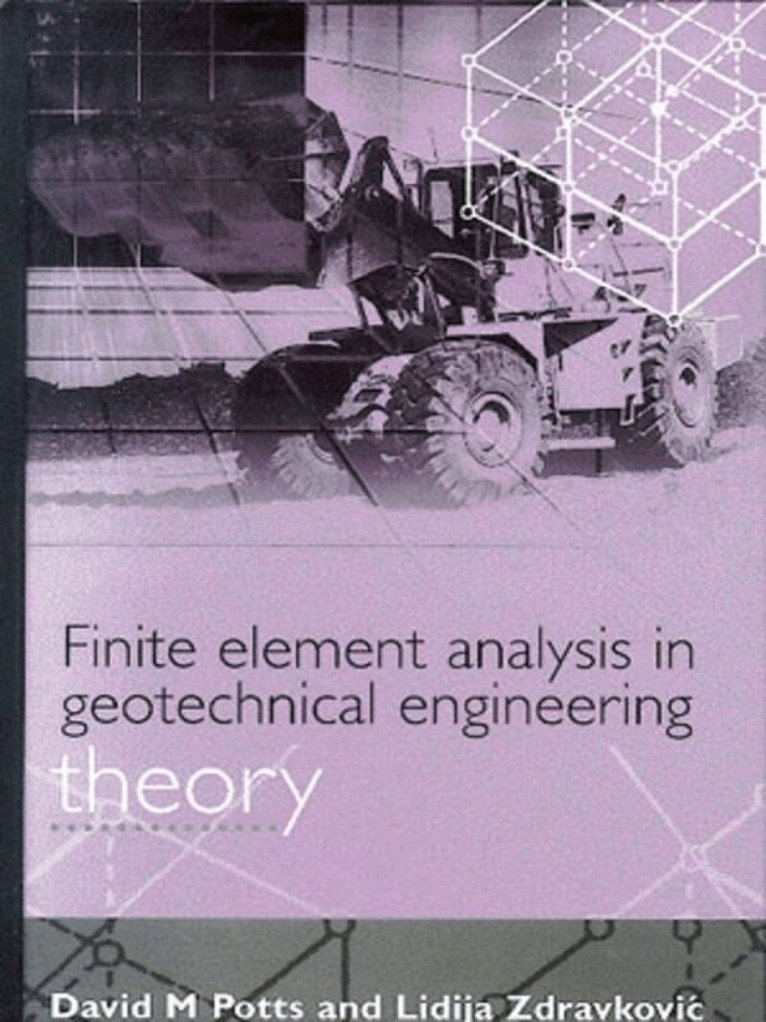
This comprehensive new two-volume work provides the reader with a detailed insight into the use of the finite element method in geotechnical engineering. As specialist knowledge required to perform geotechnical finite element analysis is not normally part of a single engineering degree course, this lucid work will prove invaluable. It brings together essential information presented in a manner understandable to most engineers.Volume 1 presents the theory, assumptions and approximations involved in finite element analysis while Volume 2 concentrates on its practical applications to real geotechnical problems. The theory explored in the first volume is referred to in the case studies of the second volume to provide a holistic impression of finite element analysis as it is applied in geotechncial engineering. Using practical examples, the second volume illustrates the restrictions, pitfalls, advantages and disadvantages of numerical analysis. The authors examine popular constitutive models, numerical techniques and case studies.Together, both volumes aim to provide the reader with sufficient knowledge to judge the credibility of the numerical results that the reader may obtain, or review, in the future. Finite element analysis in geotechnical engineering: theory and application will be essential reading for practising geotechnical and structural engineers and researchers, particularly users of commercial finite element software, both in industry and in academia. Students performing project work at undergraduate and postgraduate level will also find this book invaluable.
1 782 kr
Skickas inom 7-10 vardagar
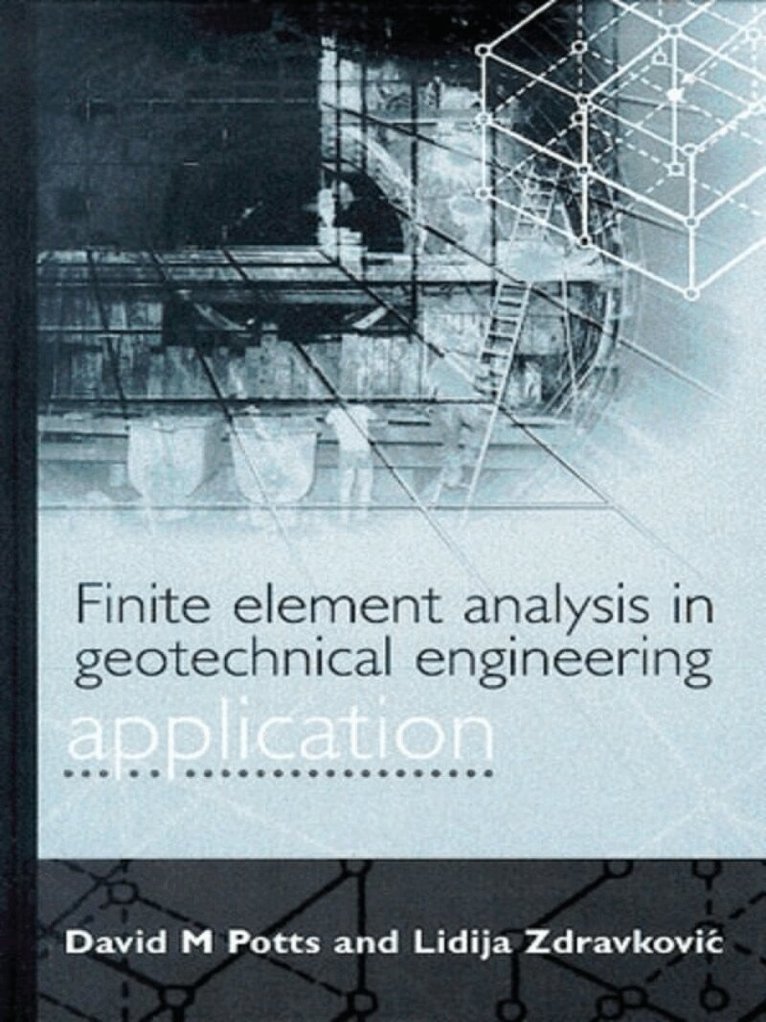
This comprehensive new two-volume work provides the reader with a detailed insight into the use of the finite element method in geotechnical engineering. As specialist knowledge required to perform geotechnical finite element analysis is not normally part of a single engineering degree course, this lucid work will prove invaluable. It brings together essential information presented in a manner understandable to most engineers.Volume 1 presents the theory, assumptions and approximations involved in finite element analysis while Volume 2 concentrates on its practical applications to real geotechnical problems. The theory explored in the first volume is referred to in the case studies of the second volume to provide a holistic impression of finite element analysis as it is applied in geotechncial engineering. Using practical examples, the second volume illustrates the restrictions, pitfalls, advantages and disadvantages of numerical analysis. The authors examine popular constitutive models, numerical techniques and case studies.Together, both volumes aim to provide the reader with sufficient knowledge to judge the credibility of the numerical results that the reader may obtain, or review, in the future. Finite element analysis in geotechnical engineering: theory and application will be essential reading for practising geotechnical and structural engineers and researchers, particularly users of commercial finite element software, both in industry and in academia. Students performing project work at undergraduate and postgraduate level will also find this book invaluable.
3 144 kr
Skickas inom 7-10 vardagar
This comprehensive new two-volume work provides the reader with a detailed insight into the use of the finite element method in geotechnical engineering. As specialist knowledge required to perform geotechnical finite element analysis is not normally part of a single engineering degree course, this lucid work will prove invaluable. It brings together essential information presented in a manner understandable to most engineers.Volume 1 presents the theory, assumptions and approximations involved in finite element analysis while Volume 2 concentrates on its practical applications to real geotechnical problems. The theory explored in the first volume is referred to in the case studies of the second volume to provide a holistic impression of finite element analysis as it is applied in geotechncial engineering. Using practical examples, the second volume illustrates the restrictions, pitfalls, advantages and disadvantages of numerical analysis. The authors examine popular constitutive models, numerical techniques and case studies.Together, both volumes aim to provide the reader with sufficient knowledge to judge the credibility of the numerical results that the reader may obtain, or review, in the future. Finite element analysis in geotechnical engineering: theory and application will be essential reading for practising geotechnical and structural engineers and researchers, particularly users of commercial finite element software, both in industry and in academia. Students performing project work at undergraduate and postgraduate level will also find this book invaluable.
911 kr
Skickas inom 7-10 vardagar
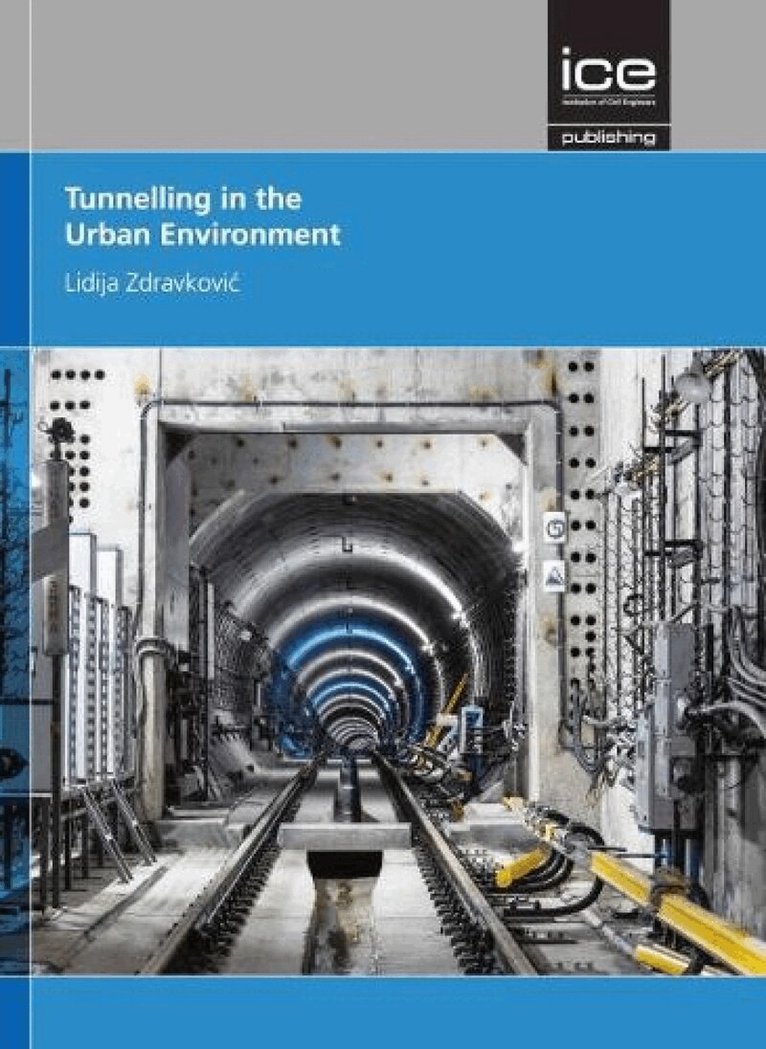
With urban tunnel construction growing worldwide, the ability to accurately predict the ground and structural response to tunnelling and the associated risks is now more important than ever before. Engineers are expected to consider all aspects of tunnel engineering in order to safeguard existing infrastructure, by employing field monitoring, physical modelling and numerical analysis in developing a detailed knowledge of multiple soil-structure interactions.The Géotechnique Symposium in Print took place at the Institution of Civil Engineers on 14th September 2017 to discuss the wider aspects of tunnelling in urban locales. The papers included here bring together important international research presented at the symposium and featured in Géotechnique. Topics of discussion, amongst others, included:case studies from Crossrail, CTRL and Barcelona metro projectsopen-face tunnelling effects on non-displacement piles in clayinfluence of building characteristics on tunnelling-induced ground movementsimpact of new tunnel construction on structural performance of existing tunnels.Tunnelling in the Urban Environment offers practitioners and researchers alike with important coverage of the increasingly complex and varied challenges engineers have to face when constructing tunnels in urban centres.