Liesbeth van de Grift – författare
Visar alla böcker från författaren Liesbeth van de Grift. Handla med fri frakt och snabb leverans.
6 produkter
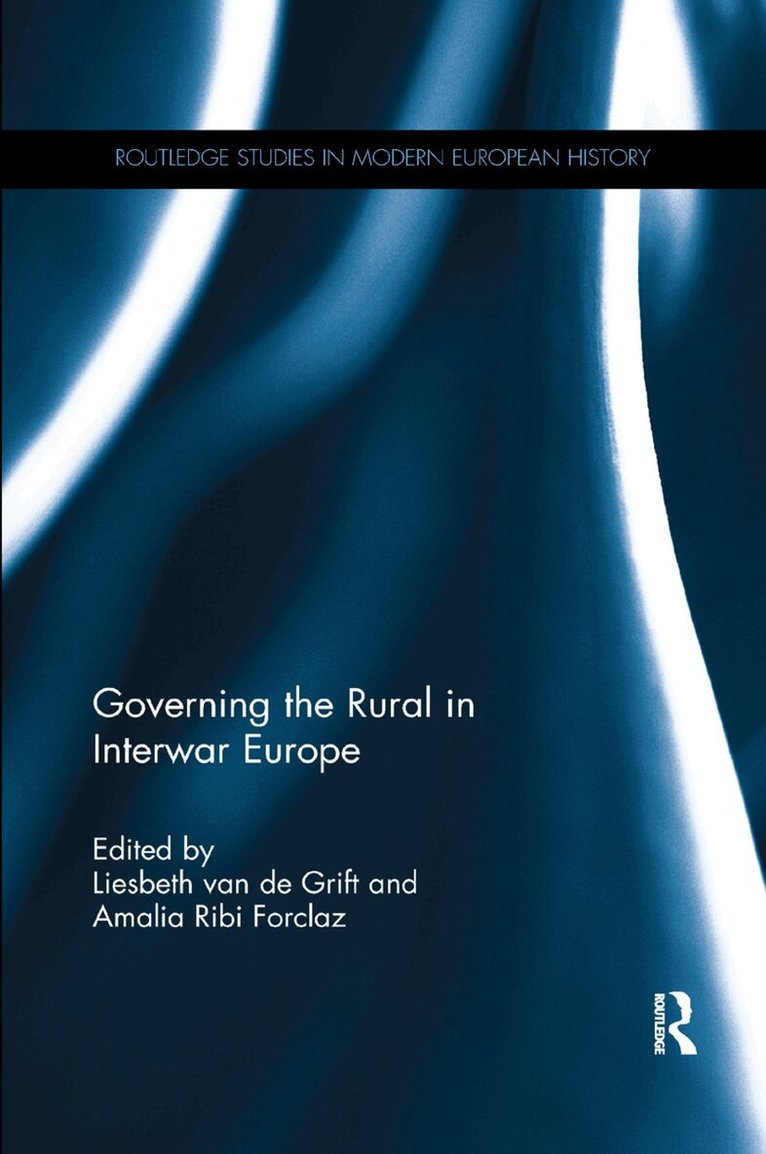
Governing the Rural in Interwar Europe
Av Liesbeth van de Grift, Amalia Forclaz
Häftad, 2019
924 kr
Lägg i varukorg
This book examines how rural Europe as a hybrid social and natural environment emerged as a key site of local, national and international governance in the interwar years. The post-war need to secure and intensify food production, to protect contested border areas, to improve rural infrastructure …
Governing the Rural in Interwar Europe
Av Liesbeth van de Grift, Amalia Forclaz
Inbunden, 2017
2586 kr
Lägg i varukorg
This book examines how rural Europe as a hybrid social and natural environment emerged as a key site of local, national and international governance in the interwar years. The post-war need to secure and intensify food production, to protect contested border areas, to improve rural infrastructure …
Governing the Rural in Interwar Europe
Av Amalia Forclaz, Liesbeth van de Grift
E-bok, 2017
1124 kr
Lägg i varukorg
This book examines how rural Europe as a hybrid social and natural environment emerged as a key site of local, national and international governance in the interwar years. The post-war need to secure and intensify food production, to protect contested border areas, to improve rural infrastructure …
Governing the Rural in Interwar Europe
Av Amalia Forclaz, Liesbeth van de Grift
E-bok, 2017
1124 kr
Lägg i varukorg
This book examines how rural Europe as a hybrid social and natural environment emerged as a key site of local, national and international governance in the interwar years. The post-war need to secure and intensify food production, to protect contested border areas, to improve rural infrastructure …
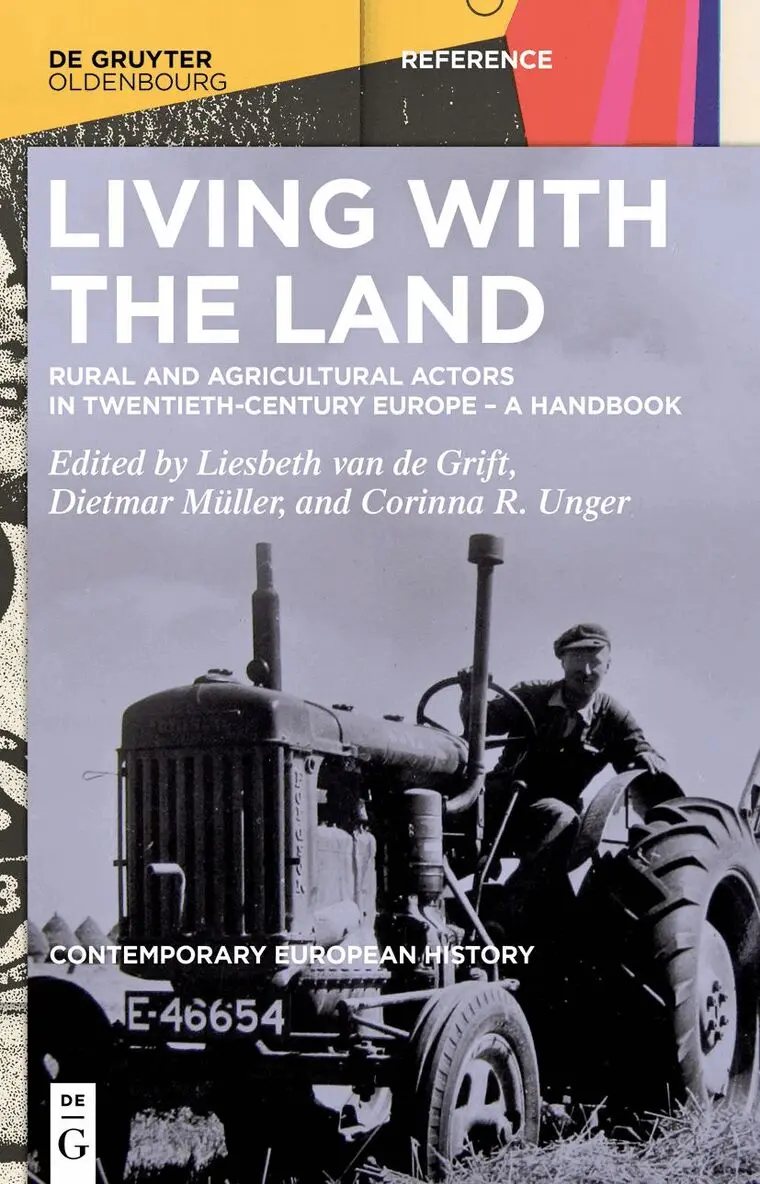
Living with the Land
Rural and Agricultural Actors in Twentieth-Century Europe – A Handbook
Av Liesbeth van de Grift, Dietmar Müller m. fl.
Inbunden, 2022
2390 kr
Lägg i varukorg
For a long time agriculture and rural life were dismissed by many contemporaries as irrelevant or old-fashioned. Contrasted with cities as centers of intellectual debate and political decision-making, the countryside seemed to be becoming increasingly irrelevant. Today, politicians in many European …
Living with the Land
Rural and Agricultural Actors in Twentieth-Century Europe – A Handbook
Av Corinna R. Unger, Dietmar Muller m. fl.
E-bok, 2022
2225 kr
Lägg i varukorg
For a long time agriculture and rural life were dismissed by many contemporaries as irrelevant or old-fashioned. Contrasted with cities as centers of intellectual debate and political decision-making, the countryside seemed to be becoming increasingly irrelevant. Today, politicians in many European …