Lilian H. Zirpolo - Böcker
Visar alla böcker från författaren Lilian H. Zirpolo. Handla med fri frakt och snabb leverans.
6 produkter
6 produkter
695 kr
Skickas inom 10-15 vardagar
The Renaissance era was launched in Italy and gradually spread to the Netherlands, Germany, Spain, France, and other parts of Europe and the New World, with figures like Robert Campin, Jan van Eyck, Rogier van der Weyden, Albrecht Dürer, and Albrecht Altdorfer. It was the era that produced some of the icons of civilization, including Leonardo da Vinci's Mona Lisa and Last Supper and Michelangelo's Sistine Ceiling, Pietà, and David. Marked as one of the greatest moments in history, the outburst of creativity of the era resulted in the most influential artistic revolution ever to have taken place. The period produced a substantial number of notable masters, among them Caravaggio, Donato Bramante, Donatello, El Greco, Filippo Brunelleschi, Masaccio, Sandro Botticelli, Raphael, Titian, and Tintoretto. The result was an outstanding number of exceptional works of art and architecture that pushed human potential to new heights.The A to Z of Renaissance Art covers the years 1250 to 1648, the period most disciplines place as the Renaissance Era. A complete portrait of this remarkable period is depicted in this book through a chronology, an introductory essay, a bibliography, and over 500 hundred cross-referenced dictionary entries on major Renaissance painters, sculptors, architects, and patrons, as well as relevant historical figures and events, the foremost artistic centers, schools and periods, major themes and subjects, noteworthy commissions, technical processes, theoretical material, literary and philosophic sources for art, and art historical terminology.
2 022 kr
Skickas inom 10-15 vardagar
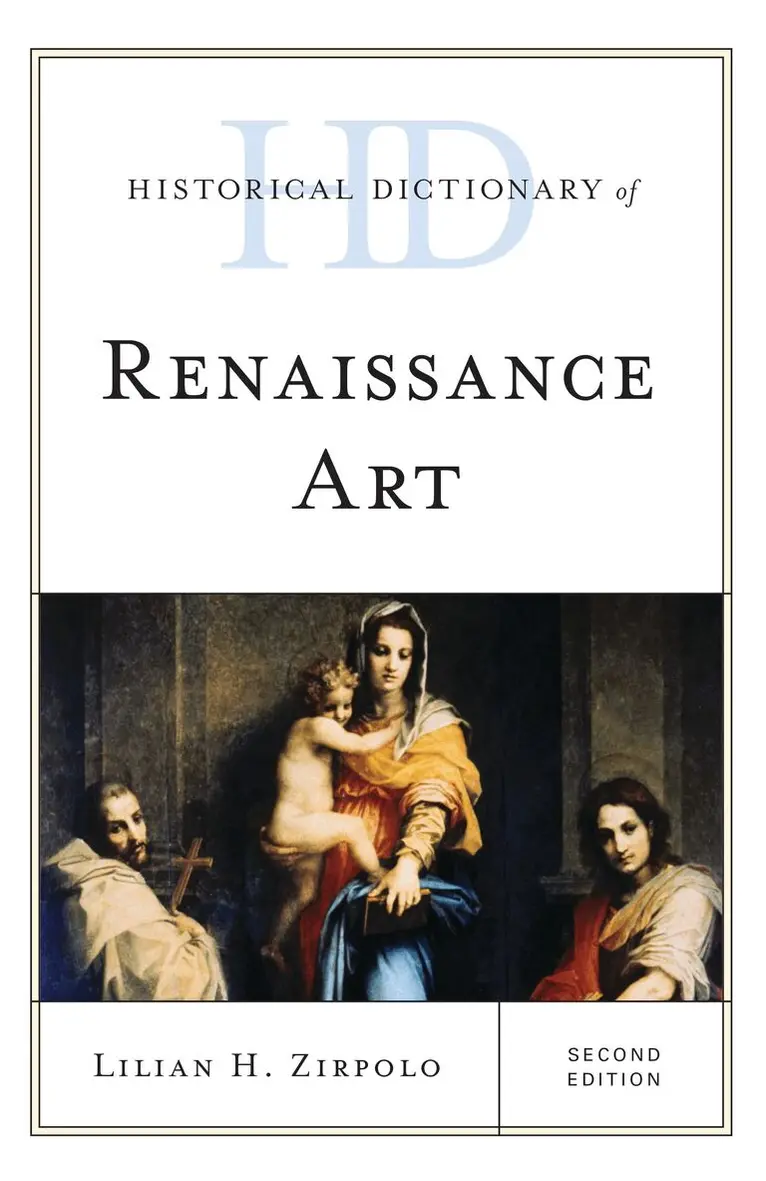
The art of the Renaissance is usually the most familiar to non-specialists, and for good reason. This was the era that produced some of the icons of civilization, including Leonardo da Vinci’s Mona Lisa and Last Supper and Michelangelo’s Sistine Ceiling, Pietà, and David. Marked as one of the greatest moments in history, the outburst of creativity of the era resulted in the most influential artistic revolution ever to have taken place. The period produced a substantial number of notable masters, among them Donatello, Filippo Brunelleschi, Masaccio, Sandro Botticelli, Raphael, Titian, and Tintoretto.This second edition of Historical Dictionary of Renaissance Art contains a chronology, an introduction, and an extensive bibliography. The dictionary section has over 700 cross-referenced entries on artists from Italy, Flanders, the Netherlands, Germany, Spain, and Portugal, historical figures and events that impacted the production of Renaissance art. This book is an excellent access point for students, researchers, and anyone wanting to know more about the Renaissance art.
1 896 kr
Skickas inom 10-15 vardagar
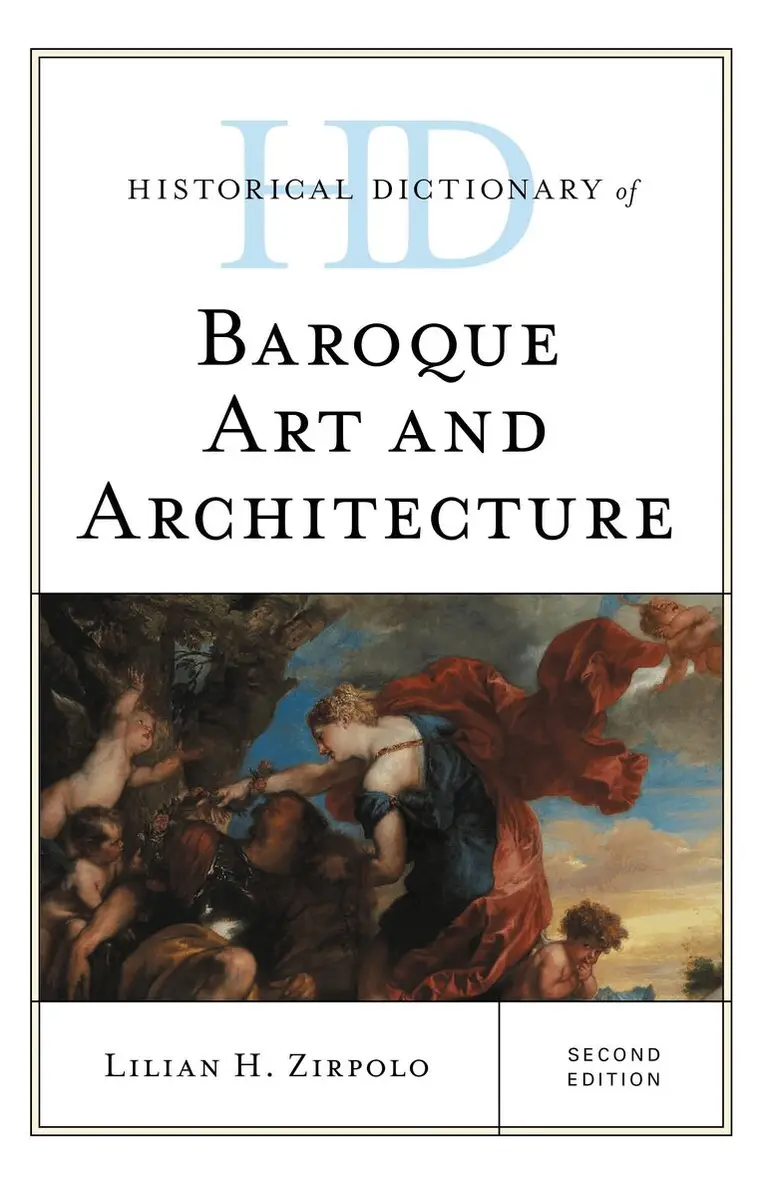
The baroque period deals with the art created roughly between the end of the 16th and the early years of the 18th centuries. The masters of the era include Caravaggio, Gianlorenzo Bernini, Rembrandt, Vermeer, Diego Velazquez, and Nicolas Poussin. The Historical Dictionary of Baroque Art and Architecture, Second Edition covers the most salient works of baroque artists, the most common themes depicted, historical events and key figures responsible for shaping the artistic vocabulary of the era, and definitions of terms pertaining to the topic at hand.This second edition of Historical Dictionary of Baroque Art and Architecture contains a chronology, an introduction, and an extensive bibliography. The dictionary section has over 600 cross-referenced entries on famous artists, sculptors, architects, patrons, and other historical figures, and events. This book is an excellent resource for students, researchers, and anyone wanting to know more about Baroque art.
629 kr
Skickas inom 10-15 vardagar
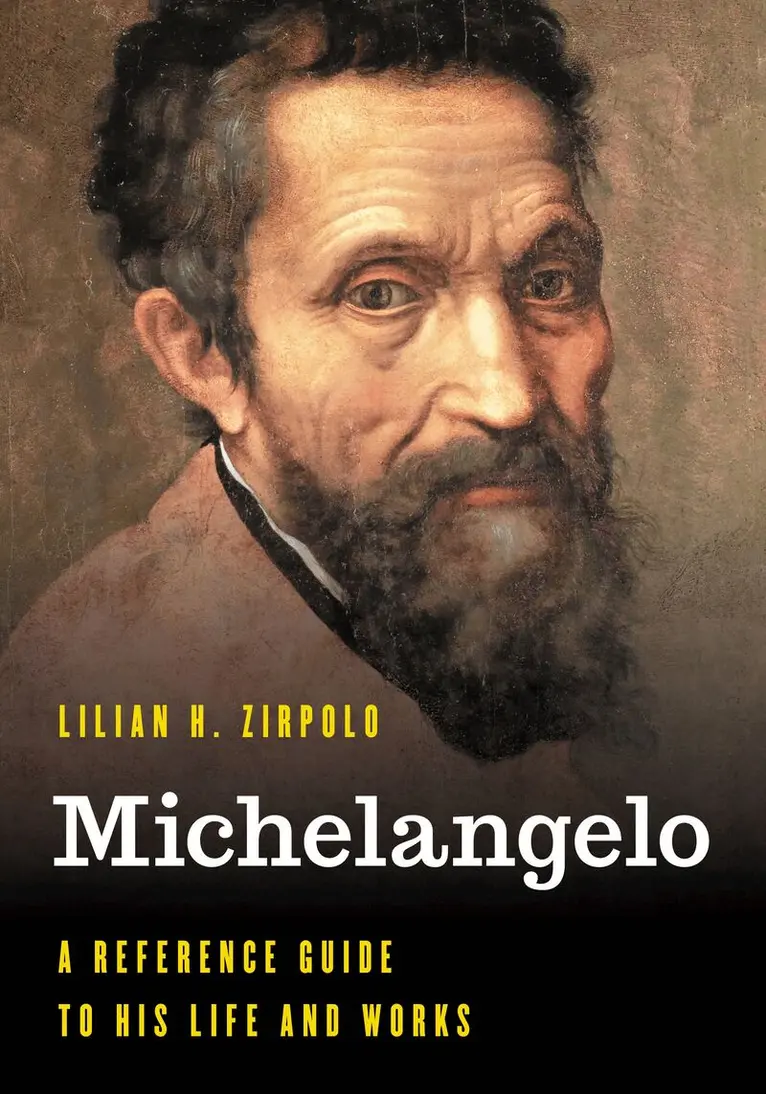
Michelangelo: A Reference Guide to His Life and Works cover the life and works of Michelangelo Buonarroti. Michelangelo is considered to be one of the greatest masters in history and he produced some of the most notable icons of civilization, including the Sistine Ceiling frescoes, the Moses, and the Pietà at St. Peter’s.Includes a detailed chronology of Michelangelo’s life, family, and work.The A to Z section includes the major events, places, and people in Michelangelo’s life and the complete works of his sculptures, paintings, architectural designs, drawings, and poetry.The bibliography includes a list of publications concerning his life and work.The index thoroughly cross-references the chronological and encyclopedic entries.
1 520 kr
Skickas inom 10-15 vardagar
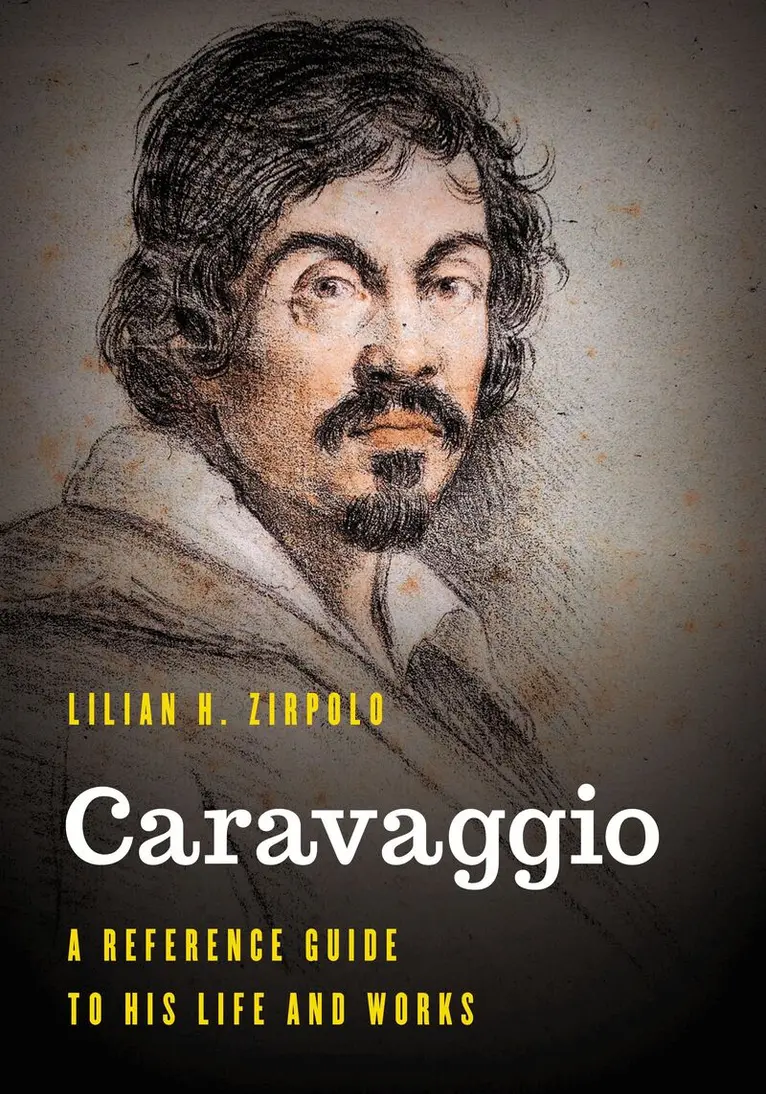
Michelangelo Merisi da Caravaggio’s life was turbulent and short. He was only in his late thirties when he died and yet he managed to achieve tremendous artistic success. A native of Caravaggio, near Milan, he was born in 1571 and moved to Rome after training with Simone Peterzano, a pupil of Titian. In the papal city, his talent was recognized by the influential collector and art connoisseur Cardinal Francesco Maria del Monte, who promoted his art. Within a few years Caravaggio became one of the most sought-after painters in Italy and abroad. His style was so striking and unique that artists from all over adopted it as their own. Caravaggio: A Reference Guide to His Life and Works focuses on his life, his works, and legacy. It features a chronology, an introduction offers a brief account of his life, a cross-referenced dictionary section contains entries on his individual paintings, public commissions his patrons, his followers, and the techniques he used in rendering his works.
2 022 kr
Skickas inom 10-15 vardagar
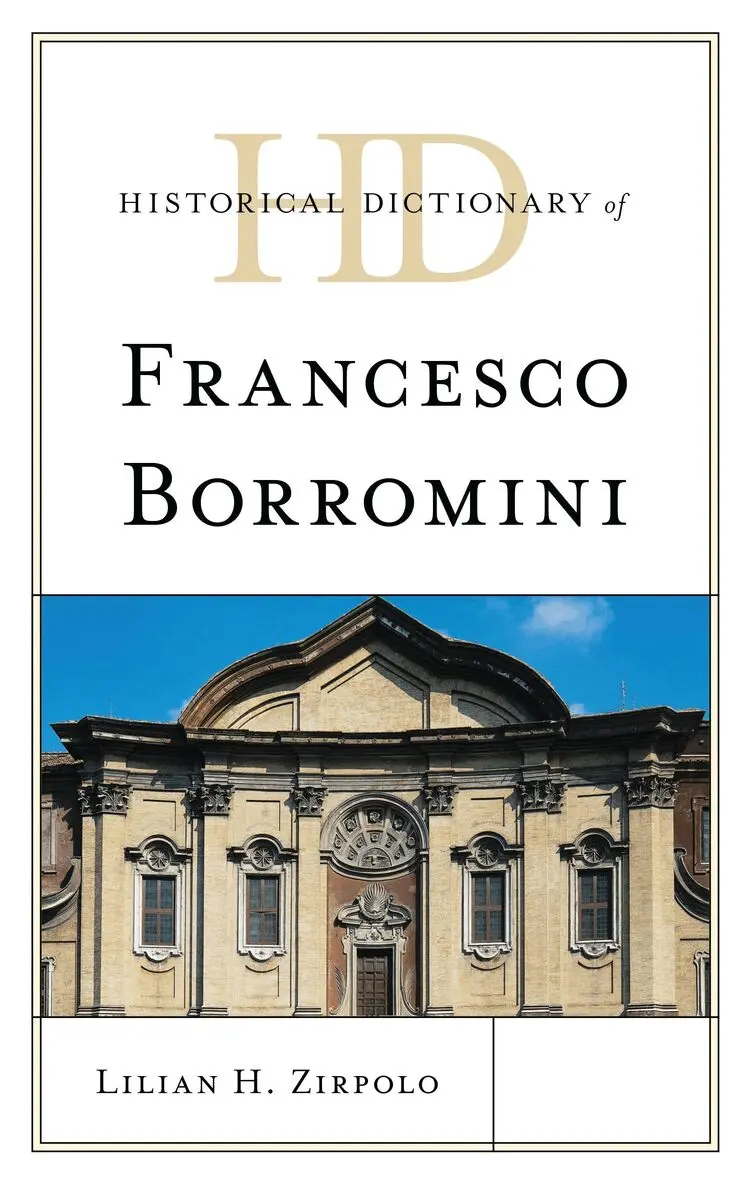
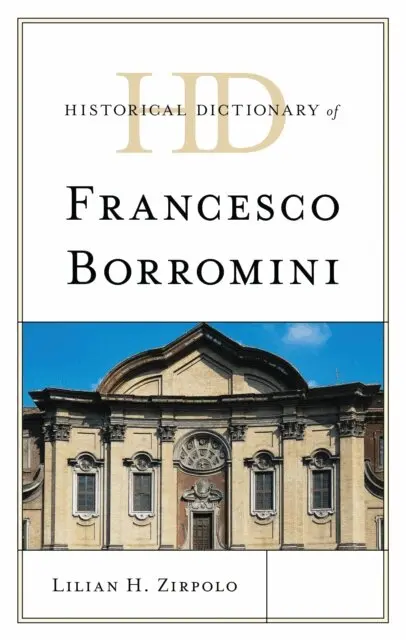
Francesco Borromini was one of the most notable architects of the 17th century, and though he fell into disfavor by the end of the following century, today he is classified as one of the most innovative architects in history. Although Borromini enjoyed a highly successful career, he was already subjected to intense criticism during his lifetime. Criticism continued well after Borromini’s death, when the most often used word to assess his work was bizarre. Critics begrudged the fact that, in their view, Borromini ignored the traditional rules of architecture that had been established by the ancients and revived during the Renaissance era. They did not recognize that Borromini was indeed an avid student of both ancient and Renaissance architecture, and that he often borrowed elements from these two eras but then applied them to his structures in new and inventive ways. It was not until art historians began assessing Borromini’s architecture in a sober and nonjudgmental manner in the late 19th century that he was finally given his proper place in the history of architecture. Historical Dictionary of Francesco Borromini assesses Borromini’s individual commissions following the proper scholarly methodology, as well as his biographical details, artistic development, relationship with his protectors and patrons, and external circumstances that might have determined his artistic output.