Linda Åhäll - Böcker
Visar alla böcker från författaren Linda Åhäll. Handla med fri frakt och snabb leverans.
5 produkter
5 produkter
408 kr
Skickas
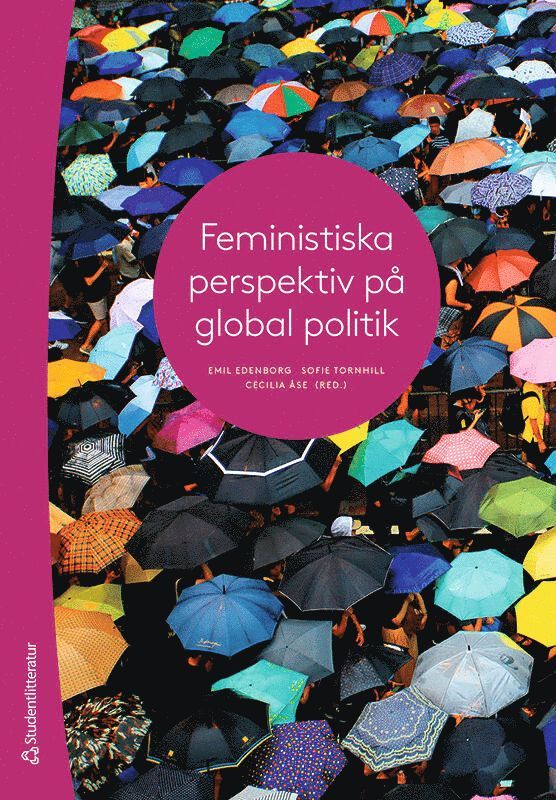
Klimatkris, högerpopulism, systematiskt våld och ojämlika livsvillkor världen över. Feministiska perspektiv på global politik visar att feministisk forskning ger oss verktyg för att analysera dessa brännande politiska problem. När vi ställer frågor om kön och undersöker maktordningar som innefattar sexualitet, klass, ras och nation, ökar kunskapen om hur hierarkier och orättvisor skapas och kan utmanas.Inom ramen för fem teman - klimatpolitik och hållbarhet, institutioner och styrning, ekonomi och arbete, transnationell mobilisering och aktivism samt krig, våld och militarisering - presenteras centrala feministiska teorier genom nedslag i aktuell forskning. Dessutom ingår ett kapitel som ger vägledning i att genomföra egna studier av global politik. Boken riktar sig till studenter i ämnen som genusvetenskap, statsvetenskap och internationella relationer och alla andra som är intresserade av globala frågor.
2 181 kr
Skickas inom 10-15 vardagar
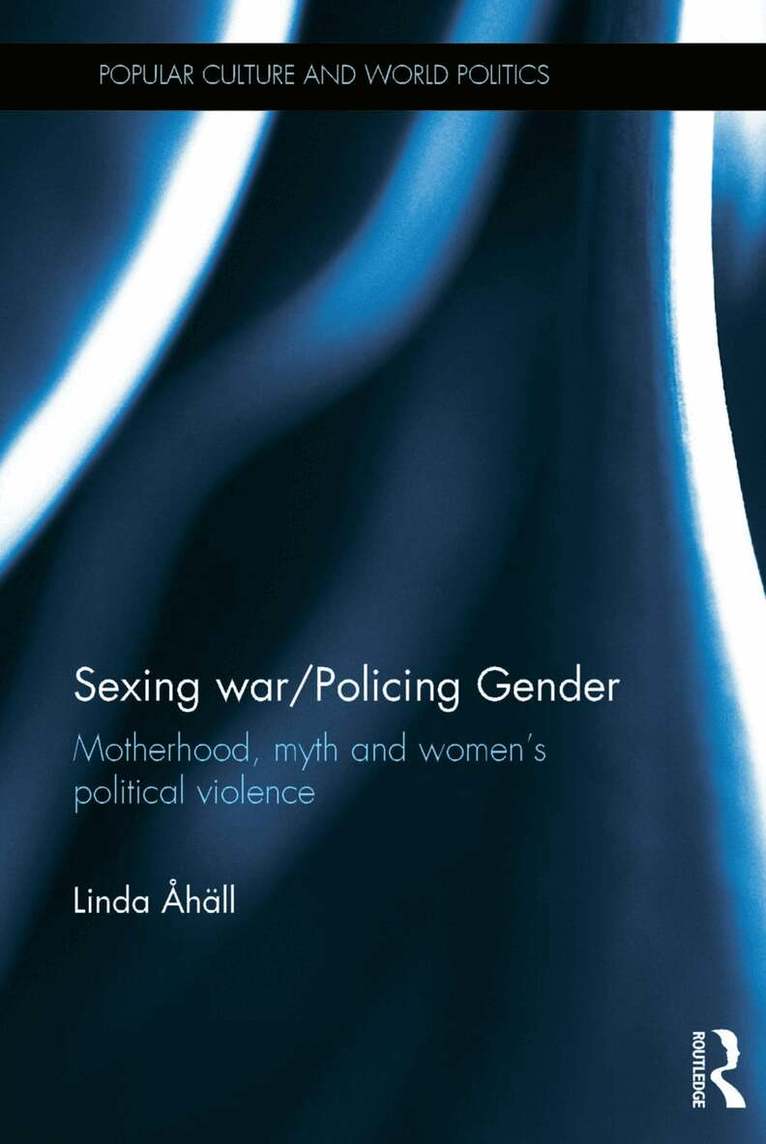
Historically, there has been reluctance, from mainstream IR scholars as well as feminists, to seriously engage with women’s agency in warfare. Instead, scholarship has tended to focus on women’s activism for peace or to ignore women’s agency altogether.This book rectifies this omission by exploring the cultural understanding of actors, agents and structures of war and how can we make sense of attitudes towards women, agency and war today. By using a poststructuralist feminist perspective and by analysing empirical cases from a Western ‘war on terror’ cultural context, Ahall argues that all types of stories are informed by ideas about motherhood and maternal reproduction as the foundation of sexual difference. This does not only mean that women are judged/read/valued based on the shape of their, maternalised, bodies, rather than what they actually do, but, it means that ideas about motherhood, not motherhood itself, function to police contemporary gender norms and contemporary understandings of agency in war. Overall, this book argues that maternalist war stories function to reiterate traditional heteronormative gender roles. This is how a ‘body politics’ of war is not only policing gender norms but actually writing ‘sex’ itself. The body politics of war told through maternalist war stories is a process in which the sexing of war means the policing of gender borders, with motherhood acting as the border agent.This work will be of interest to students and scholars in areas such as gender, political violence and international relations.
707 kr
Skickas inom 10-15 vardagar
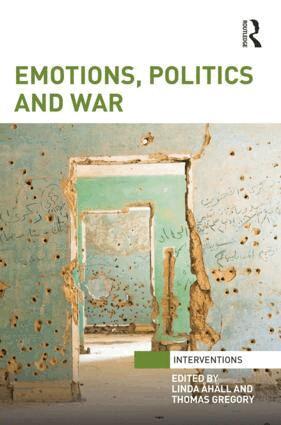
A growing number of scholars have sought to re-centre emotions in our study of international politics, however an overarching book on how emotions matter to the study of politics and war is yet to be published. This volume is aimed at filling that gap, proceeding from the assumption that a nuanced understanding of emotions can only enhance our engagement with contemporary conflict and war. Providing a range of perspectives from a diversity of methodological approaches on the conditions, maintenance and interpretation of emotions, the contributors interrogate the multiple ways in which emotions function and matter to the study of global politics. Accordingly, the innovative contribution of this volume is its specific engagement with the role of emotions and constitution of emotional subjects in a range of different contexts of politics and war, including the gendered nature of war and security; war traumas; post-conflict reconstruction; and counterinsurgency operations. Looking at how we analyse emotions in war, why it matters, and what emotions do in global politics, this volume will be of interest to students and scholars of critical security studies and international relations alike.
727 kr
Skickas inom 10-15 vardagar
Historically, there has been reluctance, from mainstream IR scholars as well as feminists, to seriously engage with women’s agency in warfare. Instead, scholarship has tended to focus on women’s activism for peace or to ignore women’s agency altogether.This book rectifies this omission by exploring the cultural understanding of actors, agents and structures of war and how can we make sense of attitudes towards women, agency and war today. By using a poststructuralist feminist perspective and by analysing empirical cases from a Western ‘war on terror’ cultural context, Ahall argues that all types of stories are informed by ideas about motherhood and maternal reproduction as the foundation of sexual difference. This does not only mean that women are judged/read/valued based on the shape of their, maternalised, bodies, rather than what they actually do, but, it means that ideas about motherhood, not motherhood itself, function to police contemporary gender norms and contemporary understandings of agency in war. Overall, this book argues that maternalist war stories function to reiterate traditional heteronormative gender roles. This is how a ‘body politics’ of war is not only policing gender norms but actually writing ‘sex’ itself. The body politics of war told through maternalist war stories is a process in which the sexing of war means the policing of gender borders, with motherhood acting as the border agent.This work will be of interest to students and scholars in areas such as gender, political violence and international relations.
2 119 kr
Skickas inom 10-15 vardagar
A growing number of scholars have sought to re-centre emotions in our study of international politics, however an overarching book on how emotions matter to the study of politics and war is yet to be published. This volume is aimed at filling that gap, proceeding from the assumption that a nuanced understanding of emotions can only enhance our engagement with contemporary conflict and war. Providing a range of perspectives from a diversity of methodological approaches on the conditions, maintenance and interpretation of emotions, the contributors interrogate the multiple ways in which emotions function and matter to the study of global politics. Accordingly, the innovative contribution of this volume is its specific engagement with the role of emotions and constitution of emotional subjects in a range of different contexts of politics and war, including the gendered nature of war and security; war traumas; post-conflict reconstruction; and counterinsurgency operations. Looking at how we analyse emotions in war, why it matters, and what emotions do in global politics, this volume will be of interest to students and scholars of critical security studies and international relations alike.