Linda Mizejewski - Böcker
Visar alla böcker från författaren Linda Mizejewski. Handla med fri frakt och snabb leverans.
13 produkter
13 produkter
594 kr
Skickas inom 10-15 vardagar
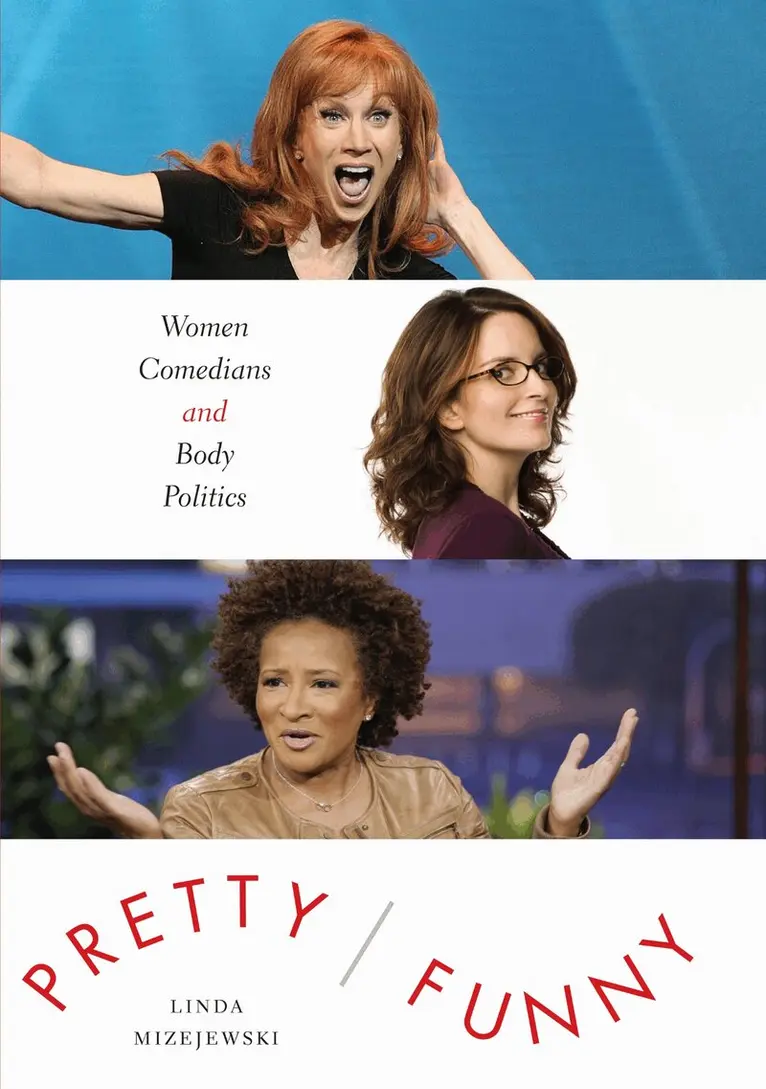
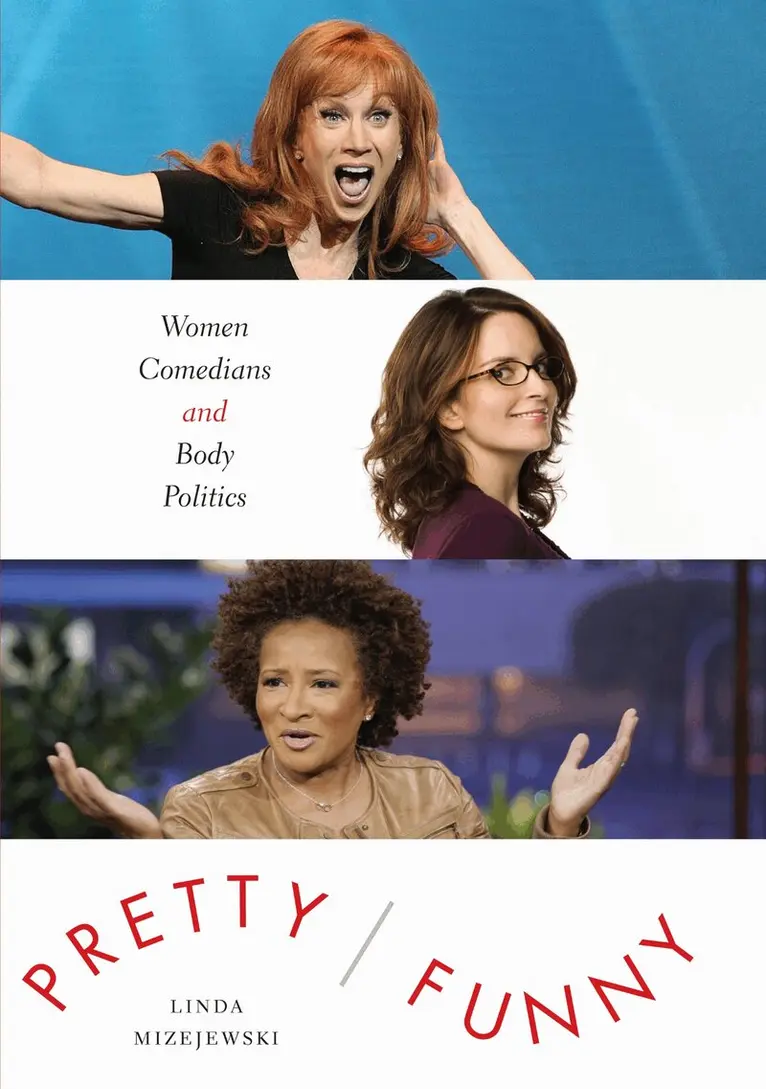
Women in comedy have traditionally been pegged as either “pretty” or “funny.” Attractive actresses with good comic timing such as Katherine Hepburn, Lucille Ball, and Julia Roberts have always gotten plum roles as the heroines of romantic comedies and television sitcoms. But fewer women who write and perform their own comedy have become stars, and, most often, they’ve been successful because they were willing to be funny-looking, from Fanny Brice and Phyllis Diller to Lily Tomlin and Carol Burnett. In this pretty-versus-funny history, women writer-comedians-no matter what they look like-have ended up on the other side of “pretty,” enabling them to make it the topic and butt of the joke, the ideal that is exposed as funny.Pretty/Funny focuses on Kathy Griffin, Tina Fey, Sarah Silverman, Margaret Cho, Wanda Sykes, and Ellen DeGeneres, the groundbreaking women comics who flout the pretty-versus-funny dynamic by targeting glamour, postfeminist girliness, the Hollywood A-list, and feminine whiteness with their wit and biting satire. Linda Mizejewski demonstrates that while these comics don’t all identify as feminists or take politically correct positions, their work on gender, sexuality, and race has a political impact. The first major study of women and humor in twenty years, Pretty/Funny makes a convincing case that women’s comedy has become a prime site for feminism to speak, talk back, and be contested in the twenty-first century.
2 401 kr
Skickas inom 10-15 vardagar
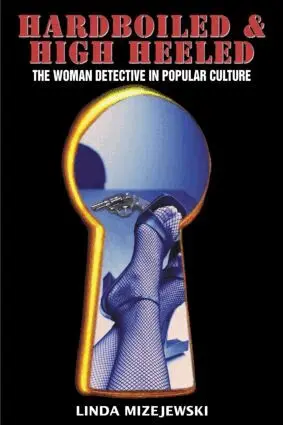
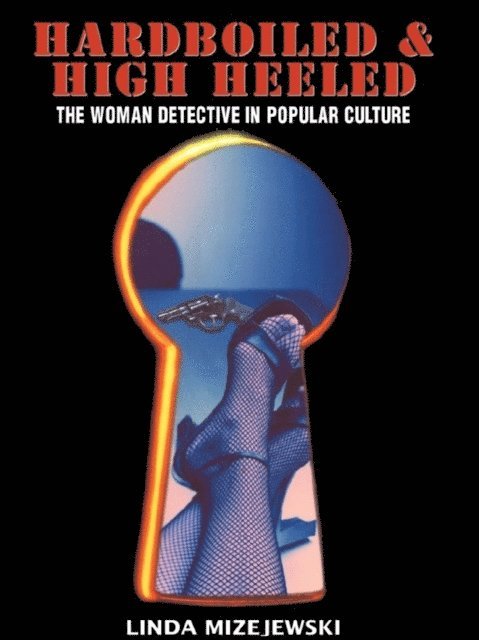
Can a gumshoe wear high heels? In a genre long dominated by men, women are now taking their place-as authors and as characters-alongside hard-boiled legends like Sam Spade and Mike Hammer. Hardboiled and High Heeled examines the meteoric rise of the female detective in contemporary film, television, and literature. Richly illustrated and written with a fan's love of the genre, Hardboiled and High Heeled is an essential introduction to women in detective fiction, from past to present, from pulp fiction to blockbuster films.
631 kr
Skickas inom 10-15 vardagar
Can a gumshoe wear high heels? In a genre long dominated by men, women are now taking their place-as authors and as characters-alongside hard-boiled legends like Sam Spade and Mike Hammer. Hardboiled and High Heeled examines the meteoric rise of the female detective in contemporary film, television, and literature. Richly illustrated and written with a fan's love of the genre, Hardboiled and High Heeled is an essential introduction to women in detective fiction, from past to present, from pulp fiction to blockbuster films.
837 kr
Skickas inom 3-6 vardagar
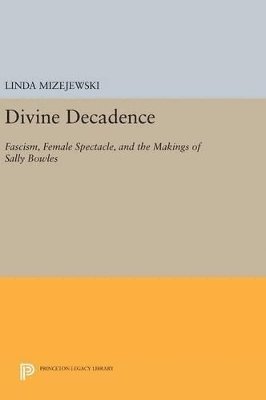
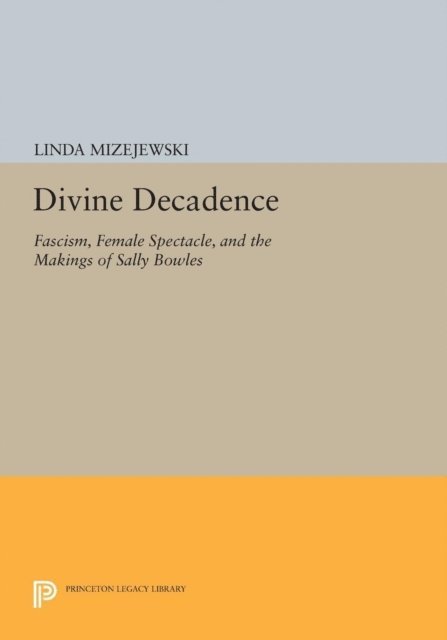
As femme fatale, cabaret siren, and icon of Camp, the Christopher Isherwood character Sally Bowles has become this century's darling of "divine decadence"--a measure of how much we are attracted by the fiction of the "shocking" British/American vamp in Weimar Berlin. Originally a character in a short story by Isherwood, published in 1939, "Sally" has appeared over the years in John Van Druten's stage play I Am a Camera, Henry Cornelius's film of the same name, and Joe Masteroff's stage musical and Bob Fosse's Academy Award-winning musical film, both entitled Cabaret. Linda Mizejewski shows how each successive repetition of the tale of the showgirl and the male writer/scholar has linked the young man's fascination with Sally more closely to the fascination of fascism. In every version, political difference is read as sexual difference, fascism is disavowed as secretly female or homosexual, and the hero eventually renounces both Sally and the corruption of the coming regime. Mizejewski argues, however, that the historical and political aspects of this story are too specific--and too frightening--to explain in purely psychoanalytic terms.Instead, Divine Decadence examines how each text engages particular cultural issues and anxieties of its era, from postwar "Momism" to the Vietnam War. Sally Bowles as the symbol of "wild Weimar" or Nazi eroticism represents "history" from within the grid of many other controversial discourses, including changing theories of fascism, the story of Camp, vicissitudes of male homosexual representations and discourses, and the relationships of these issues to images of female sexuality. To Mizejewski, the Sally Bowles adaptations end up duplicating the fascist politics they strain to condemn, reproducing the homophobia, misogyny, fascination for spectacle, and emphasis of sexual difference that characterized German fascism. Originally published in 1992. The Princeton Legacy Library uses the latest print-on-demand technology to again make available previously out-of-print books from the distinguished backlist of Princeton University Press. These editions preserve the original texts of these important books while presenting them in durable paperback and hardcover editions.The goal of the Princeton Legacy Library is to vastly increase access to the rich scholarly heritage found in the thousands of books published by Princeton University Press since its founding in 1905.
1 928 kr
Skickas inom 3-6 vardagar
As femme fatale, cabaret siren, and icon of Camp, the Christopher Isherwood character Sally Bowles has become this century's darling of "divine decadence"--a measure of how much we are attracted by the fiction of the "shocking" British/American vamp in Weimar Berlin. Originally a character in a short story by Isherwood, published in 1939, "Sally" has appeared over the years in John Van Druten's stage play I Am a Camera, Henry Cornelius's film of the same name, and Joe Masteroff's stage musical and Bob Fosse's Academy Award-winning musical film, both entitled Cabaret. Linda Mizejewski shows how each successive repetition of the tale of the showgirl and the male writer/scholar has linked the young man's fascination with Sally more closely to the fascination of fascism. In every version, political difference is read as sexual difference, fascism is disavowed as secretly female or homosexual, and the hero eventually renounces both Sally and the corruption of the coming regime. Mizejewski argues, however, that the historical and political aspects of this story are too specific--and too frightening--to explain in purely psychoanalytic terms.Instead, Divine Decadence examines how each text engages particular cultural issues and anxieties of its era, from postwar "Momism" to the Vietnam War. Sally Bowles as the symbol of "wild Weimar" or Nazi eroticism represents "history" from within the grid of many other controversial discourses, including changing theories of fascism, the story of Camp, vicissitudes of male homosexual representations and discourses, and the relationships of these issues to images of female sexuality. To Mizejewski, the Sally Bowles adaptations end up duplicating the fascist politics they strain to condemn, reproducing the homophobia, misogyny, fascination for spectacle, and emphasis of sexual difference that characterized German fascism. Originally published in 1992. The Princeton Legacy Library uses the latest print-on-demand technology to again make available previously out-of-print books from the distinguished backlist of Princeton University Press. These editions preserve the original texts of these important books while presenting them in durable paperback and hardcover editions.The goal of the Princeton Legacy Library is to vastly increase access to the rich scholarly heritage found in the thousands of books published by Princeton University Press since its founding in 1905.
1 007 kr
Skickas inom 10-15 vardagar
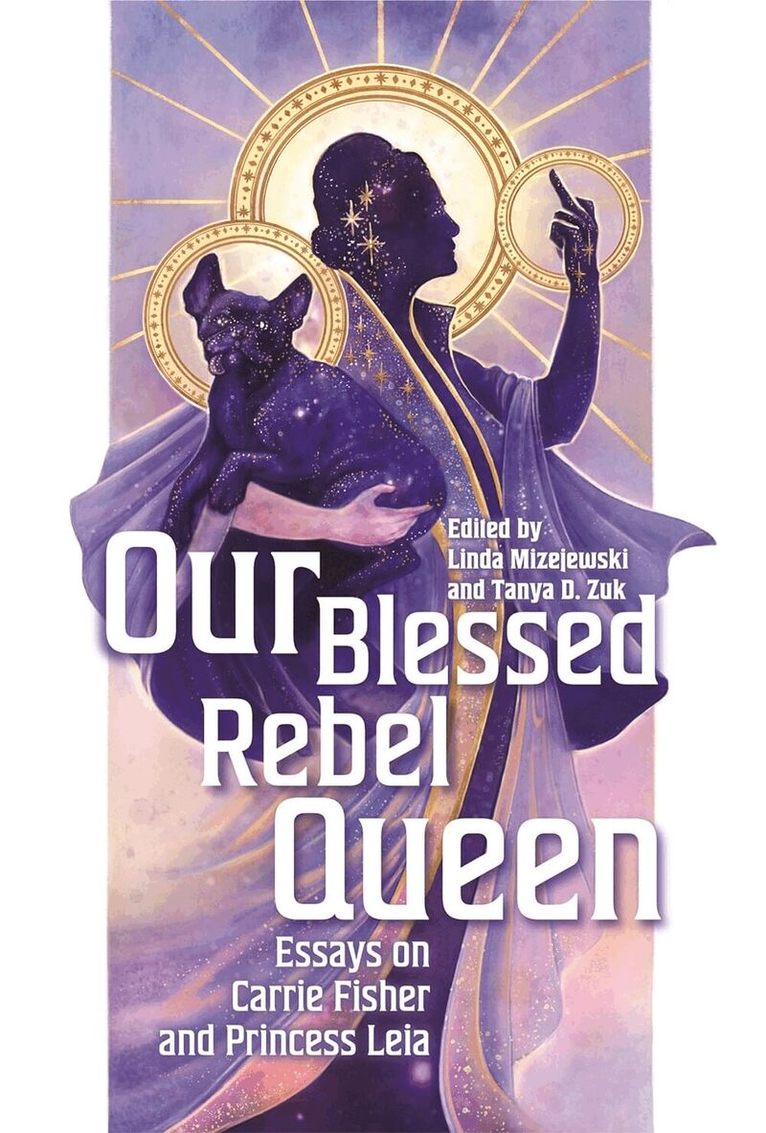
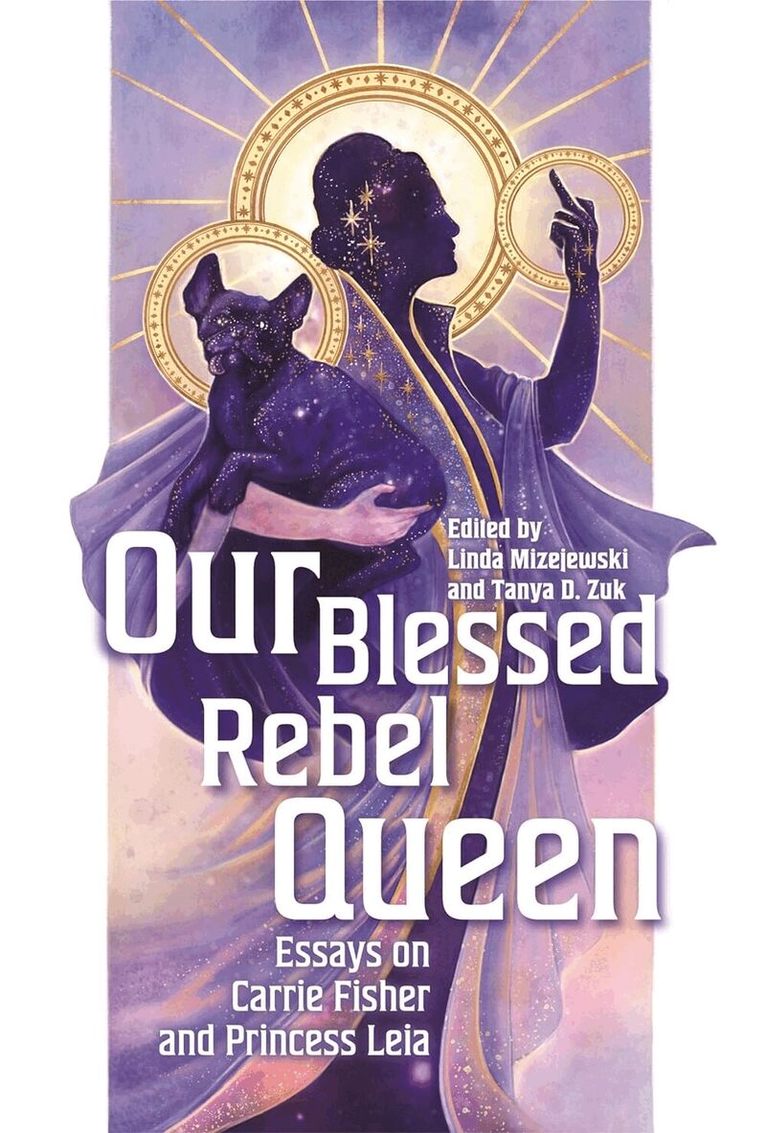
Our Blessed Rebel Queen: Essays on Carrie Fisher and Princess Leia is the first full-length exploration of Carrie Fisher's career as actress, writer, and advocate. Fisher's entangled relationship with the iconic Princess Leia is a focal point of this volume. Editors Linda Mizejewski and Tanya D. Zuk have assembled a collection that engages with the multiple interfaces between Fisher's most famous character and her other life-giving work. The contributors offer insights into Fisher as science-fiction idol, author, feminist inspiration, and Lucasfilm commodity. Jennifer M. Fogel examines the thorny ""ownership"" of Fisher's image as a conflation of fan nostalgia, merchandise commodity, and eventually, feminist icon. Philipp Dominik Keidl looks at how Carrie Fisher and her iconic character are positioned within the male-centric history of Star Wars. Andrew Kemp-Wilcox researches the 2016 controversy over a virtual Princess Leia that emerged after Carrie Fisher's death. Tanya D. Zuk investigates the use of Princess Leia and Carrie images during the Women's March as memetic reconfigurations of historical propaganda to leverage political and fannish ideological positions. Linda Mizejewski explores Carrie Fisher's autobiographical writing, while Ken Feil takes a look at Fisher's playful blurring of truth and fiction in her screenplays. Kristen Anderson Wagner identifies Fisher's use of humor and anger to challenge public expectations for older actresses. Cynthia Hoffner and Sejung Park highlight Fisher's mental health advocacy, and Slade Kinnecott personalizes how Fisher's candidness and guidance about mental health were especially cherished by those who lacked a support system in their own lives. Our Blessed Rebel Queen is distinct in its interdisciplinary approach, drawing from a variety of methodologies and theoretical frameworks. Longtime fans of Carrie Fisher and her body of work will welcome this smart and thoughtful tribute to a multimedia legend.
380 kr
Skickas inom 10-15 vardagar
Our Blessed Rebel Queen: Essays on Carrie Fisher and Princess Leia is the first full-length exploration of Carrie Fisher's career as actress, writer, and advocate. Fisher's entangled relationship with the iconic Princess Leia is a focal point of this volume. Editors Linda Mizejewski and Tanya D. Zuk have assembled a collection that engages with the multiple interfaces between Fisher's most famous character and her other life-giving work. The contributors offer insights into Fisher as science-fiction idol, author, feminist inspiration, and Lucasfilm commodity. Jennifer M. Fogel examines the thorny ""ownership"" of Fisher's image as a conflation of fan nostalgia, merchandise commodity, and eventually, feminist icon. Philipp Dominik Keidl looks at how Carrie Fisher and her iconic character are positioned within the male-centric history of Star Wars. Andrew Kemp-Wilcox researches the 2016 controversy over a virtual Princess Leia that emerged after Carrie Fisher's death. Tanya D. Zuk investigates the use of Princess Leia and Carrie images during the Women's March as memetic reconfigurations of historical propaganda to leverage political and fannish ideological positions. Linda Mizejewski explores Carrie Fisher's autobiographical writing, while Ken Feil takes a look at Fisher's playful blurring of truth and fiction in her screenplays. Kristen Anderson Wagner identifies Fisher's use of humor and anger to challenge public expectations for older actresses. Cynthia Hoffner and Sejung Park highlight Fisher's mental health advocacy, and Slade Kinnecott personalizes how Fisher's candidness and guidance about mental health were especially cherished by those who lacked a support system in their own lives. Our Blessed Rebel Queen is distinct in its interdisciplinary approach, drawing from a variety of methodologies and theoretical frameworks. Longtime fans of Carrie Fisher and her body of work will welcome this smart and thoughtful tribute to a multimedia legend.
276 kr
Skickas inom 10-15 vardagar
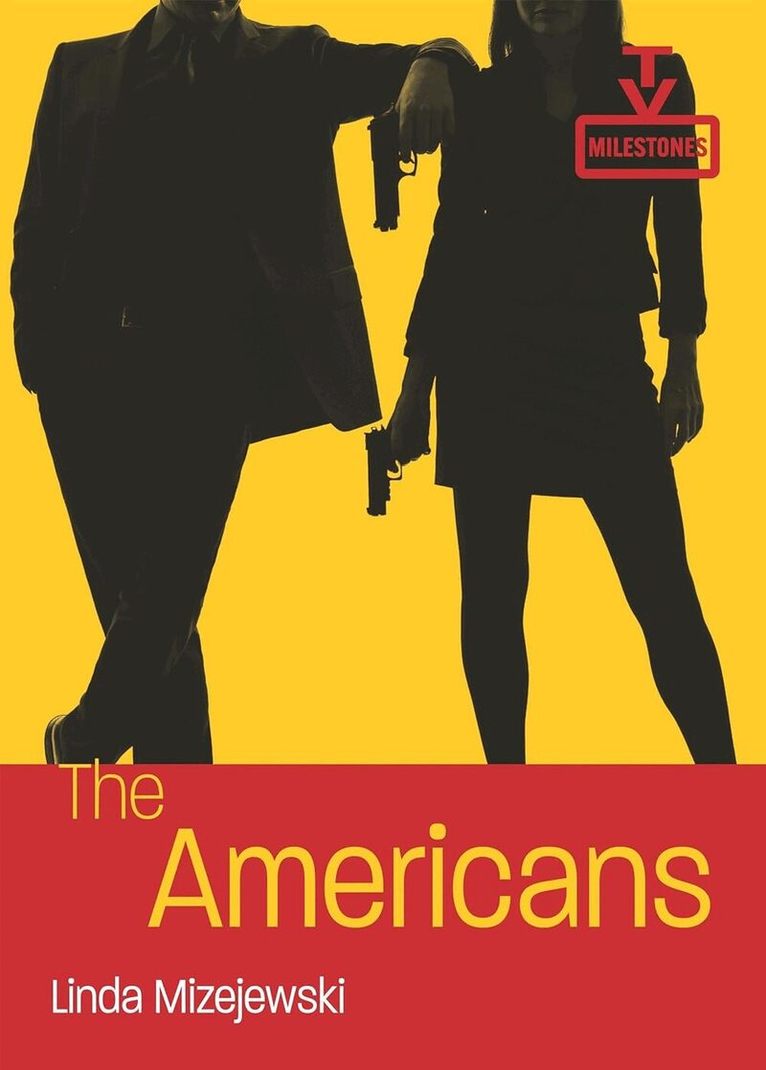
Explores The Americans as a groundbreaking series that brilliantly merged the spy genre and domestic melodrama.Based on the actual KGB strategy of planting "illegals" into American life during the Cold War, The Americans (FX 2013–2018) focuses on Philip and Elizabeth Jennings (Matthew Rhys and Kerri Russell), Soviet spies posing as middlebrow travel agents in the Virginia suburbs. Groundbreaking and unsettling, The Americans spins its stories of espionage, violence, and politics around narratives of marriage, romance, bromance, and family. Exploring the series' bold merger of the spy genre and domestic melodrama, author Linda Mizejewski focuses on the characters and relationships that made this series memorable: the extraordinary women who defy the femme fatale stereotype of the spy genre, the conflicted men, and perhaps most shockingly, the children who are both victims and provocateurs. Do viewers of this Cold War thriller root for "the good guys"—the American agents in pursuit of the Jenningses—or for the Jenningses themselves, the attractive couple whose personal stories compel us even as they plot the takedown of the United States? Mizejewski argues for the importance of The Americans' portrayal of 1980s suburban life as a microcosm of the moral complexities of citizenship and national identity. Drawing on television studies and feminist media theory, this book examines the series' seamless loop of espionage violence and family melodrama, as well as its savvy uses of 1980s pop culture and music. Far from invoking nostalgia, the replication of the 1980s "look" invokes uncertainties about how, exactly, we should see Reagan's America and the Cold War. Yet the appeal of this series rests on solid footing in the Americanism it both critiques and espouses. Mizejewski examines The Americans' struggles with this ambiguity and with the contradictions of identity, gender, marriage, and the meanings of home.Everyone from scholars and students of television and media studies, genre studies, gender and sexuality studies, and popular culture, to superfans who can't believe the show is over will revel in this highly approachable and fun read.
557 kr
Skickas inom 3-6 vardagar
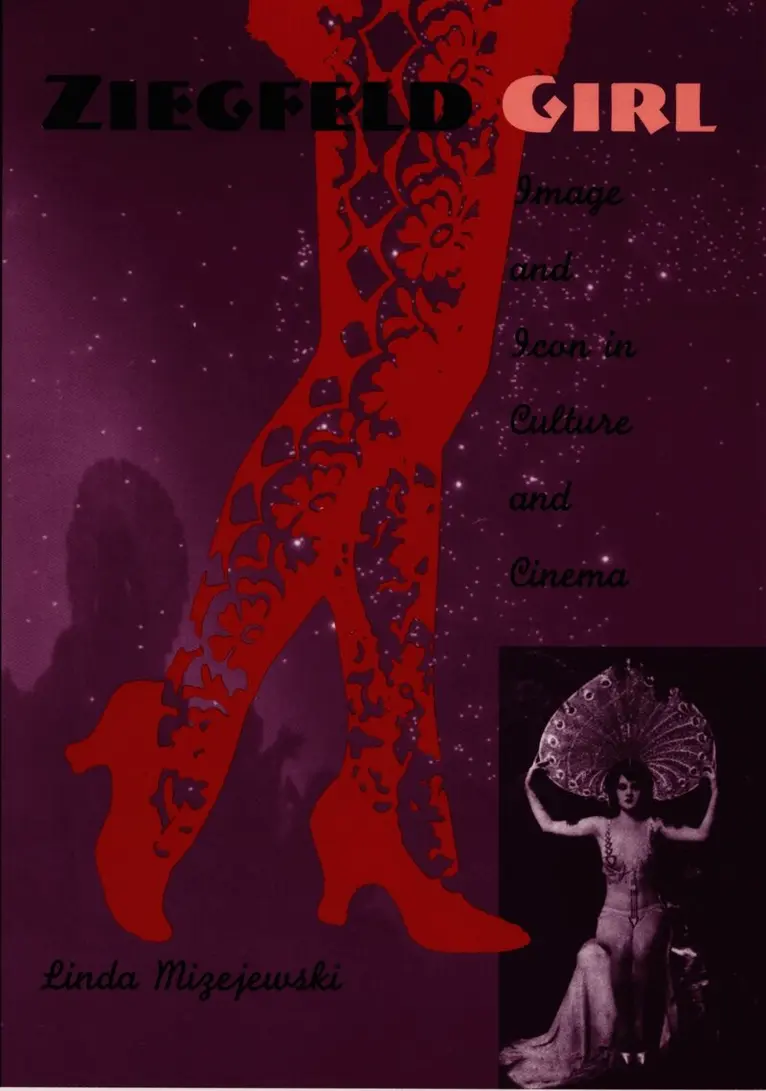
In the first decades of the twentieth century, Broadway teemed with showgirls, but only the Ziegfeld Girl has survived in American popular culture-as a figure of legend, nostalgia, and camp. Featured in Florenz Ziegfeld Jr.’s renowned revues, which ran on Broadway from 1907 to 1931, the Ziegfeld Girl has appeared in her trademark feather headdresses, parading and posing, occasionally singing and dancing, in numerous musicals and musical films paying direct or indirect homage to the intrepid producer and his glorious Girl. Linda Mizejewski analyzes the Ziegfeld Girl as a cultural icon and argues that during a time when American national identity was in flux, Ziegfeld Girls were both products and representations of a white, upscale, heterosexual national ideal.Mizejewski traces the Ziegfeld Girl’s connections to turn-of-the-century celebrity culture, black Broadway, the fashion industry, and the changing sexual and gender identities evident in mainstream entertainment during the Ziegfeld years. In addition, she emphasizes how crises of immigration and integration made the identity and whiteness of the American Girl an urgent issue on Broadway’s revue stages during that era. Although her focus is on the showgirl as a “type,” the analysis is intermingled with discussions of figures like Anna Held, Fanny Brice, and Bessie McCoy, the Yama Yama girl, as well as Ziegfeld himself. Finally, Mizejewski discusses the classic American films that have most vividly kept this showgirl alive in both popular and camp culture, including The Great Ziegfeld, Ziegfeld Girl, and the Busby Berkeley musicals that cloned Ziegfeld’s showgirls for decades.Ziegfeld Girl will appeal to scholars and students in American studies, popular culture, theater and performance studies, film history, gender studies, gay and lesbian studies, and social history.
278 kr
Skickas inom 11-20 vardagar
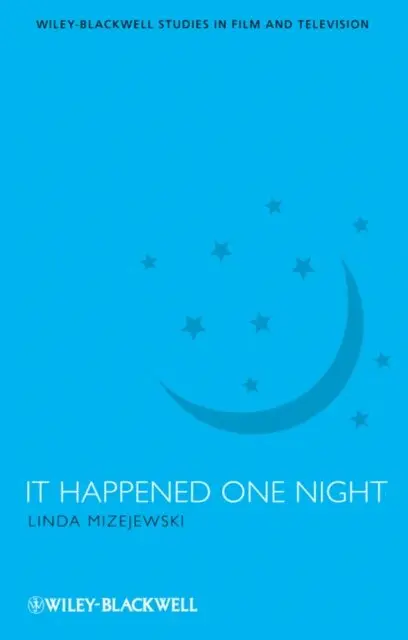
A movie that swept the 1934 Academy Awards and captivated Depression-era America, It Happened One Night challenged the ways Americans imagined marriage, romance, gender, and class difference. This book examines key scenes and formal features of It Happened One Night, and explores its lasting importance in film history and in cultural studies. Consideration of the film’s role in establishing the genre of the romantic comedy filmInvestigations into the film’s persistent sexuality and its creativity in avoiding Depression-era censorshipEstablishment of the cultural, economic, and political context of a film that directly addresses the Depression and class issuesExploration of how the film invokes and develops the stardom of Clark Gable and Claudette Colbert and how this stardom intersects with the film’s topics of gender, genre, sexuality, and class
287 kr
Skickas inom 10-15 vardagar
Women in comedy have traditionally been pegged as either “pretty” or “funny.” Attractive actresses with good comic timing such as Katherine Hepburn, Lucille Ball, and Julia Roberts have always gotten plum roles as the heroines of romantic comedies and television sitcoms. But fewer women who write and perform their own comedy have become stars, and, most often, they’ve been successful because they were willing to be funny-looking, from Fanny Brice and Phyllis Diller to Lily Tomlin and Carol Burnett. In this pretty-versus-funny history, women writer-comedians-no matter what they look like-have ended up on the other side of “pretty,” enabling them to make it the topic and butt of the joke, the ideal that is exposed as funny.Pretty/Funny focuses on Kathy Griffin, Tina Fey, Sarah Silverman, Margaret Cho, Wanda Sykes, and Ellen DeGeneres, the groundbreaking women comics who flout the pretty-versus-funny dynamic by targeting glamour, postfeminist girliness, the Hollywood A-list, and feminine whiteness with their wit and biting satire. Linda Mizejewski demonstrates that while these comics don’t all identify as feminists or take politically correct positions, their work on gender, sexuality, and race has a political impact. The first major study of women and humor in twenty years, Pretty/Funny makes a convincing case that women’s comedy has become a prime site for feminism to speak, talk back, and be contested in the twenty-first century.
1 021 kr
Skickas inom 10-15 vardagar
Ideal for classroom use, this anthology of original essays by the leading authorities on women’s comedy surveys the disorderly, subversive, and unruly performances of women comics from silent film to contemporary multimediaWinner, Susan Koppleman Award for Best Anthology, Multi-Authored, or Edited Book in Feminist Studies, Popular and American Culture Associations (PACA), 2017Amy Schumer, Samantha Bee, Mindy Kaling, Melissa McCarthy, Tig Notaro, Leslie Jones, and a host of hilarious peers are killing it nightly on American stages and screens large and small, smashing the tired stereotype that women aren’t funny. But today’s funny women aren’t a new phenomenon-they have generations of hysterically funny foremothers. Fay Tincher’s daredevil stunts, Mae West’s linebacker walk, Lucille Ball’s manic slapstick, Carol Burnett’s athletic pratfalls, Ellen DeGeneres’s tomboy pranks, Whoopi Goldberg’s sly twinkle, and Tina Fey’s acerbic wit all paved the way for contemporary unruly women, whose comedy upends the norms and ideals of women’s bodies and behaviors.Hysterical! Women in American Comedy delivers a lively survey of women comics from the stars of the silent cinema up through the multimedia presences of Tina Fey and Lena Dunham. This anthology of original essays includes contributions by the field’s leading authorities, introducing a new framework for women’s comedy that analyzes the implications of hysterical laughter and hysterically funny performances. Expanding on previous studies of comedians such as Mae West, Moms Mabley, and Margaret Cho, and offering the first scholarly work on comedy pioneers Mabel Normand, Fay Tincher, and Carol Burnett, the contributors explore such topics as racial/ethnic/sexual identity, celebrity, stardom, censorship, auteurism, cuteness, and postfeminism across multiple media. Situated within the main currents of gender and queer studies, as well as American studies and feminist media scholarship, Hysterical! masterfully demonstrates that hysteria-women acting out and acting up-is a provocative, empowering model for women’s comedy.
362 kr
Skickas inom 7-10 vardagar
Ideal for classroom use, this anthology of original essays by the leading authorities on women’s comedy surveys the disorderly, subversive, and unruly performances of women comics from silent film to contemporary multimediaWinner, Susan Koppleman Award for Best Anthology, Multi-Authored, or Edited Book in Feminist Studies, Popular and American Culture Associations (PACA), 2017Amy Schumer, Samantha Bee, Mindy Kaling, Melissa McCarthy, Tig Notaro, Leslie Jones, and a host of hilarious peers are killing it nightly on American stages and screens large and small, smashing the tired stereotype that women aren’t funny. But today’s funny women aren’t a new phenomenon-they have generations of hysterically funny foremothers. Fay Tincher’s daredevil stunts, Mae West’s linebacker walk, Lucille Ball’s manic slapstick, Carol Burnett’s athletic pratfalls, Ellen DeGeneres’s tomboy pranks, Whoopi Goldberg’s sly twinkle, and Tina Fey’s acerbic wit all paved the way for contemporary unruly women, whose comedy upends the norms and ideals of women’s bodies and behaviors.Hysterical! Women in American Comedy delivers a lively survey of women comics from the stars of the silent cinema up through the multimedia presences of Tina Fey and Lena Dunham. This anthology of original essays includes contributions by the field’s leading authorities, introducing a new framework for women’s comedy that analyzes the implications of hysterical laughter and hysterically funny performances. Expanding on previous studies of comedians such as Mae West, Moms Mabley, and Margaret Cho, and offering the first scholarly work on comedy pioneers Mabel Normand, Fay Tincher, and Carol Burnett, the contributors explore such topics as racial/ethnic/sexual identity, celebrity, stardom, censorship, auteurism, cuteness, and postfeminism across multiple media. Situated within the main currents of gender and queer studies, as well as American studies and feminist media scholarship, Hysterical! masterfully demonstrates that hysteria-women acting out and acting up-is a provocative, empowering model for women’s comedy.