Linnéa Österman – författare
Visar alla böcker från författaren Linnéa Österman. Handla med fri frakt och snabb leverans.
3 produkter
3 produkter
646 kr
Skickas inom 10-15 vardagar
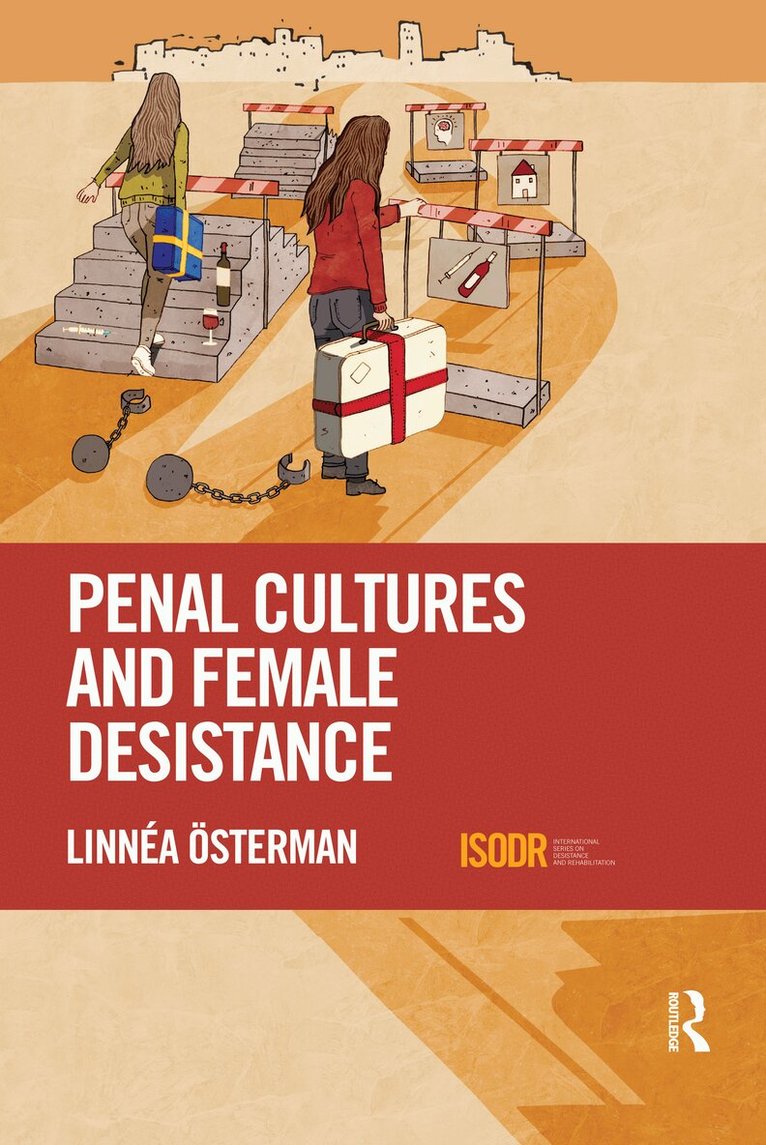
This book makes a unique contribution to the internationalisation of criminological knowledge about gender and desistance through a qualitative cross-national exploration of the female route out of crime in Sweden and England. By situating the female desistance journey in diverse penal cultures, the study addresses two major gaps in the literature: the neglect of critical explorations of gender in desistance-related processes, and the lack of internationally comparative perspectives on the lived experience of desistance.Grounded in a feminist methodology – underpinned by a critical humanist perspective – this book draws on 24 life-story narrative interviews with female desisters across Sweden and England. The discussion covers departure points, qualitative experiences of criminal justice, as well as barriers and ‘ladders’ in the female route out. While some cross-national symmetry is detected, particularly in the areas of victimisation and issues around short custodial sentences, overall the findings indicate that diverse macro-processes and models, especially in terms of 'inclusive' versus 'exclusive' penal cultures, effectually 'trickle down' to the women in this study and produce different micro-experiences of desistance.Providing new qualitative evidence of the 'Nordic Exceptionalism thesis’, this book finds that, comparatively, the Swedish model offers a macro-context, supported and reflected in allied meso-practices, which is more conducive to the formation of female desistance narratives. This unique comparative study marks a step-change in desistance literature and will be essential reading for those engaged in the disciplines of penology, rehabilitation, gender and crime, and offender management.
1 944 kr
Skickas inom 10-15 vardagar
This book makes a unique contribution to the internationalisation of criminological knowledge about gender and desistance through a qualitative cross-national exploration of the female route out of crime in Sweden and England. By situating the female desistance journey in diverse penal cultures, the study addresses two major gaps in the literature: the neglect of critical explorations of gender in desistance-related processes, and the lack of internationally comparative perspectives on the lived experience of desistance.Grounded in a feminist methodology – underpinned by a critical humanist perspective – this book draws on 24 life-story narrative interviews with female desisters across Sweden and England. The discussion covers departure points, qualitative experiences of criminal justice, as well as barriers and ‘ladders’ in the female route out. While some cross-national symmetry is detected, particularly in the areas of victimisation and issues around short custodial sentences, overall the findings indicate that diverse macro-processes and models, especially in terms of 'inclusive' versus 'exclusive' penal cultures, effectually 'trickle down' to the women in this study and produce different micro-experiences of desistance.Providing new qualitative evidence of the 'Nordic Exceptionalism thesis’, this book finds that, comparatively, the Swedish model offers a macro-context, supported and reflected in allied meso-practices, which is more conducive to the formation of female desistance narratives. This unique comparative study marks a step-change in desistance literature and will be essential reading for those engaged in the disciplines of penology, rehabilitation, gender and crime, and offender management.
392 kr
Skickas
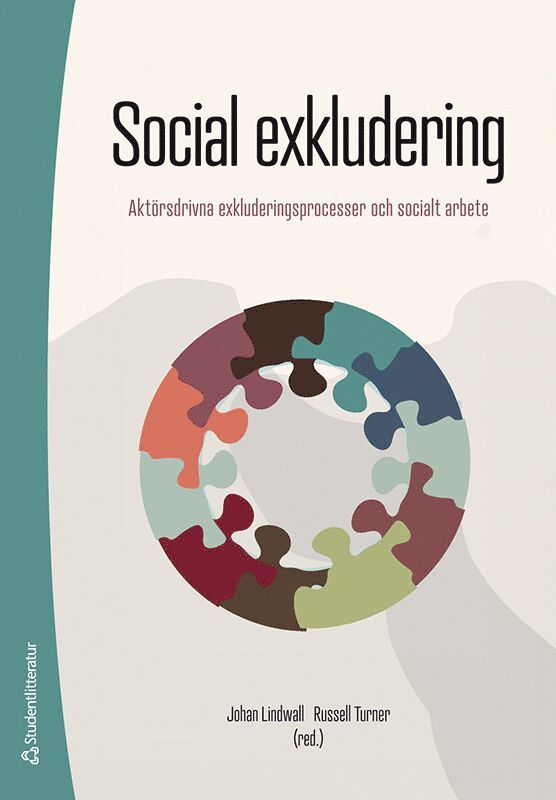
I denna antologi beskrivs social exkludering, inte som ett tillstånd eller en situation som någon befinner sig i, utan som en aktörsdriven process. Här visar forskare i socialt arbete hur social exkludering kan användas som analytiskt begrepp och kritiskt perspektiv för att synliggöra och förstå exkluderingsprocesser inom en rad olika områden.I fokus för bokens analyser står de aktörer, tekniker och praktiker – men också de ideologier, problembeskrivningar och kategoriseringar – som understödjer, ger upphov till, legitimerar och reproducerar social exkludering i form av ojämlika livsvillkor, nedtystade röster eller otrygga, underordnade positioner. Med ett samtidsfokus diskuterar bokens författare innebörder och konsekvenser för det sociala arbetets praktik och policyutveckling.Social exkludering kan användas såväl på socionomprogrammet som på utbildningar i socialt arbete på avancerad nivå samt kurser i sociologi, kriminologi, socialpsykologi och socialpedagogik. Boken vänder sig också till yrkesverksamma socionomer som vill vidareutveckla det sociala arbetets praktik, liksom till andra som är intresserade av frågor som rör sociala exkluderingsprocesser.