Lionel C. Bascom – författare
Visar alla böcker från författaren Lionel C. Bascom. Handla med fri frakt och snabb leverans.
5 produkter
5 produkter
Inbunden, Engelska, 2016
698 kr
Skickas inom 10-15 vardagar
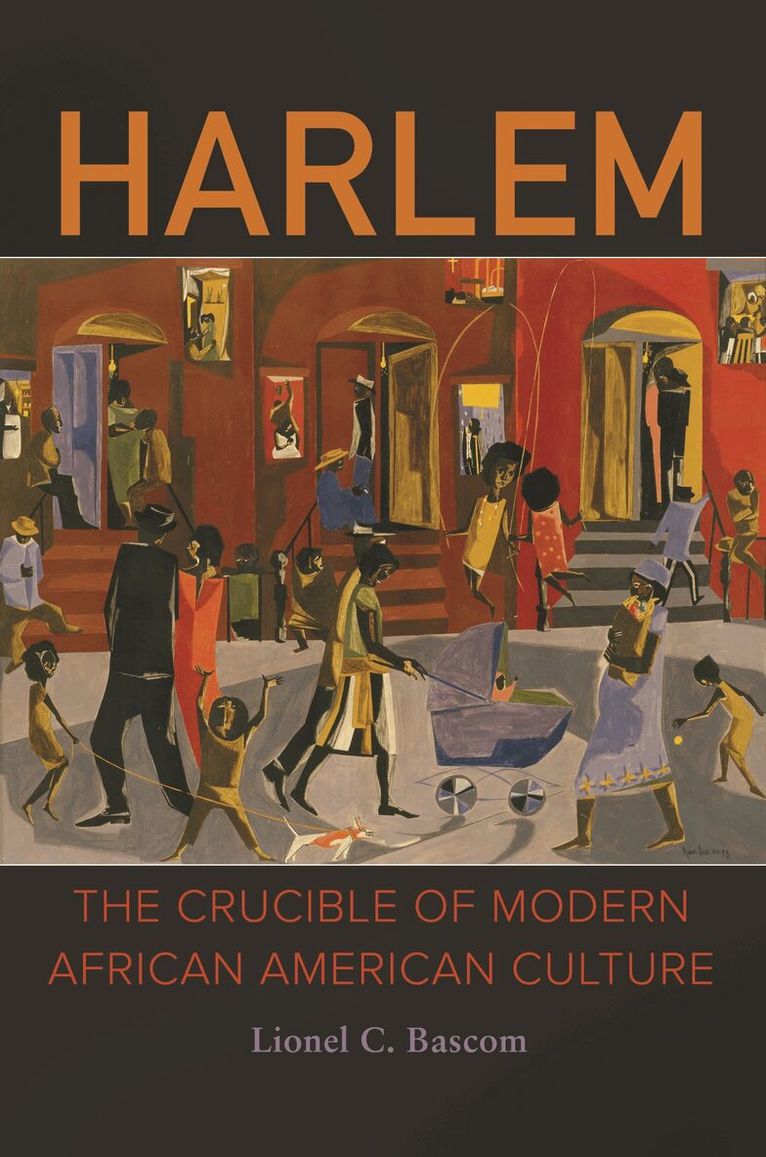
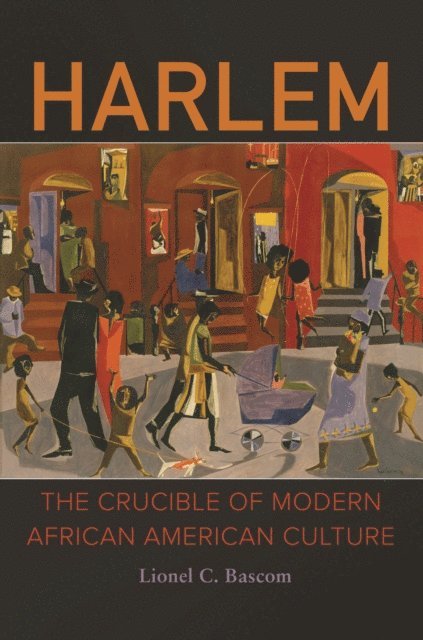
Focusing on the contributions of civic reformers and political architects who arrived in New York in the early decades of the 20th century, this book explores the wide array of sweeping social reforms and radical racial demands first conceived of and planned in Harlem that transformed African Americans into self-aware U.S. citizens for the first time in history.When the first slave escaped bondage in the American South and migrated to the Northeast region of the United States, this act of an individual started what became known as the "great migration" of African Americans fleeing the feudal South for New York and other Northern cities. This migration fueled an intellectual, social, and personal pursuit—the long-standing quest for identity by a lost tribe of African Americans—by every black man, woman, and child in America. In Harlem, that quest was anchored by a wide array of civic, business, and prominent leaders who succeeded in establishing what we now know as modern African American culture.In Harlem: The Crucible of Modern African American Culture, author Lionel C. Bascom examines the accuracy of the established image of Harlem during the Renaissance period—roughly between 1917 and the 1960s—as "heaven" for migrating African Americans. He establishes how mingled among the former tenant farmers, cotton pickers, maids, and farmhands were college-educated intellectuals, progressive ministers, writers, and lecturers who formed various organizations aimed at banishing images of Negroes as bumbling, ignorant, second-class citizens. The book also challenges unfounded claims that political and social movements during the Harlem Renaissance period failed and dramatizes numerous attempts by government authorities to silence black progressives who spearheaded movements that eventually ended segregation in the armed forces, drafted plans that led to the first sweeping civil rights legislation, and resulted in a U.S. Supreme Court ruling that finally made racial segregation in schools a federal crime.
E-bok
Engelska, 2016752 kr
Läs direkt efter köp
Focusing on the contributions of civic reformers and political architects who arrived in New York in the early decades of the 20th century, this book explores the wide array of sweeping social reforms and radical racial demands first conceived of and planned in Harlem that transformed African Americans into self-aware U.S. citizens for the first time in history.When the first slave escaped bondage in the American South and migrated to the Northeast region of the United States, this act of an individual started what became known as the "great migration" of African Americans fleeing the feudal South for New York and other Northern cities. This migration fueled an intellectual, social, and personal pursuit—the long-standing quest for identity by a lost tribe of African Americans—by every black man, woman, and child in America. In Harlem, that quest was anchored by a wide array of civic, business, and prominent leaders who succeeded in establishing what we now know as modern African American culture.In Harlem: The Crucible of Modern African American Culture, author Lionel C. Bascom examines the accuracy of the established image of Harlem during the Renaissance period—roughly between 1917 and the 1960s—as "heaven" for migrating African Americans. He establishes how mingled among the former tenant farmers, cotton pickers, maids, and farmhands were college-educated intellectuals, progressive ministers, writers, and lecturers who formed various organizations aimed at banishing images of Negroes as bumbling, ignorant, second-class citizens. The book also challenges unfounded claims that political and social movements during the Harlem Renaissance period failed and dramatizes numerous attempts by government authorities to silence black progressives who spearheaded movements that eventually ended segregation in the armed forces, drafted plans that led to the first sweeping civil rights legislation, and resulted in a U.S. Supreme Court ruling that finally made racial segregation in schools a federal crime.
E-bok
PDF, Engelska, 20144 226 kr
Läs direkt efter köp
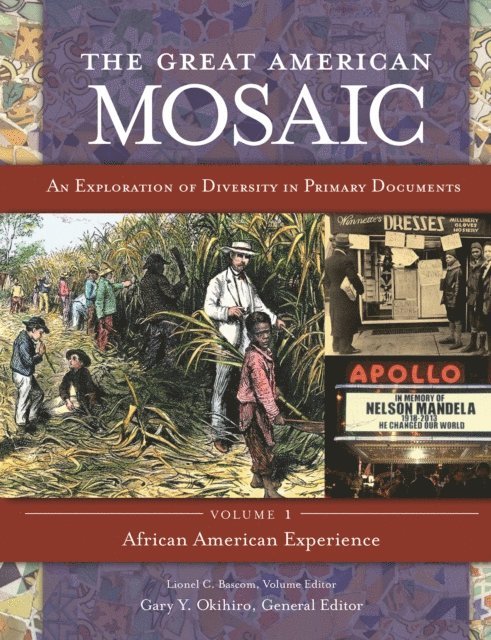
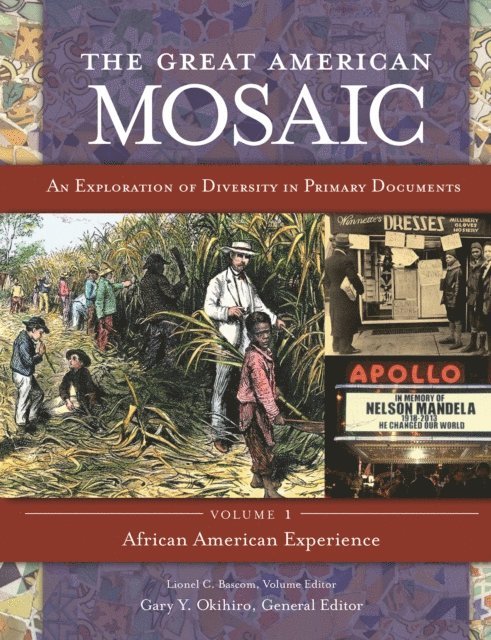
Firsthand sources are brought together to illuminate the diversity of American history in a unique way—by sharing the perspectives of people of color who participated in landmark events.This invaluable, four-volume compilation is a comprehensive source of documents that give voice to those who comprise the American mosaic, illustrating the experiences of racial and ethnic minorities in the United States. Each volume focuses on a major racial/ethnic group: African Americans, American Indians, Asian Americans and Pacific Islanders, and Latinos. Documents chosen by the editors for their utility and relevance to popular areas of study are organized into chronological periods from historical to contemporary. The collection includes eyewitness accounts, legislation, speeches, and interviews. Together, they tell the story of America's diverse population and enable readers to explore historical concepts and contexts from multiple viewpoints. Introductions for each volume and primary document provide background and history that help students understand and critique the material. The work also features a useful primary document guide, bibliographies, and indices to aid teachers, librarians, and students in class work and research.
E-bok
Engelska, 20144 359 kr
Läs direkt efter köp
Firsthand sources are brought together to illuminate the diversity of American history in a unique way—by sharing the perspectives of people of color who participated in landmark events.This invaluable, four-volume compilation is a comprehensive source of documents that give voice to those who comprise the American mosaic, illustrating the experiences of racial and ethnic minorities in the United States. Each volume focuses on a major racial/ethnic group: African Americans, American Indians, Asian Americans and Pacific Islanders, and Latinos. Documents chosen by the editors for their utility and relevance to popular areas of study are organized into chronological periods from historical to contemporary. The collection includes eyewitness accounts, legislation, speeches, and interviews. Together, they tell the story of America's diverse population and enable readers to explore historical concepts and contexts from multiple viewpoints. Introductions for each volume and primary document provide background and history that help students understand and critique the material. The work also features a useful primary document guide, bibliographies, and indices to aid teachers, librarians, and students in class work and research.
E-bok
Engelska, 2016730 kr
Läs direkt efter köp
Focusing on the contributions of civic reformers and political architects who arrived in New York in the early decades of the 20th century, this book explores the wide array of sweeping social reforms and radical racial demands first conceived of and planned in Harlem that transformed African Americans into self-aware U.S. citizens for the first time in history.When the first slave escaped bondage in the American South and migrated to the Northeast region of the United States, this act of an individual started what became known as the "great migration" of African Americans fleeing the feudal South for New York and other Northern cities. This migration fueled an intellectual, social, and personal pursuit—the long-standing quest for identity by a lost tribe of African Americans—by every black man, woman, and child in America. In Harlem, that quest was anchored by a wide array of civic, business, and prominent leaders who succeeded in establishing what we now know as modern African American culture.In Harlem: The Crucible of Modern African American Culture, author Lionel C. Bascom examines the accuracy of the established image of Harlem during the Renaissance period—roughly between 1917 and the 1960s—as "heaven" for migrating African Americans. He establishes how mingled among the former tenant farmers, cotton pickers, maids, and farmhands were college-educated intellectuals, progressive ministers, writers, and lecturers who formed various organizations aimed at banishing images of Negroes as bumbling, ignorant, second-class citizens. The book also challenges unfounded claims that political and social movements during the Harlem Renaissance period failed and dramatizes numerous attempts by government authorities to silence black progressives who spearheaded movements that eventually ended segregation in the armed forces, drafted plans that led to the first sweeping civil rights legislation, and resulted in a U.S. Supreme Court ruling that finally made racial segregation in schools a federal crime.