Lionel Corbett – författare
2 435 kr
Skickas inom 10-15 vardagar
572 kr
Skickas inom 10-15 vardagar
652 kr
Skickas inom 10-15 vardagar
2 130 kr
Skickas inom 10-15 vardagar
543 kr
403 kr
Skickas inom 3-6 vardagar
392 kr
Skickas inom 3-6 vardagar
415 kr
Skickas inom 3-6 vardagar
617 kr
Läs direkt efter köp
This book presents an approach to spirituality based on direct personal experience of the sacred. Using the language and insights of depth psychology, Corbett outlines the intimate relationship between spiritual experience and the psychology of the individual, unveiling the seamless continuity between the personal and transpersonal dimensions of the psyche. His discussion runs the gamut of spiritual concerns, from the problem of evil to the riddle of pain and suffering. Drawing upon his psychotherapeutic practice as well as on the experiences of characters from our religious heritage, Corbett explores the various portals through which the sacred presents itself to us: dreams, visions, nature, the body, relationships, psychopathology, and creative work. Referring extensively to Jung’s writings on religion, but also to contemporary psychoanalytic theory, Corbett gives form to the new spirituality that is emerging alongside the world’s great religious traditions. For those seeking alternative forms of spirituality beyond the Judeo-Christian tradition, this volume will be a useful guide on the journey.
617 kr
Läs direkt efter köp
This book presents an approach to spirituality based on direct personal experience of the sacred. Using the language and insights of depth psychology, Corbett outlines the intimate relationship between spiritual experience and the psychology of the individual, unveiling the seamless continuity between the personal and transpersonal dimensions of the psyche. His discussion runs the gamut of spiritual concerns, from the problem of evil to the riddle of pain and suffering. Drawing upon his psychotherapeutic practice as well as on the experiences of characters from our religious heritage, Corbett explores the various portals through which the sacred presents itself to us: dreams, visions, nature, the body, relationships, psychopathology, and creative work. Referring extensively to Jung’s writings on religion, but also to contemporary psychoanalytic theory, Corbett gives form to the new spirituality that is emerging alongside the world’s great religious traditions. For those seeking alternative forms of spirituality beyond the Judeo-Christian tradition, this volume will be a useful guide on the journey.
572 kr
Läs direkt efter köp
‘Jung’s Philosophy’ explores some of the controversial philosophical ideas that are both explicit and implicit within Jung’s psychology, comparing the philosophical assumptions between this and other psychotherapeutic traditions. Within this book, Corbett provides a useful introduction to the philosophical issues relevant to the practice of analytical psychology, and how these are viewed by different psychotherapeutic traditions. Most of the disagreement between schools of psychotherapy, and much of the comparative literature, centres around differences in theory and technique. This book takes a different, more fundamental approach by comparing schools of thought based on their underlying philosophical commitments. The author discusses the philosophical basis of various worldviews such as idealism and realism, beliefs about the nature of the psyche and the unconscious, and the mind-brain relationship, and focuses on the way in which Jung’s psychology addresses these and related issues, including the possible relevance of quantum mechanics to depth psychology. This text will be of value to practising psychotherapists and Jungian analysts, individuals undertaking the relevant training, and students in depth psychology.
572 kr
Läs direkt efter köp
‘Jung’s Philosophy’ explores some of the controversial philosophical ideas that are both explicit and implicit within Jung’s psychology, comparing the philosophical assumptions between this and other psychotherapeutic traditions. Within this book, Corbett provides a useful introduction to the philosophical issues relevant to the practice of analytical psychology, and how these are viewed by different psychotherapeutic traditions. Most of the disagreement between schools of psychotherapy, and much of the comparative literature, centres around differences in theory and technique. This book takes a different, more fundamental approach by comparing schools of thought based on their underlying philosophical commitments. The author discusses the philosophical basis of various worldviews such as idealism and realism, beliefs about the nature of the psyche and the unconscious, and the mind-brain relationship, and focuses on the way in which Jung’s psychology addresses these and related issues, including the possible relevance of quantum mechanics to depth psychology. This text will be of value to practising psychotherapists and Jungian analysts, individuals undertaking the relevant training, and students in depth psychology.
515 kr
Skickas inom 10-15 vardagar
2 068 kr
Skickas inom 10-15 vardagar
487 kr
Skickas inom 10-15 vardagar
2 068 kr
Skickas inom 10-15 vardagar
589 kr
Läs direkt efter köp
589 kr
Läs direkt efter köp
757 kr
Läs direkt efter köp
Traditional concepts of God are no longer tenable for many people who nevertheless experience a strong sense of the sacred in their lives. The Religious Function of the Psyche offers a psychological model for the understanding of such experience, using the language and interpretive methods of depth psychology, particularly those of C.G. Jung and psychoanalytic self psychology. The problems of evil and suffering, and the notion of human development as an incarnation of spirit are dealt with by means of a religious approach to the psyche that can be brought easily into psychotherapeutic practice and applied by the individual in everyday life. The book offers an alternative approach to spirituality as well as providing an introduction to Jung and religion.
757 kr
Läs direkt efter köp
Traditional concepts of God are no longer tenable for many people who nevertheless experience a strong sense of the sacred in their lives. The Religious Function of the Psyche offers a psychological model for the understanding of such experience, using the language and interpretive methods of depth psychology, particularly those of C.G. Jung and psychoanalytic self psychology. The problems of evil and suffering, and the notion of human development as an incarnation of spirit are dealt with by means of a religious approach to the psyche that can be brought easily into psychotherapeutic practice and applied by the individual in everyday life. The book offers an alternative approach to spirituality as well as providing an introduction to Jung and religion.
588 kr
Läs direkt efter köp
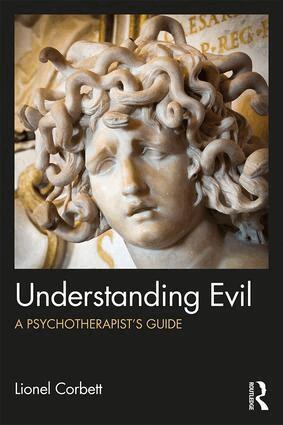
Evil is a ubiquitous, persistent problem that causes enormous human suffering. Although human beings have struggled with evil since the dawn of our species, we seem to be no nearer to ending it. In this book, Lionel Corbett describes the complexity of the problem of evil, as well as many of our current approaches to understanding it, in ways that are helpful to the practicing psychotherapist, psychoanalyst, or Jungian analyst.
Psychotherapists often work with people who have been the victim of evil, and, occasionally, the therapist is faced with a perpetrator of evil. To be helpful in these situations, the practitioner must understand the problem from several points of view, since evil is so complex that no single approach is adequate. Understanding Evil: A psychotherapist’s guide describes a range of approaches to evil based on Jungian theory, psychoanalysis, social sciences, philosophy, neurobiology, mythology, and religious studies. The book clarifies the difference between actions that are merely wrong from those that are truly evil, discusses the problem of detecting evil, and describes the effects on the clinician of witnessing evil. The book also discusses what is known about the psychology of terrorism, and the question of whether a spiritual approach to evil is necessary, or whether evil can be approached from a purely secular point of view.
In Understanding Evil, a combination of psychoanalytic and Jungian theory allows the practitioner a deep understanding of the problem of evil. The book will appeal to analytical psychologists and psychotherapists, psychoanalysts, and academics and students of Jungian and post-Jungian studies. It will also be of great interest to researchers approaching the question of evil from a variety of other fields, including philosophy and religious studies.
588 kr
Läs direkt efter köp
Evil is a ubiquitous, persistent problem that causes enormous human suffering. Although human beings have struggled with evil since the dawn of our species, we seem to be no nearer to ending it. In this book, Lionel Corbett describes the complexity of the problem of evil, as well as many of our current approaches to understanding it, in ways that are helpful to the practicing psychotherapist, psychoanalyst, or Jungian analyst.
Psychotherapists often work with people who have been the victim of evil, and, occasionally, the therapist is faced with a perpetrator of evil. To be helpful in these situations, the practitioner must understand the problem from several points of view, since evil is so complex that no single approach is adequate. Understanding Evil: A psychotherapist’s guide describes a range of approaches to evil based on Jungian theory, psychoanalysis, social sciences, philosophy, neurobiology, mythology, and religious studies. The book clarifies the difference between actions that are merely wrong from those that are truly evil, discusses the problem of detecting evil, and describes the effects on the clinician of witnessing evil. The book also discusses what is known about the psychology of terrorism, and the question of whether a spiritual approach to evil is necessary, or whether evil can be approached from a purely secular point of view.
In Understanding Evil, a combination of psychoanalytic and Jungian theory allows the practitioner a deep understanding of the problem of evil. The book will appeal to analytical psychologists and psychotherapists, psychoanalysts, and academics and students of Jungian and post-Jungian studies. It will also be of great interest to researchers approaching the question of evil from a variety of other fields, including philosophy and religious studies.
708 kr
Skickas
535 kr
Skickas inom 3-6 vardagar
412 kr
Skickas inom 3-6 vardagar
884 kr
Skickas inom 3-6 vardagar
415 kr
Skickas inom 3-6 vardagar
376 kr
Skickas inom 3-6 vardagar
360 kr
Skickas inom 3-6 vardagar
415 kr
Skickas inom 3-6 vardagar