Lisa Beisswanger – författare
Visar alla böcker från författaren Lisa Beisswanger. Handla med fri frakt och snabb leverans.
6 produkter
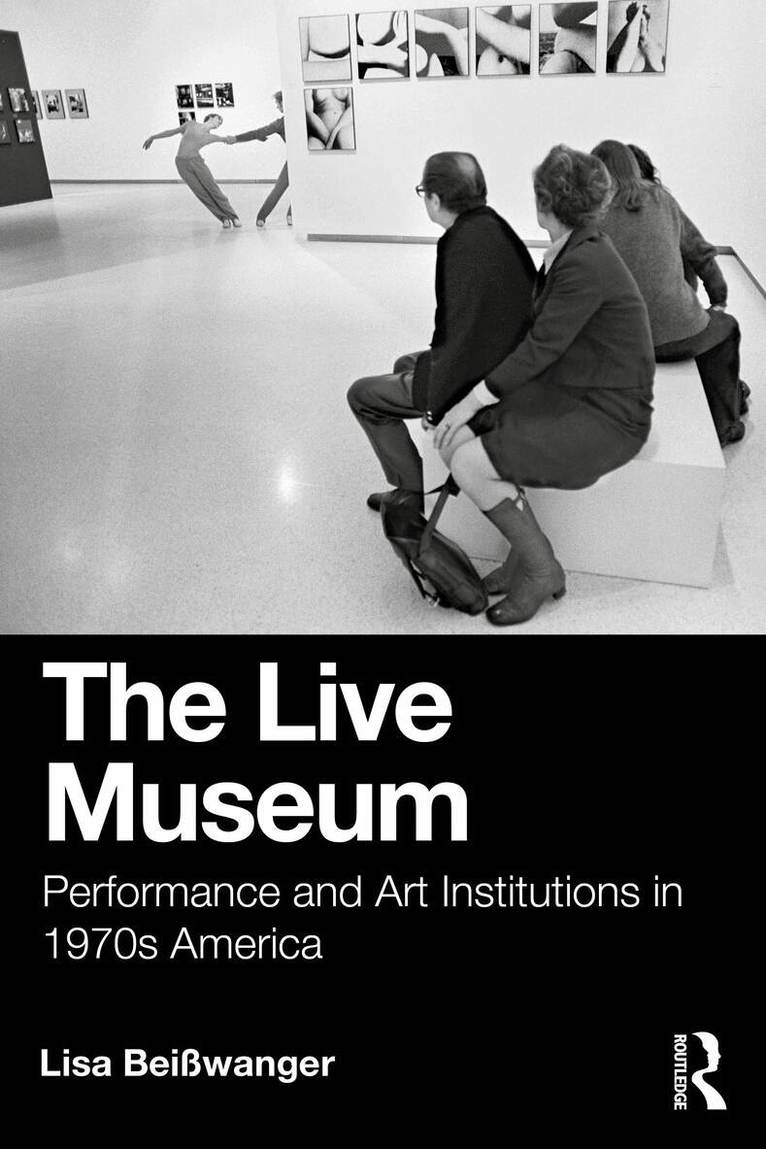
Live Museum
Performance and Art Institutions in 1970s America
Häftad, 2026
665 kr
Lägg i varukorg
The Live Museum uncovers the surprising history of live performances in US museums during the 1970s, exploring how and why both art and museums came alive in this era. It reframes this period as a pivotal moment when museums and artists co-created new possibilities for art in motion—an experiment …
Live Museum
Performance and Art Institutions in 1970s America
Inbunden, 2026
2578 kr
Lägg i varukorg
The Live Museum uncovers the surprising history of live performances in US museums during the 1970s, exploring how and why both art and museums came alive in this era. It reframes this period as a pivotal moment when museums and artists co-created new possibilities for art in motion—an experiment …
Live Museum
Performance and Art Institutions in 1970s America
E-bok, 2026
785 kr
Lägg i varukorg
The Live Museum uncovers the surprising history of live performances in US museums during the 1970s, exploring how and why both art and museums came alive in this era. It reframes this period as a pivotal moment when museums and artists co-created new possibilities for art in motion-an experiment …
Live Museum
Performance and Art Institutions in 1970s America
E-bok, 2026
768 kr
Lägg i varukorg
The Live Museum uncovers the surprising history of live performances in US museums during the 1970s, exploring how and why both art and museums came alive in this era. It reframes this period as a pivotal moment when museums and artists co-created new possibilities for art in motion-an experiment …
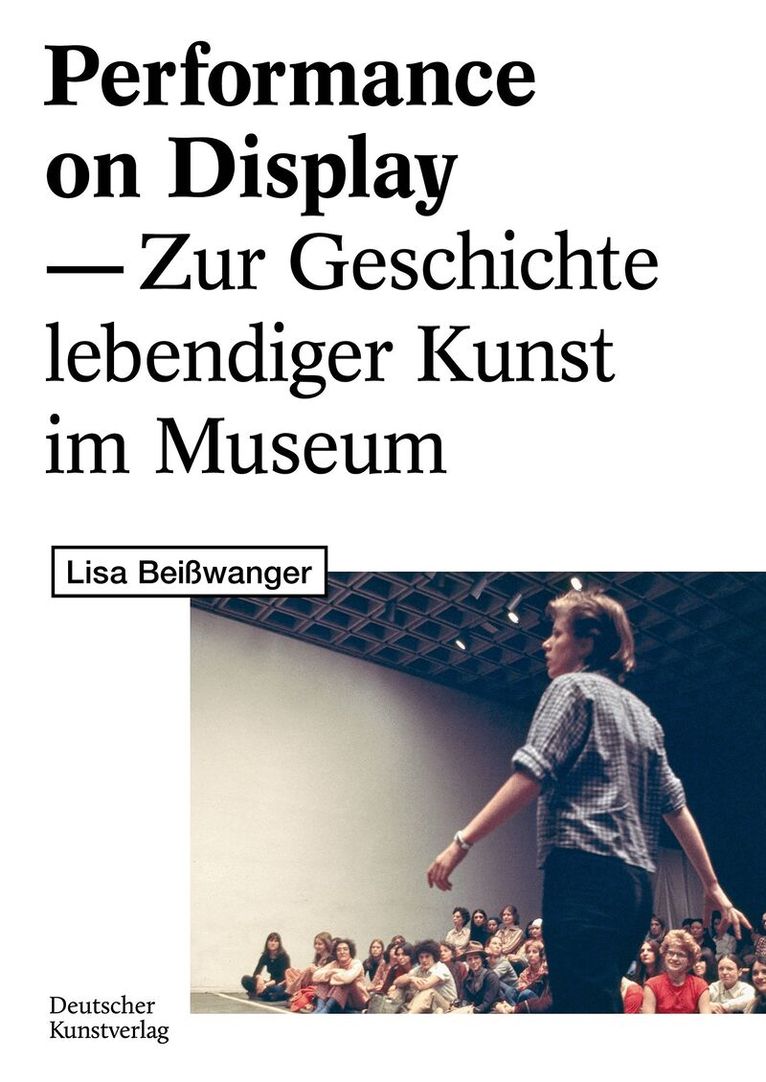
Performance on Display
Zur Geschichte lebendiger Kunst im Museum
Häftad, 2021
1028 kr
Lägg i varukorg
Live performances are now an everyday occurrence in art museums. Yet is this really a new development? When, how and why did art come to life in the museum? These are the questions the author examines. She highlights the less well-known beginnings of the phenomenon of performance in the museum and …
Are You a Model?
On an Architectural Medium of Spatial Exploration
Av Anna-Maria Meister, Teresa Fankhänel m. fl.
Häftad, 2024
471 kr
Lägg i varukorg
Are You a Model? explores the model as architectural tool and practice. The volume approaches architectural models not as categorical objects but through questions such as: What determines a model’s functions and agencies? When in the design process does it unfold its power and when has it served …