681 kr
Skickas inom 10-15 vardagar
681 kr
Skickas inom 10-15 vardagar
523 kr
Skickas inom 5-8 vardagar
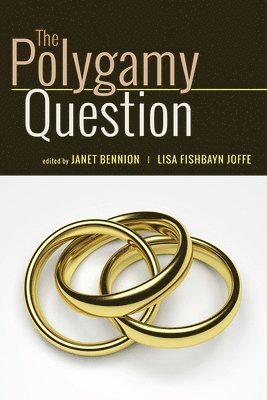
The practice of polygamy occupies a unique place in North American history and has had a profound effect on its legal and social development. The Polygamy Question explores the ways in which indigenous and immigrant polygamy have shaped the lives of individuals, communities, and the broader societies that have engaged with it. The book also considers how polygamy challenges our traditional notions of gender and marriage and how it might be effectively regulated to comport with contemporary notions of justice.
The contributors to this volume-scholars of law, anthropology, sociology, political science, economics, and religious studies-disentangle diverse forms of polygamy and polyamory practiced among a range of religious and national backgrounds including Mormon and Muslim. They chart the harms and benefits these models have on practicing women, children, and men, whether they are independent families or members of coherent religious groups. Contributors also address the complexities of evaluating this form of marriage and the ethical and legal issues surrounding regulation of the practice, including the pros and cons of legalization.
Plural marriage is the next frontier of North American marriage law and possibly the next civil rights battlefield. Students and scholars interested in polygamy, marriage, and family will find much of interest in The Polygamy Question. Contributors include Kerry Abrams, Martha Bailey, Lori Beaman, Janet Bennion, Jonathan Cowden, Shoshana Grossbard, Melanie Heath, Debra Majeed, Rose McDermott, Sarah Song, and Maura Irene Strassberg.
2 473 kr
Skickas inom 10-15 vardagar
796 kr
Läs direkt efter köp
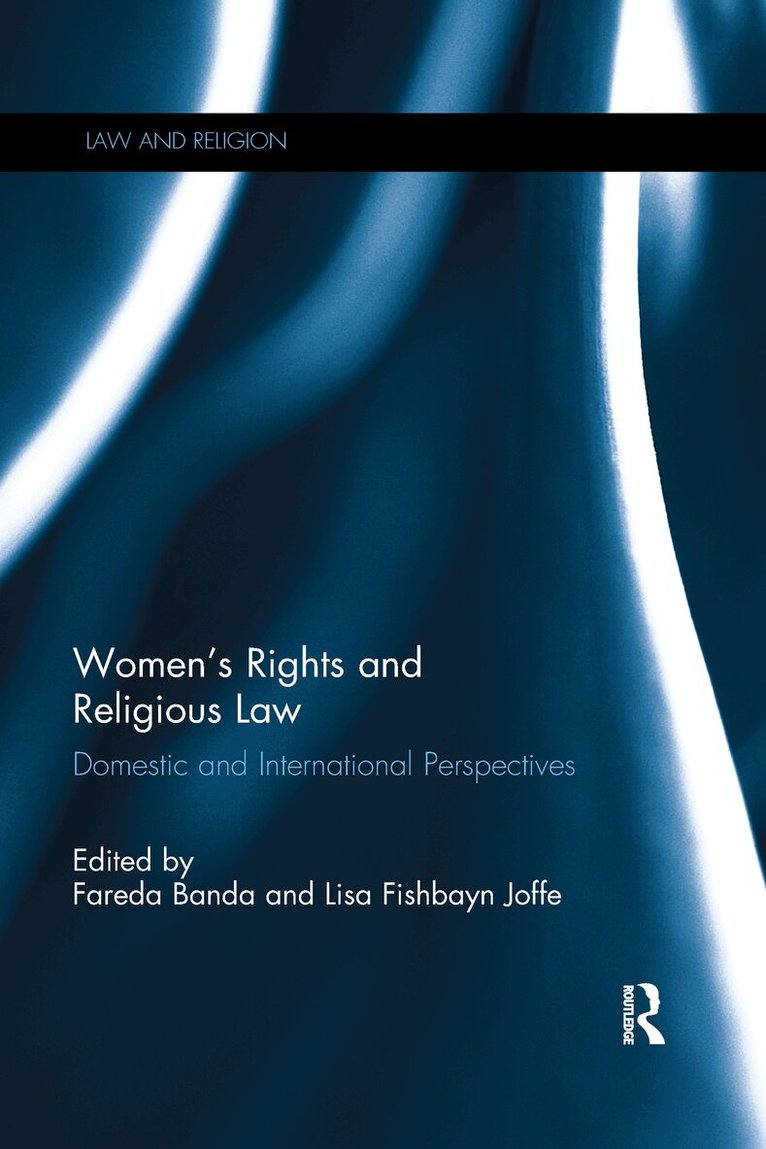
The three Abrahamic faiths have dominated religious conversations for millennia but the relations between state and religion are in a constant state of flux. This relationship may be configured in a number of ways. Religious norms may be enforced by the state as part of a regime of personal law or, conversely, religious norms may be formally relegated to the private sphere but can be brought into the legal realm through the private acts of individuals. Enhanced recognition of religious tribunals or religious doctrines by civil courts may create a hybrid of these two models.
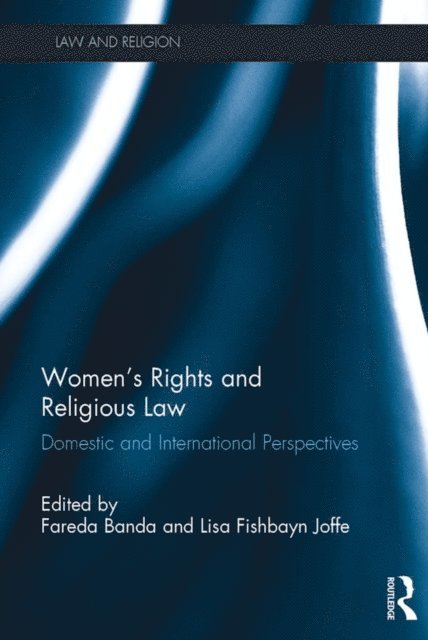
One of the major issues in the reconciliation of changing civic ideals with religious tenets is gender equality, and this is an ongoing challenge in both domestic and international affairs. Examining this conflict within the context of a range of issues including marriage and divorce, violence against women and children, and women’s political participation, this collection brings together a discussion of the Abrahamic religions to examine the role of religion in the struggle for women’s equality around the world. The book encompasses both theory and practical examples of how law can be used to negotiate between claims for gender equality and the right to religion. It engages with international and regional human rights norms and also national considerations within countries.
This book will be of great relevance to scholars and policy makers with an interest in law and religion, gender studies and human rights law.
733 kr
Läs direkt efter köp
The three Abrahamic faiths have dominated religious conversations for millennia but the relations between state and religion are in a constant state of flux. This relationship may be configured in a number of ways. Religious norms may be enforced by the state as part of a regime of personal law or, conversely, religious norms may be formally relegated to the private sphere but can be brought into the legal realm through the private acts of individuals. Enhanced recognition of religious tribunals or religious doctrines by civil courts may create a hybrid of these two models.
One of the major issues in the reconciliation of changing civic ideals with religious tenets is gender equality, and this is an ongoing challenge in both domestic and international affairs. Examining this conflict within the context of a range of issues including marriage and divorce, violence against women and children, and women’s political participation, this collection brings together a discussion of the Abrahamic religions to examine the role of religion in the struggle for women’s equality around the world. The book encompasses both theory and practical examples of how law can be used to negotiate between claims for gender equality and the right to religion. It engages with international and regional human rights norms and also national considerations within countries.
This book will be of great relevance to scholars and policy makers with an interest in law and religion, gender studies and human rights law.
316 kr
Skickas inom 5-8 vardagar
681 kr
Skickas inom 10-15 vardagar
523 kr
Skickas inom 5-8 vardagar
The practice of polygamy occupies a unique place in North American history and has had a profound effect on its legal and social development. The Polygamy Question explores the ways in which indigenous and immigrant polygamy have shaped the lives of individuals, communities, and the broader societies that have engaged with it. The book also considers how polygamy challenges our traditional notions of gender and marriage and how it might be effectively regulated to comport with contemporary notions of justice.
The contributors to this volume-scholars of law, anthropology, sociology, political science, economics, and religious studies-disentangle diverse forms of polygamy and polyamory practiced among a range of religious and national backgrounds including Mormon and Muslim. They chart the harms and benefits these models have on practicing women, children, and men, whether they are independent families or members of coherent religious groups. Contributors also address the complexities of evaluating this form of marriage and the ethical and legal issues surrounding regulation of the practice, including the pros and cons of legalization.
Plural marriage is the next frontier of North American marriage law and possibly the next civil rights battlefield. Students and scholars interested in polygamy, marriage, and family will find much of interest in The Polygamy Question. Contributors include Kerry Abrams, Martha Bailey, Lori Beaman, Janet Bennion, Jonathan Cowden, Shoshana Grossbard, Melanie Heath, Debra Majeed, Rose McDermott, Sarah Song, and Maura Irene Strassberg.
2 473 kr
Skickas inom 10-15 vardagar
796 kr
Läs direkt efter köp
The three Abrahamic faiths have dominated religious conversations for millennia but the relations between state and religion are in a constant state of flux. This relationship may be configured in a number of ways. Religious norms may be enforced by the state as part of a regime of personal law or, conversely, religious norms may be formally relegated to the private sphere but can be brought into the legal realm through the private acts of individuals. Enhanced recognition of religious tribunals or religious doctrines by civil courts may create a hybrid of these two models.
One of the major issues in the reconciliation of changing civic ideals with religious tenets is gender equality, and this is an ongoing challenge in both domestic and international affairs. Examining this conflict within the context of a range of issues including marriage and divorce, violence against women and children, and women’s political participation, this collection brings together a discussion of the Abrahamic religions to examine the role of religion in the struggle for women’s equality around the world. The book encompasses both theory and practical examples of how law can be used to negotiate between claims for gender equality and the right to religion. It engages with international and regional human rights norms and also national considerations within countries.
This book will be of great relevance to scholars and policy makers with an interest in law and religion, gender studies and human rights law.
733 kr
Läs direkt efter köp
The three Abrahamic faiths have dominated religious conversations for millennia but the relations between state and religion are in a constant state of flux. This relationship may be configured in a number of ways. Religious norms may be enforced by the state as part of a regime of personal law or, conversely, religious norms may be formally relegated to the private sphere but can be brought into the legal realm through the private acts of individuals. Enhanced recognition of religious tribunals or religious doctrines by civil courts may create a hybrid of these two models.
One of the major issues in the reconciliation of changing civic ideals with religious tenets is gender equality, and this is an ongoing challenge in both domestic and international affairs. Examining this conflict within the context of a range of issues including marriage and divorce, violence against women and children, and women’s political participation, this collection brings together a discussion of the Abrahamic religions to examine the role of religion in the struggle for women’s equality around the world. The book encompasses both theory and practical examples of how law can be used to negotiate between claims for gender equality and the right to religion. It engages with international and regional human rights norms and also national considerations within countries.
This book will be of great relevance to scholars and policy makers with an interest in law and religion, gender studies and human rights law.
316 kr
Skickas inom 5-8 vardagar