Lisa L. Moore – författare
Visar alla böcker från författaren Lisa L. Moore. Handla med fri frakt och snabb leverans.
8 produkter
8 produkter
1 009 kr
Skickas inom 5-8 vardagar
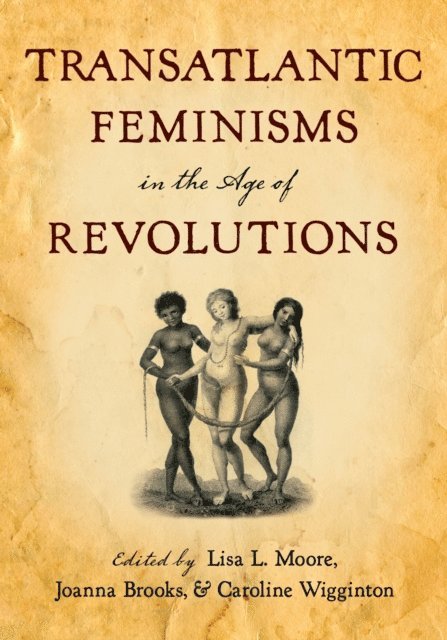
Transatlantic Feminisms in the Age of Revolutions restores a lost chapter in the history of feminism and illuminates the complexity of the rights debates of the eighteenth century. As the English language followed the routes of trade and colonialism to become the lingua franca of much of the Atlantic world, women who experienced dispossession and violence on the one hand, and new freedoms and opportunities on the other, wrote about their experiences. English, Scots and Irish women; colonists and indigenous women; Loyalists and Patriots; religious leaders and scandal-dogged actresses; slaves and free women of color-this anthology puts all these eighteenth-century voices in conversation with one another in an unprecedented archive of primary sources that will become indispensable to students and scholars of the eighteenth century in English, history, and women's and gender studies.
575 kr
Skickas inom 5-8 vardagar
Transatlantic Feminisms in the Age of Revolutions restores a lost chapter in the history of feminism and illuminates the complexity of the rights debates of the eighteenth century. As the English language followed the routes of trade and colonialism to become the lingua franca of much of the Atlantic world, women who experienced dispossession and violence on the one hand, and new freedoms and opportunities on the other, wrote about their experiences. English, Scots and Irish women; colonists and indigenous women; Loyalists and Patriots; religious leaders and scandal-dogged actresses; slaves and free women of color-this anthology puts all these eighteenth-century voices in conversation with one another in an unprecedented archive of primary sources that will become indispensable to students and scholars of the eighteenth century in English, history, and women's and gender studies.
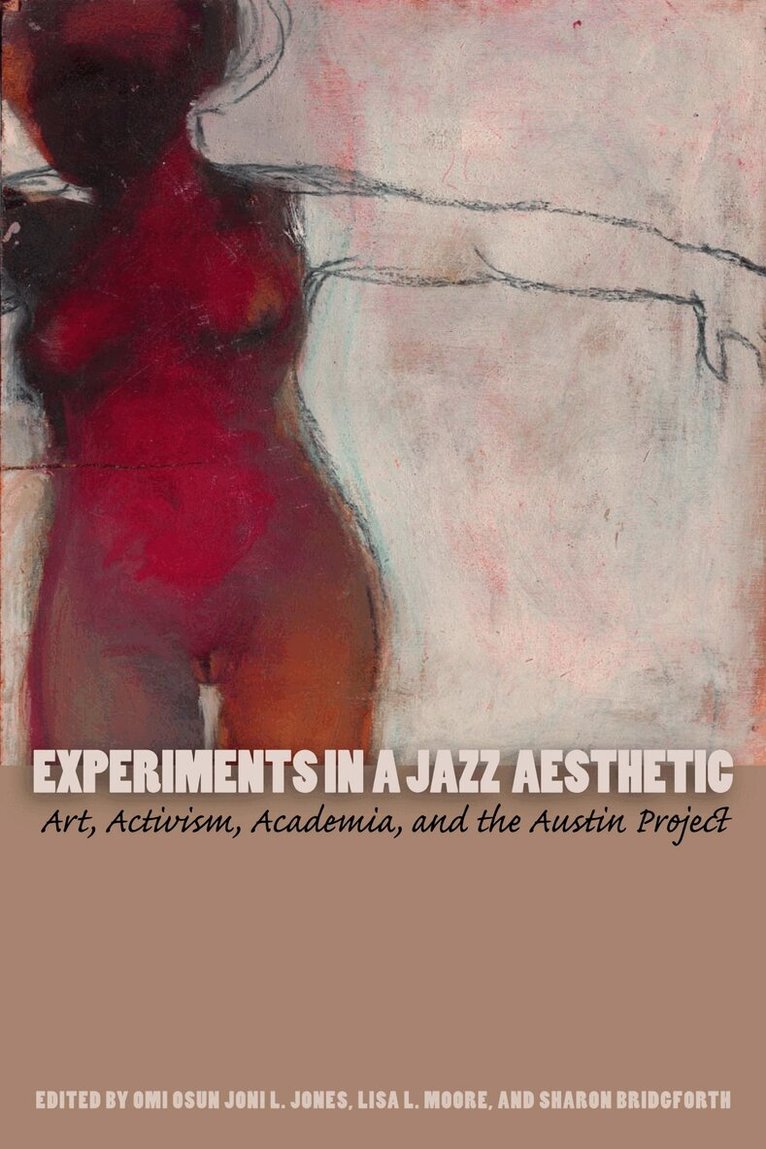
Experiments in a Jazz Aesthetic
Art, Activism, Academia, and the Austin Project
Häftad, Engelska, 2010
326 kr
Skickas inom 10-15 vardagar
In Austin, Texas, in 2002, a group of artists, activists, and academics led by performance studies scholar Omi Osun Joni L. Jones formed the Austin Project (tAP), which meets annually in order to provide a space for women of color and their allies to build relationships based on trust, creativity, and commitment to social justice by working together to write and perform work in the jazz aesthetic.Inspired by this experience, this book is both an anthology of new writing and a sourcebook for those who would like to use creative writing and performance to energize their artistic, scholarly, and activist practices. Theoretical and historical essays by Omi Osun Joni L. Jones describe and define the African American tradition of art-making known as the jazz aesthetic, and explain how her own work in this tradition inspired her to start tAP.Key artists in the tradition, from Bessie Award–winning choreographer Laurie Carlos and writer/performer Robbie McCauley to playwrights Daniel Alexander Jones and Carl Hancock Rux, worked with the women of tAP as mentors and teachers. This book brings together never-before-published, must-read materials by these nationally known artists and the transformative writing of tAP participants. A handbook for workshop leaders by Lambda Literary Award–winning writer Sharon Bridgforth, tAP's inaugural anchor artist, offers readers the tools for starting similar projects in their own communities. A full-length script of the 2005 tAP performance is an original documentation of the collaborative, breath-based, body work of the jazz aesthetic in theatre, and provides both a script for use by theatre artists and an invaluable documentation of a major transformative movement in contemporary performance.
321 kr
Skickas inom 5-8 vardagar
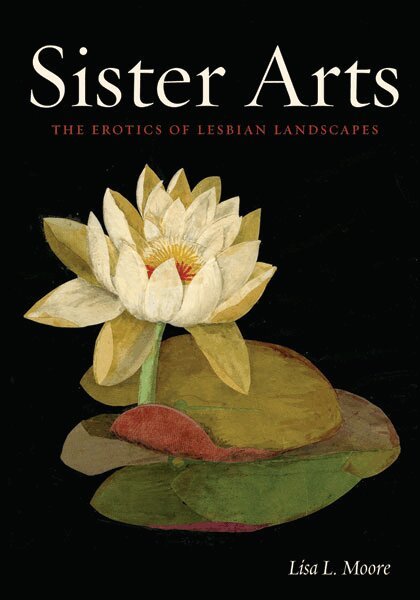
In the great age of English garden design, eighteenth-century women working in the “sister arts” of painting, poetry, and landscape gardening adapted the Linnaean system of plant classification and the tradition of the erotic garden to create art with and for other women that celebrated everything from classical friendship to erotic love. In this book, filled with lush illustrations and intriguing stories, Lisa L. Moore reveals how these women artists used flowers, gardens, and landscapes to express their love for other women.Aristocratic diarist Mary Delany built a garden grotto for the exclusive use of herself and the naturalist and collector Margaret Bentinck, Duchess of Portland. Romantic poet Anna Seward, mourning the loss of Honora Sneyd to an unworthy marriage and then death, wrote her beloved’s face and body into her landscape poems. And in 1790s Connecticut, feminist intellectual Sarah Pierce transformed texts and images into a new poetic evocation of intimacy between women both egalitarian and erotic. These women, Moore shows, influenced later works by Emily Dickinson, Georgia O’Keeffe, Frida Kahlo, and Tee Corinne.Moore goes on to trace the legacy of the lesbian sister arts tradition in subsequent art and poetry, including contemporary multimedia work by Kara Walker, Michelene Thomas, Alma Lopez, and Allyson Mitchell. Her book redefines this unstudied sister arts tradition, which becomes visible only when we understand how the works of these women exemplify what she deems “lesbian genres.” It will captivate readers who want to know more about women’s contributions to garden history and landscape design-as well as those looking for a new perspective on queer history, literature, and culture.
1 350 kr
Skickas inom 5-8 vardagar
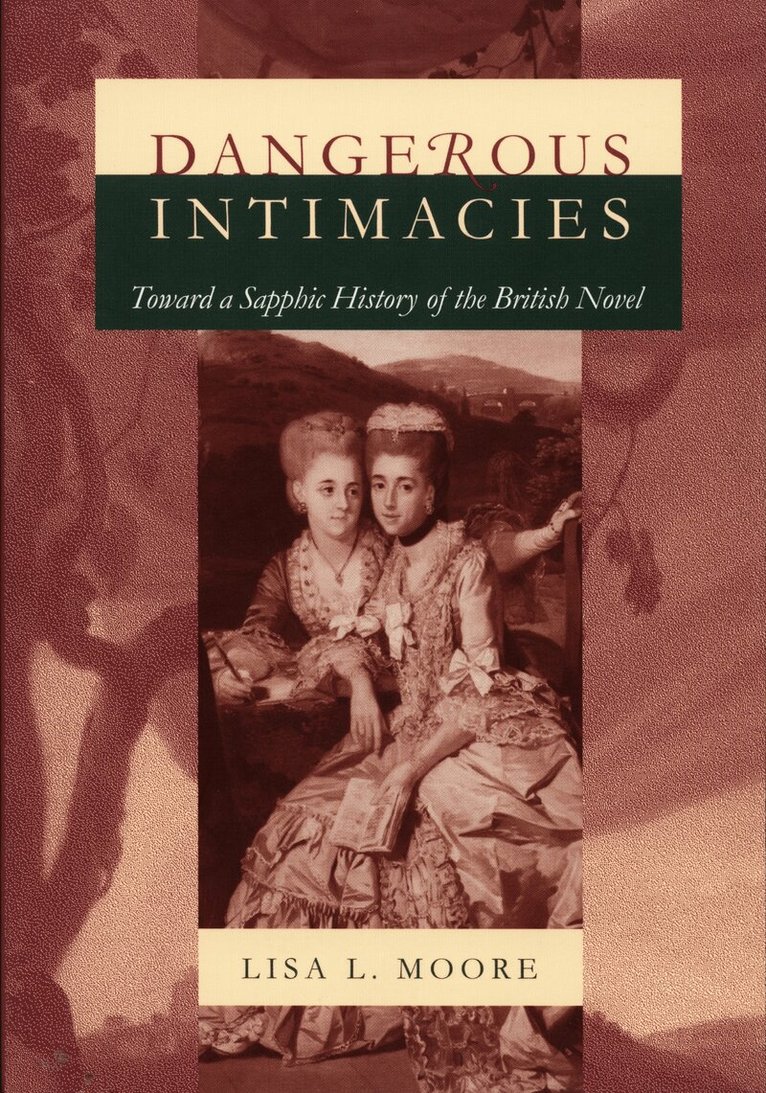
Refuting commonly held beliefs within women’s and lesbian history, feminist theory, and histories of the novel, Dangerous Intimacies challenges the idea that sex between women was unimaginable in British culture before the late nineteenth century. Lisa L. Moore argues that literary representations of female sexual agency-and in particular "sapphic" relationships between women-were central to eighteenth-century debates over English national identity. Moore shows how the novel’s representation of women’s "romantic friendships"-both platonic and sexual-were encoded within wider social concerns regarding race, nation, and colonialist ventures.Moore demonstrates that intimacy between women was vividly imagined in the British eighteenth century as not only chaste and virtuous, but also insistently and inevitably sexual. She looks at instances of sapphism in such novels as Millenium Hall, Memoirs of a Woman of Pleasure, Belinda, and Emma and analyzes how the new literary form of the novel made the bourgeois heroine’s successful negotiation of female friendship central to the establishment of her virtue. Moore also examines representations of sapphism through the sweeping economic and political changes of the period and claims that middle-class readers’ identifications with the heroine’s virtue helped the novel’s bourgeois audience justify the violent bases of their new prosperity, including slavery, colonialism, and bloody national rivalry. In revealing the struggle over sapphism at the heart of these novels of female friendship-and at the heart of England’s national identity-Moore shows how feminine sexual agency emerged as an important cultural force in post-Enlightenment England
374 kr
Skickas inom 5-8 vardagar
Refuting commonly held beliefs within women’s and lesbian history, feminist theory, and histories of the novel, Dangerous Intimacies challenges the idea that sex between women was unimaginable in British culture before the late nineteenth century. Lisa L. Moore argues that literary representations of female sexual agency-and in particular "sapphic" relationships between women-were central to eighteenth-century debates over English national identity. Moore shows how the novel’s representation of women’s "romantic friendships"-both platonic and sexual-were encoded within wider social concerns regarding race, nation, and colonialist ventures.Moore demonstrates that intimacy between women was vividly imagined in the British eighteenth century as not only chaste and virtuous, but also insistently and inevitably sexual. She looks at instances of sapphism in such novels as Millenium Hall, Memoirs of a Woman of Pleasure, Belinda, and Emma and analyzes how the new literary form of the novel made the bourgeois heroine’s successful negotiation of female friendship central to the establishment of her virtue. Moore also examines representations of sapphism through the sweeping economic and political changes of the period and claims that middle-class readers’ identifications with the heroine’s virtue helped the novel’s bourgeois audience justify the violent bases of their new prosperity, including slavery, colonialism, and bloody national rivalry. In revealing the struggle over sapphism at the heart of these novels of female friendship-and at the heart of England’s national identity-Moore shows how feminine sexual agency emerged as an important cultural force in post-Enlightenment England
1 844 kr
Kommande
A conversational, nerdy, funny, and sexy contribution to the history of feminist and lesbian movements and the practice and criticism of poetry.Conversational, nerdy, funny, and sexy, How Lesbians Saved Poetry asks: "Why are so many of our great feminist and queer studies icons poets?" Incorporating personal narrative, literary analysis, craft essays, poems, graphics, and interviews, Lisa L. Moore describes the significance of lesbian poets in the formation of contemporary poetry as well as feminist and queer studies and activism. In a multimethod style that is conversational, wry, and candid, the book explores notable debates such as the feminist sex wars, the politics of the sonnet, and poetic traditons of critiquing racist violence. The book also includes priceless interviews with poets Samiya Bashir, Chrystos, Cheryl Clarke, Judy Grahn, Minnie Bruce Pratt, and Eileen Myles. How Lesbians Saved Poetry is a timeless and necessary contribution to the history of feminist and lesbian movements and the practice and criticism of poetry.
359 kr
Kommande
A conversational, nerdy, funny, and sexy contribution to the history of feminist and lesbian movements and the practice and criticism of poetry.Conversational, nerdy, funny, and sexy, How Lesbians Saved Poetry asks: "Why are so many of our great feminist and queer studies icons poets?" Incorporating personal narrative, literary analysis, craft essays, poems, graphics, and interviews, Lisa L. Moore describes the significance of lesbian poets in the formation of contemporary poetry as well as feminist and queer studies and activism. In a multimethod style that is conversational, wry, and candid, the book explores notable debates such as the feminist sex wars, the politics of the sonnet, and poetic traditons of critiquing racist violence. The book also includes priceless interviews with poets Samiya Bashir, Chrystos, Cheryl Clarke, Judy Grahn, Minnie Bruce Pratt, and Eileen Myles. How Lesbians Saved Poetry is a timeless and necessary contribution to the history of feminist and lesbian movements and the practice and criticism of poetry.