Lisa M. Holmes – författare
723 kr
Skickas inom 10-15 vardagar
2 114 kr
Skickas inom 10-15 vardagar
883 kr
Läs direkt efter köp
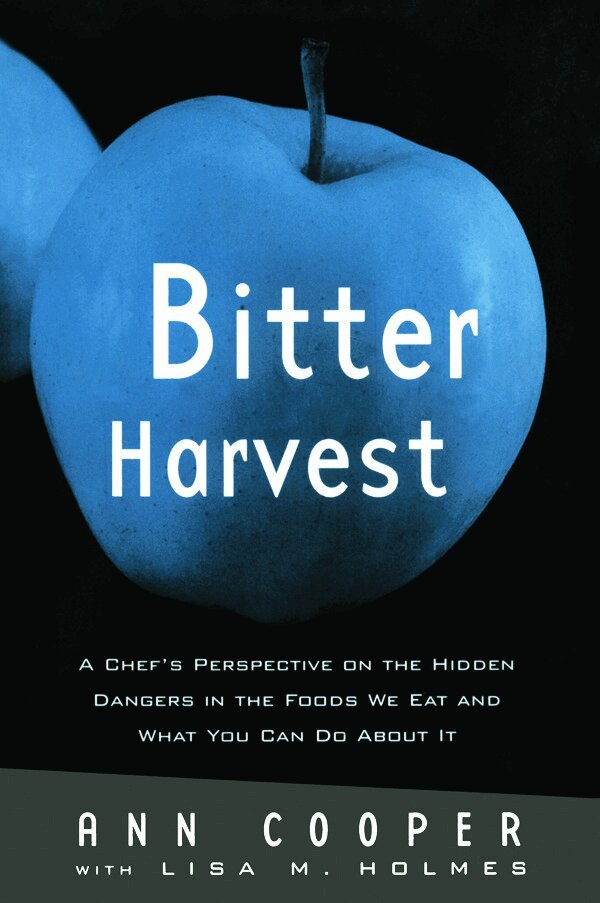
The history of food is not as straightforward as it may seem. Food isn''t just food. It is ritual, tradition and memory. So begins Ann Cooper''s groundbreaking new book on the history of sustenance. Cooper, a renowned chef and graduate of New York''s famed Culinary Institute of America, expertly guides us from the roots of agriculture in North America through the profound changes initiated by the Industrial Revolution, all the way up to the present day, offering analyses of recent controversies such as Europe''s campaign against Frankenstein food and the genetic engineering of plants and animals in the United States. Throughout, Cooper takes both a macro and micro approach, examining the effect politics, technology, war, international trade and agribusiness have had on the world''s food supply, as well as the changing social patterns which have made a family meal at the table almost a relic of the past. Did you know? · 80% of chicken has salmonella. · By the year 2010, 95 percent of items bought at the grocery store may be consumed within 20 minutes of getting them home. · Cancer researchers believe that over one third of all future cancers will be diet-related -- roughly the same proportion now attributable to smoking. Passionate, political, informed and engaging, Bitter Harvest is filled with fascinating facts and anecdotes. Cooper offers a comprehensive analysis of the issue of sustainability, arguing persuasively why we must begin to change everything from the way food is shipped to the basic components of our diets. Touching on virtually every aspect of the food culture, Bitter Harvest is a vibrant example of the emergence of the chef as a political voice to be reckoned with. A food manifesto for the new millennium, it is a must-read for anyone concerned with health, nutrition and the future of our planet. You will never look at your dinner plate in quite the same way again.
883 kr
Läs direkt efter köp
The history of food is not as straightforward as it may seem. Food isn''t just food. It is ritual, tradition and memory. So begins Ann Cooper''s groundbreaking new book on the history of sustenance. Cooper, a renowned chef and graduate of New York''s famed Culinary Institute of America, expertly guides us from the roots of agriculture in North America through the profound changes initiated by the Industrial Revolution, all the way up to the present day, offering analyses of recent controversies such as Europe''s campaign against Frankenstein food and the genetic engineering of plants and animals in the United States. Throughout, Cooper takes both a macro and micro approach, examining the effect politics, technology, war, international trade and agribusiness have had on the world''s food supply, as well as the changing social patterns which have made a family meal at the table almost a relic of the past. Did you know? · 80% of chicken has salmonella. · By the year 2010, 95 percent of items bought at the grocery store may be consumed within 20 minutes of getting them home. · Cancer researchers believe that over one third of all future cancers will be diet-related -- roughly the same proportion now attributable to smoking. Passionate, political, informed and engaging, Bitter Harvest is filled with fascinating facts and anecdotes. Cooper offers a comprehensive analysis of the issue of sustainability, arguing persuasively why we must begin to change everything from the way food is shipped to the basic components of our diets. Touching on virtually every aspect of the food culture, Bitter Harvest is a vibrant example of the emergence of the chef as a political voice to be reckoned with. A food manifesto for the new millennium, it is a must-read for anyone concerned with health, nutrition and the future of our planet. You will never look at your dinner plate in quite the same way again.
1 060 kr
Läs direkt efter köp
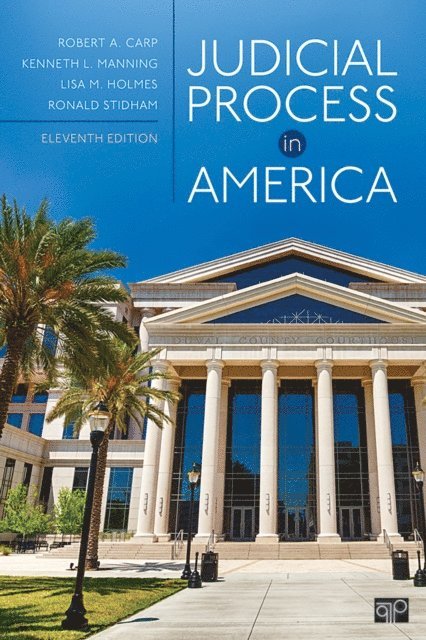
Known for shedding light on the link between the courts, public policy, and the political environment, Judicial Process in America offers students a clear but comprehensive overview of today’s American judiciary. Considering the courts from every level, the authors thoroughly cover judges, lawyers, litigants, and the variables at play in judicial decision-making. The highly anticipated Eleventh Edition offers updated coverage of recent Supreme Court rulings, including same-sex marriage and health care subsidies; the effect of three women justices on the Court′s patterns of decision; and the policy-making role of state tribunals as they consider an increasing number of state programs and policies.New to this Edition
Discussions of recent judicial appointments take a critical look at how President Trump’s victory has set the stage for moving the ideological direction of the Supreme Court and of the lower federal judiciary in a distinctly more conservative direction.  An analysis of recent controversial Supreme Court decisions help students to identify with the content by exploring issues such as, citizenship rights for immigrants, gay and lesbian rights, and freedom of speech and religion. Additional tables and graphs illustrate the patterns and trends that are occurring in today’s judicial process. New coverage of current topics help students see how the judicial process is applied. These topics include: the legality of Congress’ feeble attempts to "repeal and replace" the Affordable Care Act that affects millions of people; how to address the issues of immigration and deportations, including what to do about so-called Dreamers (children brought illegally to the United States by their parents without the children’s knowledge and who have spent much or all of their lives here); the status of abortion rights in America as more and more conservative states have sought to further restrict a woman’s right to such a procedure; the legal status of transgender persons in the armed forces; the degree to which severely gerrymandered legislative districts pass constitutional muster; and the great changes in the issue of same-sex marriage, both among average Americans and within the state and federal court systems (including all the ancillary issues such as whether same-sex couples can adopt children and obtain government fringe benefits). Â