Lisa Nakamura – författare
Visar alla böcker från författaren Lisa Nakamura. Handla med fri frakt och snabb leverans.
18 produkter
Racist Zoombombing
Av Lisa Nakamura, Hanah Stiverson m. fl.
Inbunden, 2021
996 kr
Lägg i varukorg
This book examines Zoombombing, the racist harassment and hate speech on Zoom.While most accounts refer to Zoombombing as simply a new style or practice of online trolling and harassment in the wake of increased videoconferencing since the outbreak of COVID-19, this volume examines it as a …
Racist Zoombombing
Av Lisa Nakamura, Hanah Stiverson m. fl.
Häftad, 2023
371 kr
Lägg i varukorg
This book examines Zoombombing, the racist harassment and hate speech on Zoom.While most accounts refer to Zoombombing as simply a new style or practice of online trolling and harassment in the wake of increased videoconferencing since the outbreak of COVID-19, this volume examines it as a …
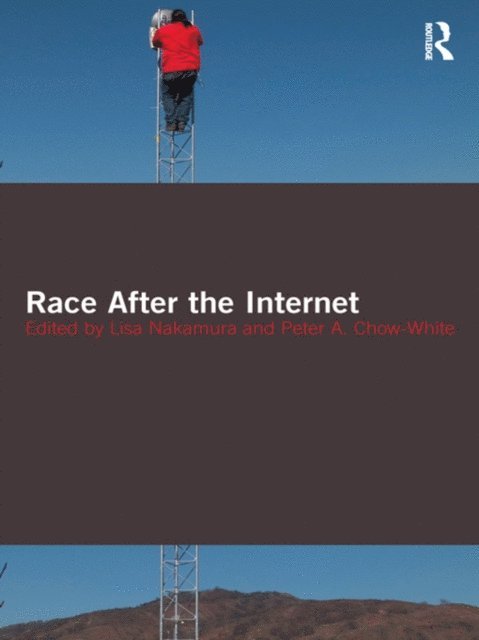
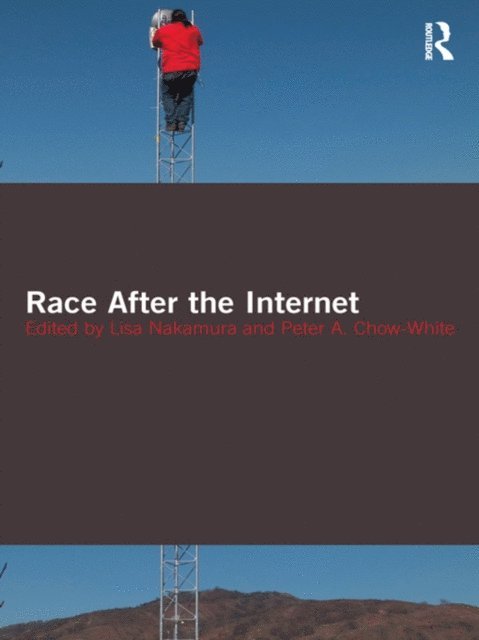
Race After the Internet
Av Lisa Nakamura, Peter Chow-White
Inbunden, 2011
3063 kr
Lägg i varukorg
In Race After the Internet, Lisa Nakamura and Peter Chow-White bring together a collection of interdisciplinary, forward-looking essays exploring the complex role that digital media technologies play in shaping our ideas about race. Contributors interrogate changing ideas of race within the context …
Race After the Internet
Av Lisa Nakamura, Peter Chow-White
Häftad, 2011
749 kr
Lägg i varukorg
In Race After the Internet, Lisa Nakamura and Peter Chow-White bring together a collection of interdisciplinary, forward-looking essays exploring the complex role that digital media technologies play in shaping our ideas about race. Contributors interrogate changing ideas of race within the context …
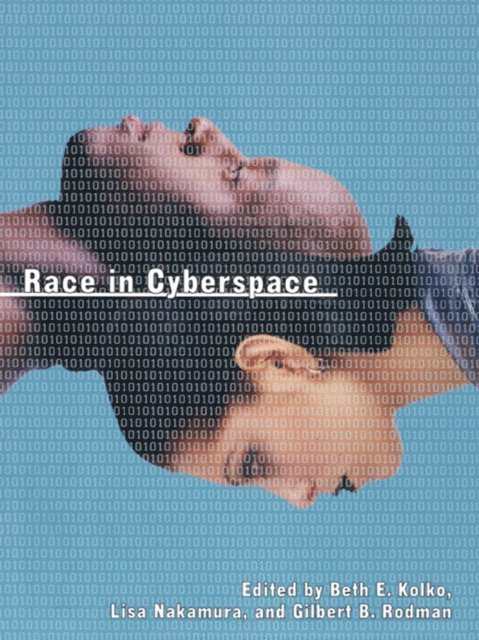
Race in Cyberspace
Av Beth Kolko, Lisa Nakamura m. fl.
Häftad, 2000
633 kr
Lägg i varukorg
Groundbreaking and timely, Race in Cyberspace brings to light the important yet vastly overlooked intersection of race and cyberspace.
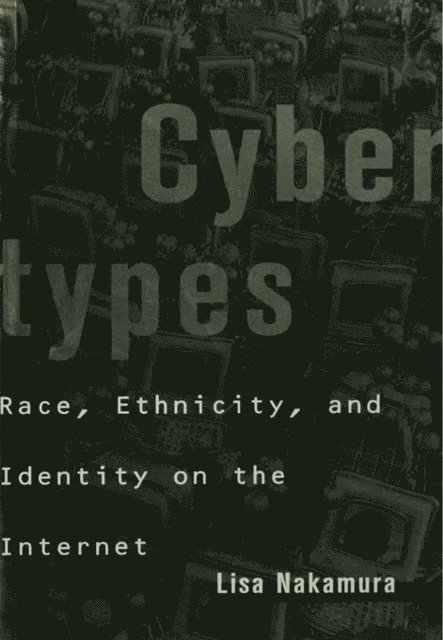
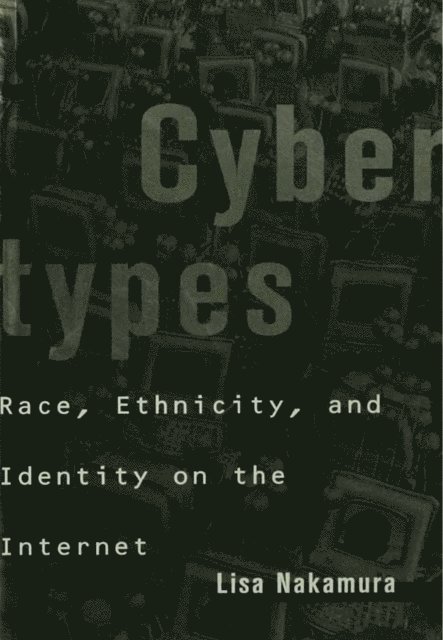
Cybertypes
Race, Ethnicity, and Identity on the Internet
Inbunden, 2002
2510 kr
Lägg i varukorg
First published in 2002. In Cybertypes, Lisa Nakamura turn sour assumption that the Net is color-blind on its head. Examining all facets of everyday web-life, she shows that racial and ethnic stereotypes, or 'cybertypes' are hardwired into our online interactions: Identity tourists masquerade in …
Cybertypes
Race, Ethnicity, and Identity on the Internet
Häftad, 2002
618 kr
Lägg i varukorg
First published in 2002. In Cybertypes, Lisa Nakamura turn sour assumption that the Net is color-blind on its head. Examining all facets of everyday web-life, she shows that racial and ethnic stereotypes, or 'cybertypes' are hardwired into our online interactions: Identity tourists masquerade in …
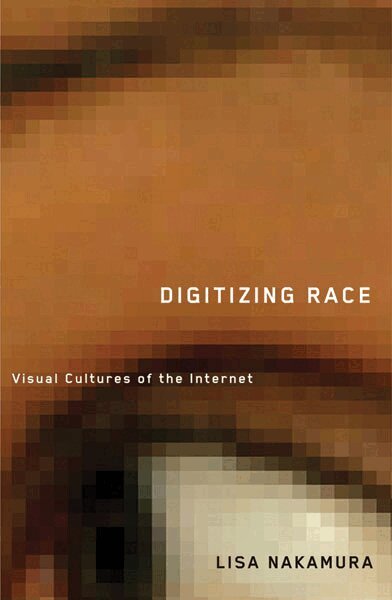
Digitizing Race
Visual Cultures of the Internet
Häftad, 2007
248 kr
Lägg i varukorg
In the nineties, neoliberalism simultaneously provided the context for the Internet’s rapid uptake in the United States and discouraged public conversations about racial politics. At the same time many scholars lauded the widespread use of text-driven interfaces as a solution to the problem of …
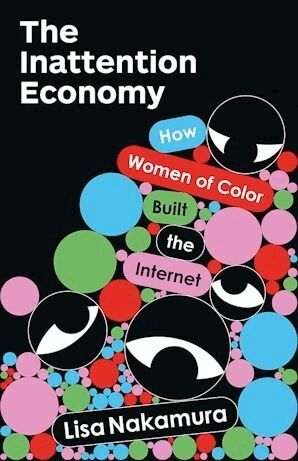
Inattention Economy
How Women of Color Built the Internet
Inbunden, 2026
1126 kr
Lägg i varukorg
Revealing the unheralded contributions of women of color to the foundation and development of the digital economyThe Inattention Economy challenges the widespread myth that the internet was born from the labor of a handful of white male entrepreneurs, recovering the uncredited and unpaid …
Inattention Economy
How Women of Color Built the Internet
Häftad, 2026
259 kr
Lägg i varukorg
Revealing the unheralded contributions of women of color to the foundation and development of the digital economyThe Inattention Economy challenges the widespread myth that the internet was born from the labor of a handful of white male entrepreneurs, recovering the uncredited and unpaid …
Racist Zoombombing
Av Kyle Lindsey, Hanah Stiverson m. fl.
E-bok, 2021
433 kr
Lägg i varukorg
This book examines Zoombombing, the racist harassment and hate speech on Zoom. While most accounts refer to Zoombombing as simply a new style or practice of online trolling and harassment in the wake of increased videoconferencing since the outbreak of COVID-19, this volume examines it as a …
Racist Zoombombing
Av Kyle Lindsey, Hanah Stiverson m. fl.
E-bok, 2021
433 kr
Lägg i varukorg
This book examines Zoombombing, the racist harassment and hate speech on Zoom. While most accounts refer to Zoombombing as simply a new style or practice of online trolling and harassment in the wake of increased videoconferencing since the outbreak of COVID-19, this volume examines it as a …
Cybertypes
Race, Ethnicity, and Identity on the Internet
E-bok, 2013
727 kr
Lägg i varukorg
First published in 2002. In Cybertypes, Lisa Nakamura turn sour assumption that the Net is color-blind on its head. Examining all facets of everyday web-life, she shows that racial and ethnic stereotypes, or ''cybertypes'' are hardwired into our online interactions: Identity tourists masquerade in …
Cybertypes
Race, Ethnicity, and Identity on the Internet
E-bok, 2013
712 kr
Lägg i varukorg
First published in 2002. In Cybertypes, Lisa Nakamura turn sour assumption that the Net is color-blind on its head. Examining all facets of everyday web-life, she shows that racial and ethnic stereotypes, or ''cybertypes'' are hardwired into our online interactions: Identity tourists masquerade in …
Race in Cyberspace
Av Gilbert Rodman, Lisa Nakamura m. fl.
E-bok, 2013
729 kr
Lägg i varukorg
Groundbreaking and timely, Race in Cyberspace brings to light the important yet vastly overlooked intersection of race and cyberspace.
Race in Cyberspace
Av Gilbert Rodman, Lisa Nakamura m. fl.
E-bok, 2013
729 kr
Lägg i varukorg
Groundbreaking and timely, Race in Cyberspace brings to light the important yet vastly overlooked intersection of race and cyberspace.
Race After the Internet
Av Peter Chow-White, Lisa Nakamura
E-bok, 2013
779 kr
Lägg i varukorg
In Race After the Internet, Lisa Nakamura and Peter Chow-White bring together a collection of interdisciplinary, forward-looking essays exploring the complex role that digital media technologies play in shaping our ideas about race. Contributors interrogate changing ideas of race within the context …
Race After the Internet
Av Peter Chow-White, Lisa Nakamura
E-bok, 2013
779 kr
Lägg i varukorg
In Race After the Internet, Lisa Nakamura and Peter Chow-White bring together a collection of interdisciplinary, forward-looking essays exploring the complex role that digital media technologies play in shaping our ideas about race. Contributors interrogate changing ideas of race within the context …