Liz Sharp – författare
2 438 kr
Skickas inom 10-15 vardagar
883 kr
Skickas inom 10-15 vardagar
1 022 kr
Läs direkt efter köp
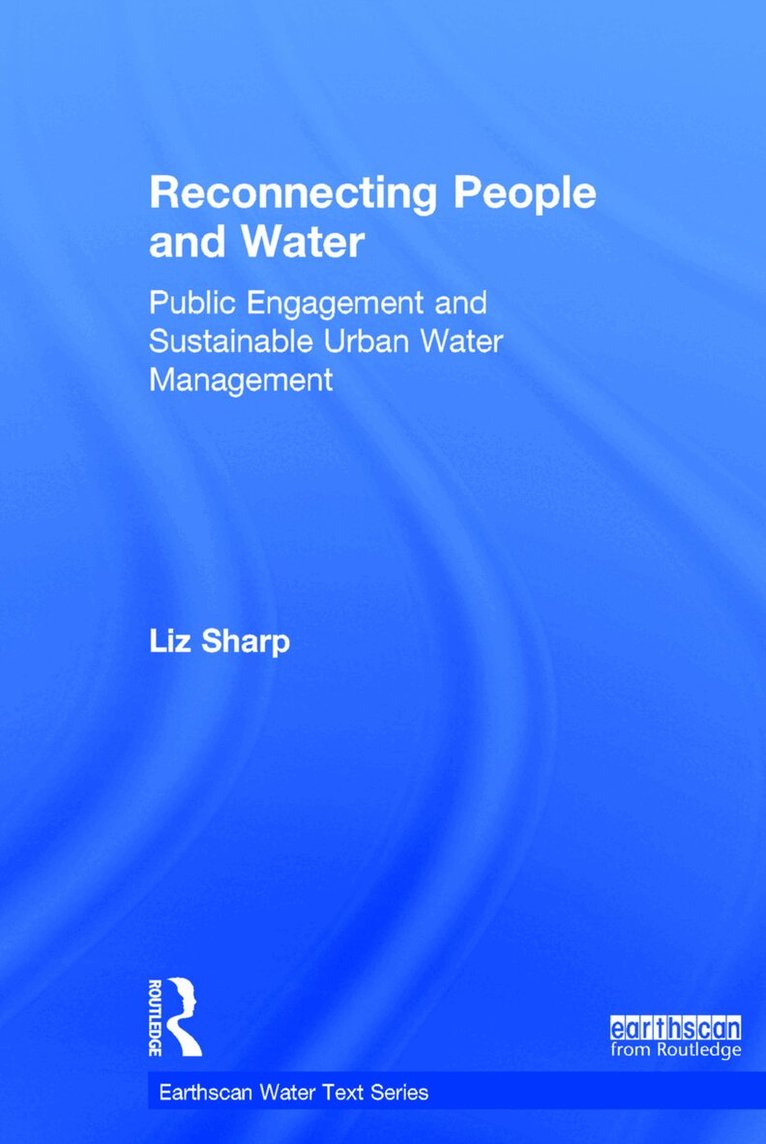
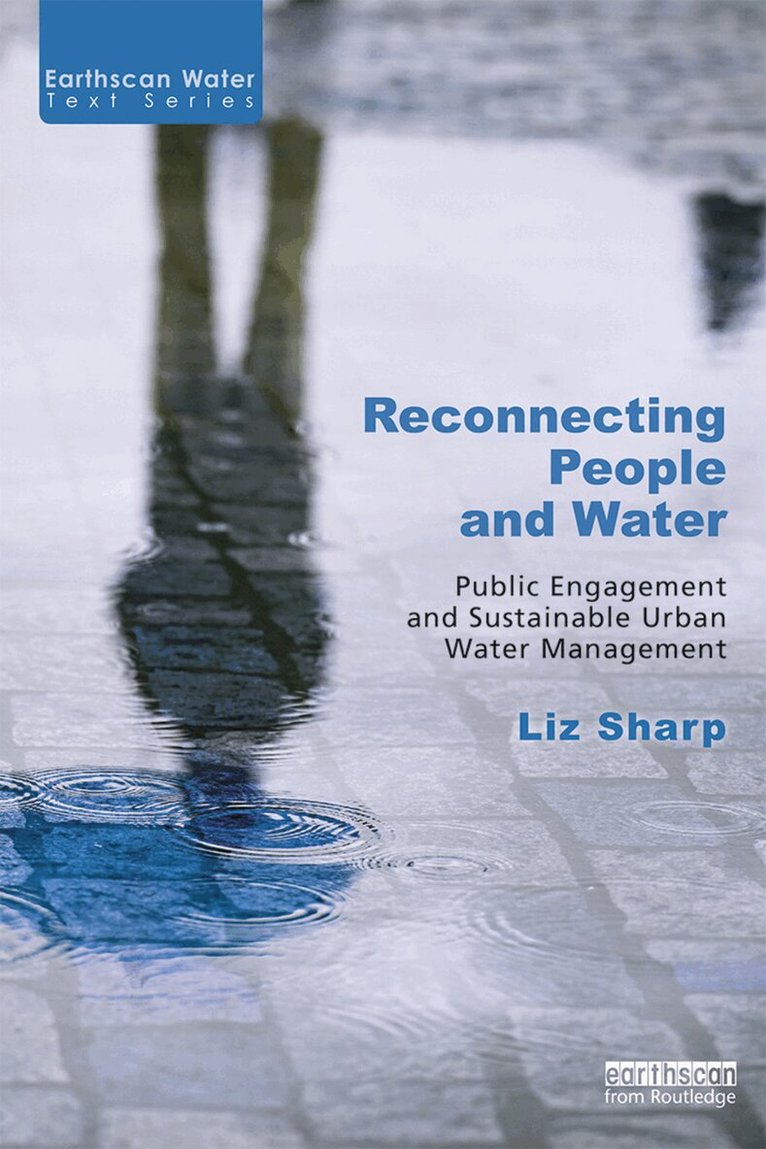
Water management in industrialised western countries has long been seen as a technical process associated with pipes, drains and bureaucracies. This technical model of water management is now being questioned. This book examines the nature of contemporary water management and the prospects for and barriers to different forms of engagement with the public.
In particular, it shows how historical and social scientific understandings develop and question current water management norms in relation to water in the landscape, water in the home and the hidden management of water beneath our streets and behind our walls. It is shown that the four-fold challenges of climate change, urbanisation, changing environmental standards and fiscal accountability mean that we can no longer rely on unseen technical fixes to erase the threats of pollution, water shortages and floods. Such concerns offer two prompts for public engagement and participation. First, on a purely instrumental level, public engagement can complement, or offer an obvious alternative to, technical fixes. Second, public engagement may provide a route to find new ways of addressing water and related challenges.
The author offers a unique social science perspective on many of the socio-technical issues facing the management of water in urban settings in developed countries, where urban is interpreted broadly to include all areas served by piped water. Drawing on historical context and an extensive review of the published literature, as well as the author''s own empirical studies, the work prompts broader discussions about how we manage water in contemporary society. It is invaluable for students and professionals in water resource management and planning.
1 022 kr
Läs direkt efter köp
Water management in industrialised western countries has long been seen as a technical process associated with pipes, drains and bureaucracies. This technical model of water management is now being questioned. This book examines the nature of contemporary water management and the prospects for and barriers to different forms of engagement with the public.
In particular, it shows how historical and social scientific understandings develop and question current water management norms in relation to water in the landscape, water in the home and the hidden management of water beneath our streets and behind our walls. It is shown that the four-fold challenges of climate change, urbanisation, changing environmental standards and fiscal accountability mean that we can no longer rely on unseen technical fixes to erase the threats of pollution, water shortages and floods. Such concerns offer two prompts for public engagement and participation. First, on a purely instrumental level, public engagement can complement, or offer an obvious alternative to, technical fixes. Second, public engagement may provide a route to find new ways of addressing water and related challenges.
The author offers a unique social science perspective on many of the socio-technical issues facing the management of water in urban settings in developed countries, where urban is interpreted broadly to include all areas served by piped water. Drawing on historical context and an extensive review of the published literature, as well as the author''s own empirical studies, the work prompts broader discussions about how we manage water in contemporary society. It is invaluable for students and professionals in water resource management and planning.
1 308 kr
Skickas inom 3-6 vardagar
Do the children in your class need help with language and listening skills?
Lots of ideas and suggestions for activities using and encouraging talk in the classroom make this book a lively, practical guide to encouraging young children to develop their verbal reasoning skills and to communicate more effectively.
There is advice on how to tie in these activities with the various curriculum subjects and the following are covered:
-setting up a talk corner
-using story bags and story boxes
-using Circle Time and playing games to encourage talk
In each activity there are directions for helping children with Special Educational Needs, working with Teaching Assistants (TAs) and other adults in the classroom, planning and assessing work and finding suitable resources.
A selection of photocopiable material is included and all the suggestions and ideas in the book have been tried and tested by the author in her own classroom. The focus of this book is on young children aged 5 to 8, but the activities can be adapted to suit those younger or older.
2 325 kr
Tillfälligt slut
Do the children in your class need help with language and listening skills?
Lots of ideas and suggestions for activities using and encouraging talk in the classroom make this book a lively, practical guide to encouraging young children to develop their verbal reasoning skills and to communicate more effectively.
There is advice on how to tie in these activities with the various curriculum subjects and the following are covered:
-setting up a talk corner
-using story bags and story boxes
-using Circle Time and playing games to encourage talk
In each activity there are directions for helping children with Special Educational Needs, working with Teaching Assistants (TAs) and other adults in the classroom, planning and assessing work and finding suitable resources.
A selection of photocopiable material is included and all the suggestions and ideas in the book have been tried and tested by the author in her own classroom. The focus of this book is on young children aged 5 to 8, but the activities can be adapted to suit those younger or older.