LJ Theo – författare
Visar alla böcker från författaren LJ Theo. Handla med fri frakt och snabb leverans.
4 produkter
4 produkter
Inbunden, Engelska, 2026
1 395 kr
Kommande
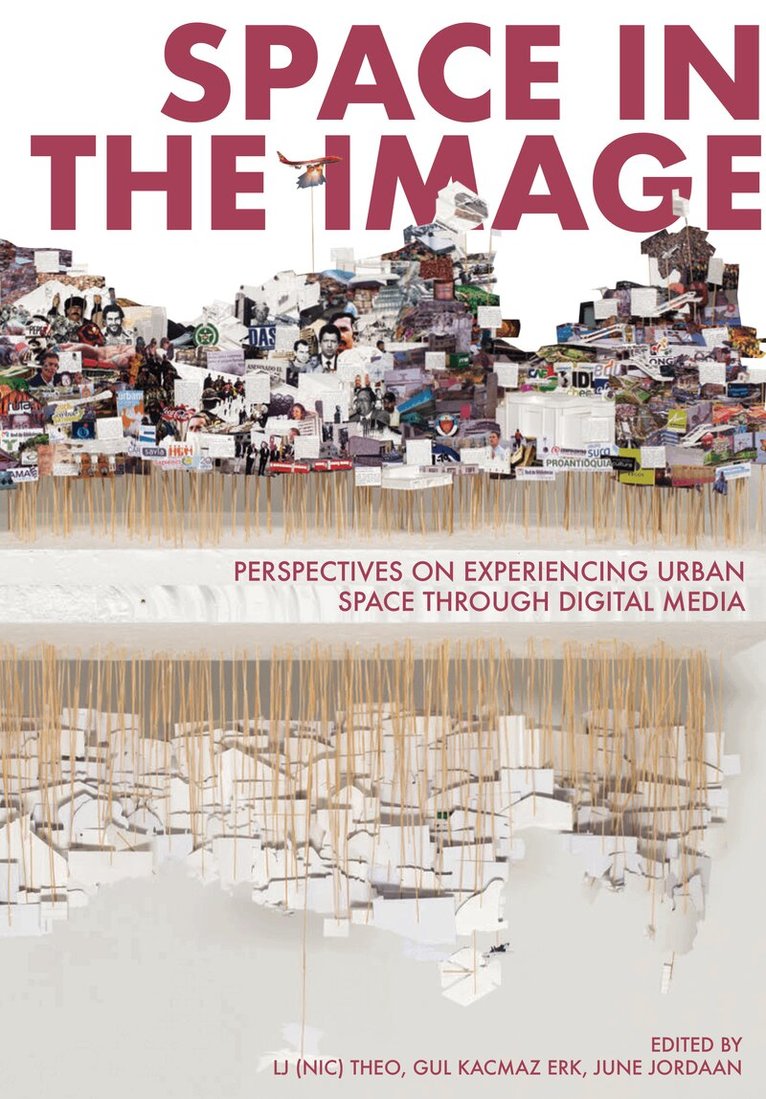
An exciting new interdisciplinary and intercontinental volume that brings together scholars and practitioners working at the intersection of architecture, urbanism, and digital media.Space in the Image focuses on cinematic and photographic portrayals of the built environment, from individual buildings to entire cities. It addresses a timely and relevant topic, reflecting the prominence of urbanization and the widespread use of digital audiovisual media in architecture, planning, and design. The work engages with both contemporary practice and current debates in the field.In light of the growing ubiquity of media platforms and the immediacy of digital representation, the contributors critically examine the evolving relationship between spatial experience and its mediated forms. These inquiries are situated within the broader context of accelerating urbanization, making the book timely for architects, urban designers, planners, and media theorists alike. Rather than treating images as static records of the past, the volume interrogates their role as active participants in shaping contemporary urban life, identity, and memory. Space in the Image offers a compelling reflection on the dynamic interplay between experience and representation at the close of the first quarter of the twenty-first century.
Inbunden, Engelska, 2017
549 kr
Skickas inom 10-15 vardagar
This book approaches the construction of complex and transgressive ‘pervert’ characters in mainstream (not ‘art’), adult-oriented (not pornographic) cinema. It deconstructs an episteme on which to base the construction of characters in screenplays, in a way that acknowledges how semiotic elements of characterisation intersect. In addition, it provides an extended re-phrasing of the notion of ‘the pervert’ as Feiticiero/a: a newly-coined construct that might serve as an underpinning for complex, sexual filmic characters that are both entertaining and challenging to audiences. This re-phrasing speaks to both an existential/phenomenological conception of personhood and to the scholarly tradition of the ‘linguistic turn’ of continental philosophers such as Foucault and Lacan, who represent language not primarily as describing the world but as constructing it. The result is an original and interdisciplinary volume that is brought to coherence through a queer, post-humanist lens.
E-bok
Engelska, 2017687 kr
Läs direkt efter köp
This book approaches the construction of complex and transgressive ‘pervert’ characters in mainstream (not ‘art’), adult-oriented (not pornographic) cinema. It deconstructs an episteme on which to base the construction of characters in screenplays, in a way that acknowledges how semiotic elements of characterisation intersect. In addition, it provides an extended re-phrasing of the notion of ‘the pervert’ as Feiticiero/a: a newly-coined construct that might serve as an underpinning for complex, sexual filmic characters that are both entertaining and challenging to audiences. This re-phrasing speaks to both an existential/phenomenological conception of personhood and to the scholarly tradition of the ‘linguistic turn’ of continental philosophers such as Foucault and Lacan, who represent language not primarily as describing the world but as constructing it. The result is an original and interdisciplinary volume that is brought to coherence through a queer, post-humanist lens.
Häftad, Engelska, 2018
549 kr
Skickas inom 10-15 vardagar
This book approaches the construction of complex and transgressive ‘pervert’ characters in mainstream (not ‘art’), adult-oriented (not pornographic) cinema. It deconstructs an episteme on which to base the construction of characters in screenplays, in a way that acknowledges how semiotic elements of characterisation intersect. In addition, it provides an extended re-phrasing of the notion of ‘the pervert’ as Feiticiero/a: a newly-coined construct that might serve as an underpinning for complex, sexual filmic characters that are both entertaining and challenging to audiences. This re-phrasing speaks to both an existential/phenomenological conception of personhood and to the scholarly tradition of the ‘linguistic turn’ of continental philosophers such as Foucault and Lacan, who represent language not primarily as describing the world but as constructing it. The result is an original and interdisciplinary volume that is brought to coherence through a queer, post-humanist lens.